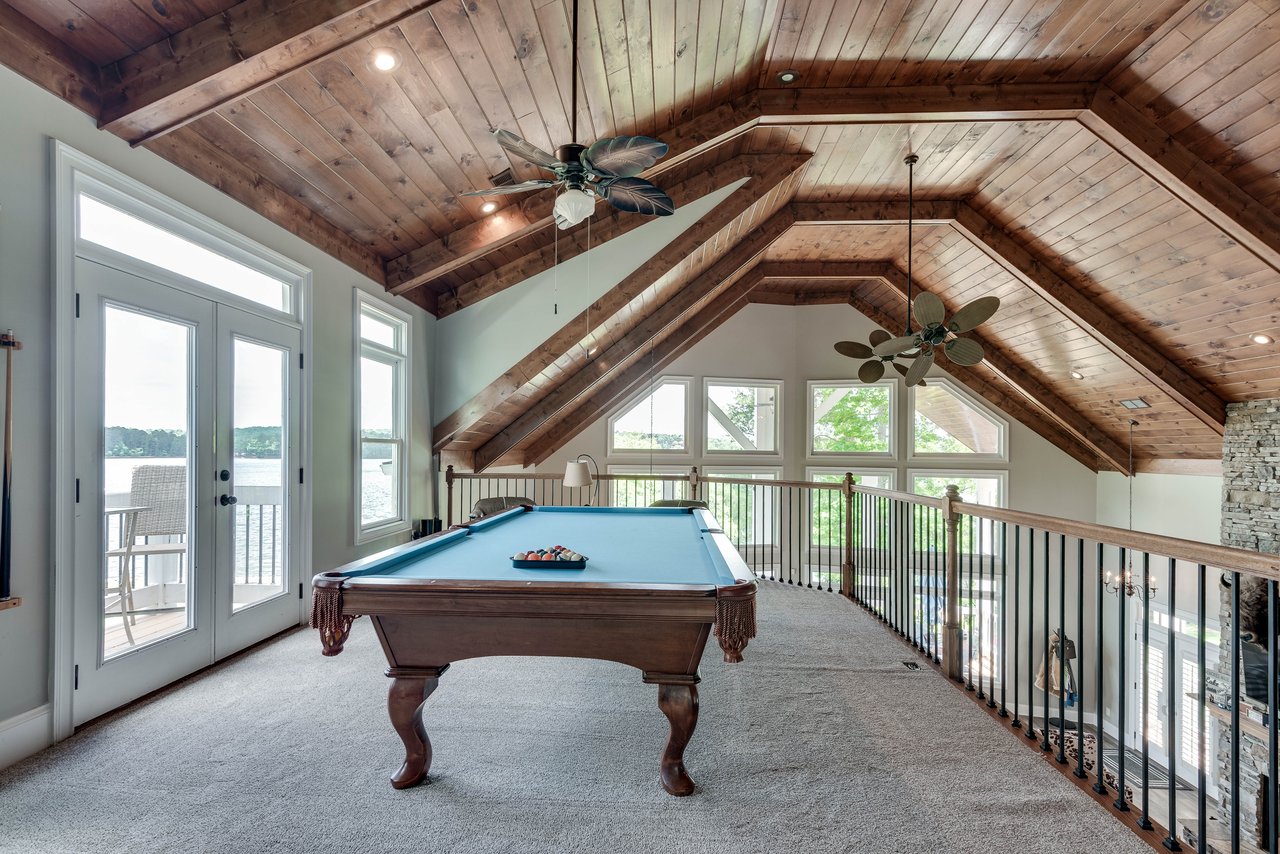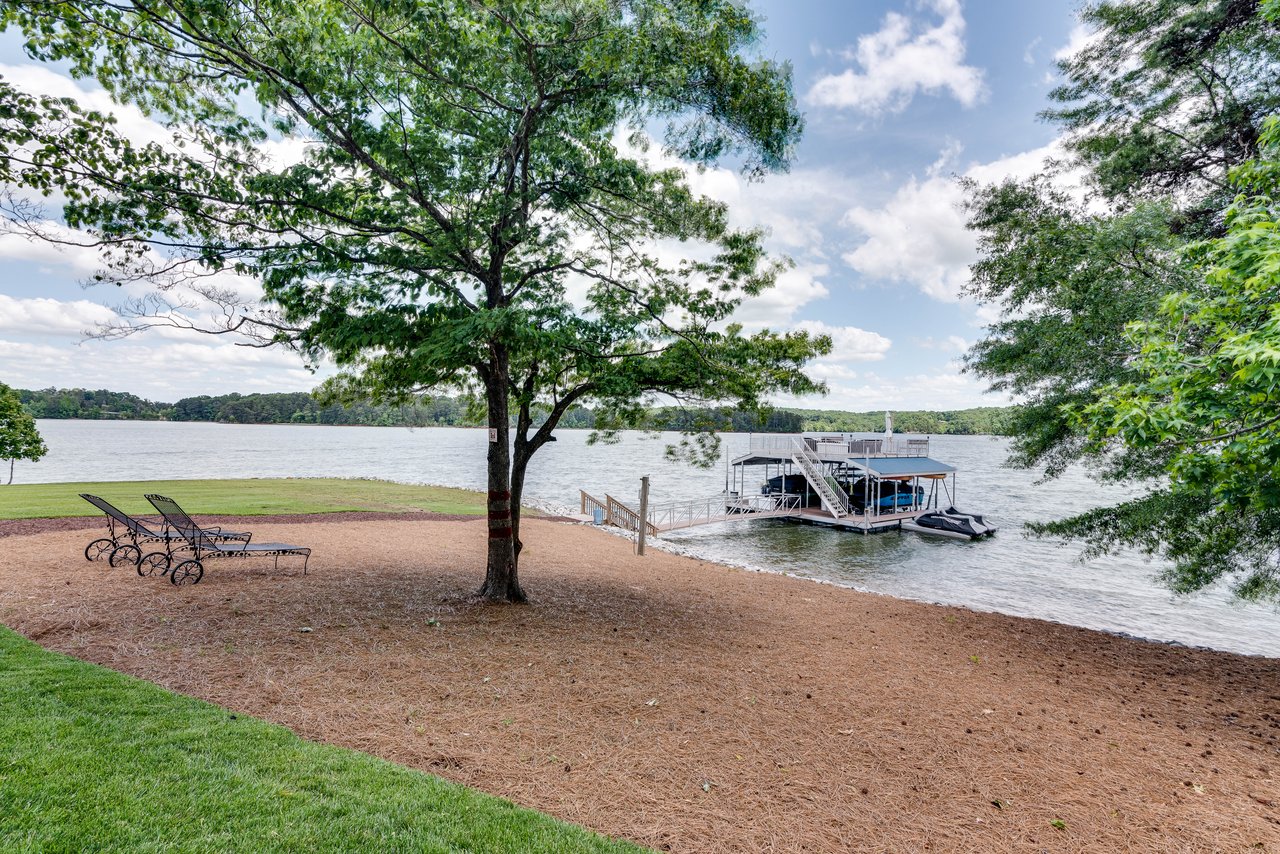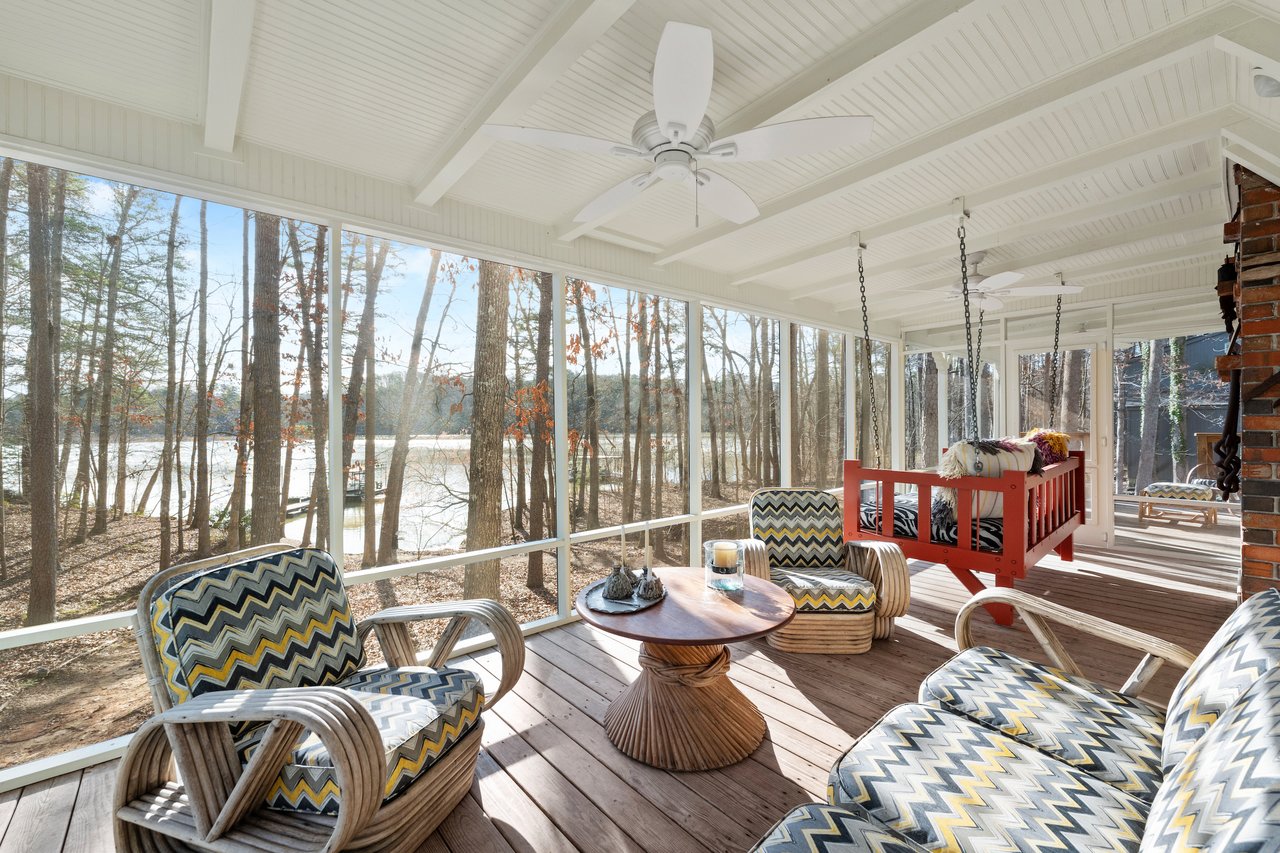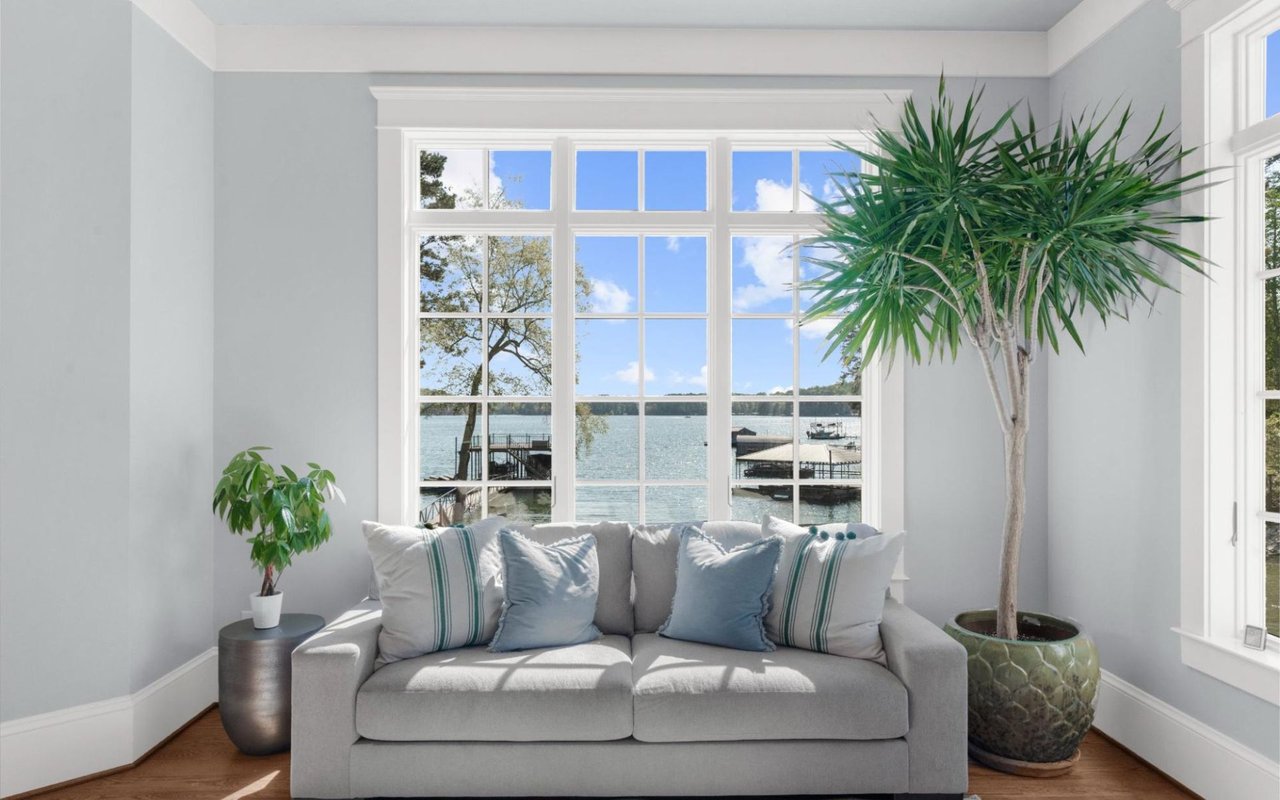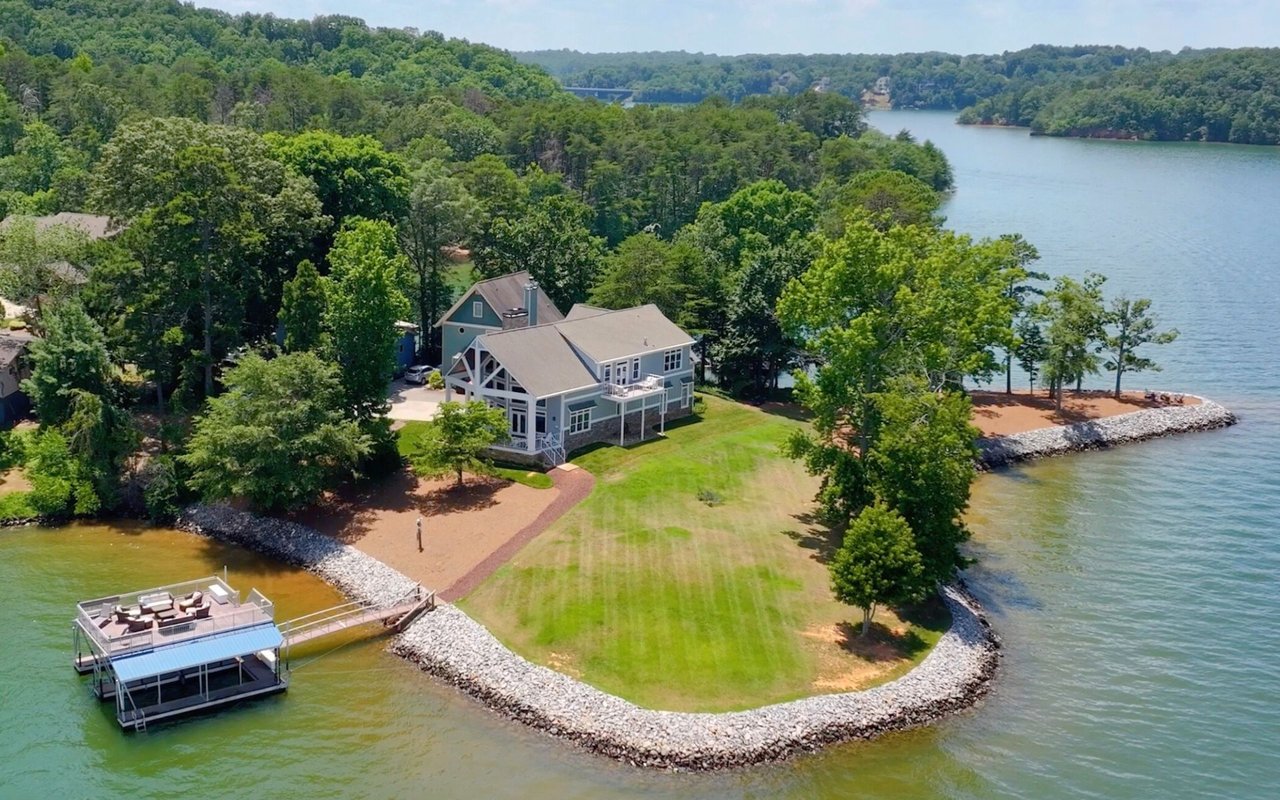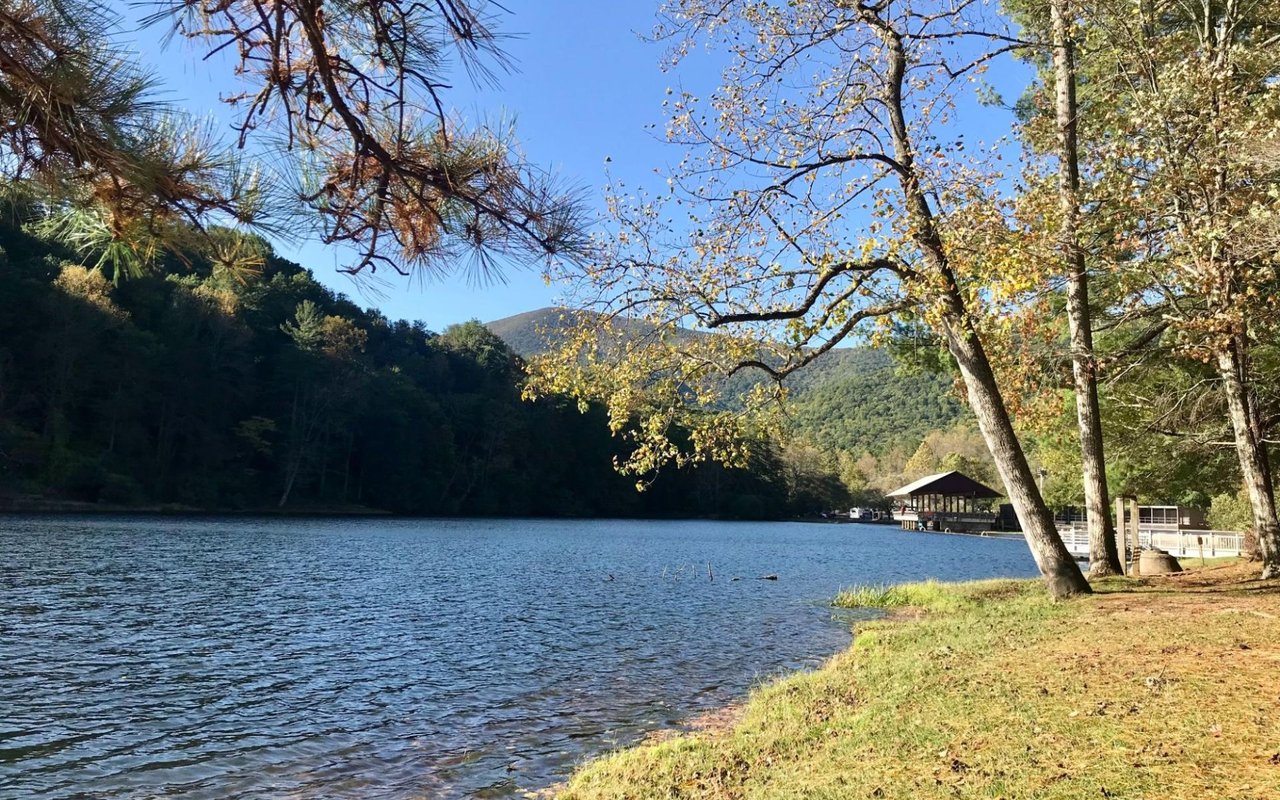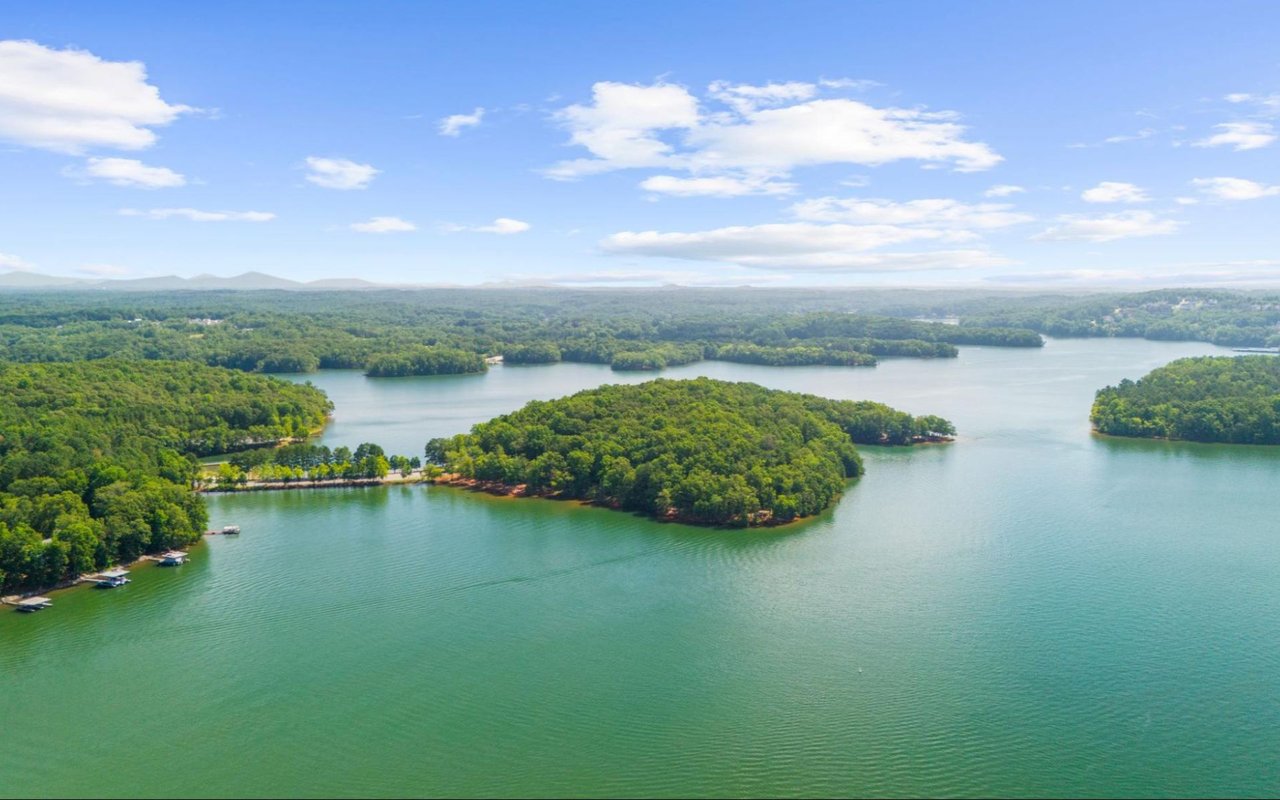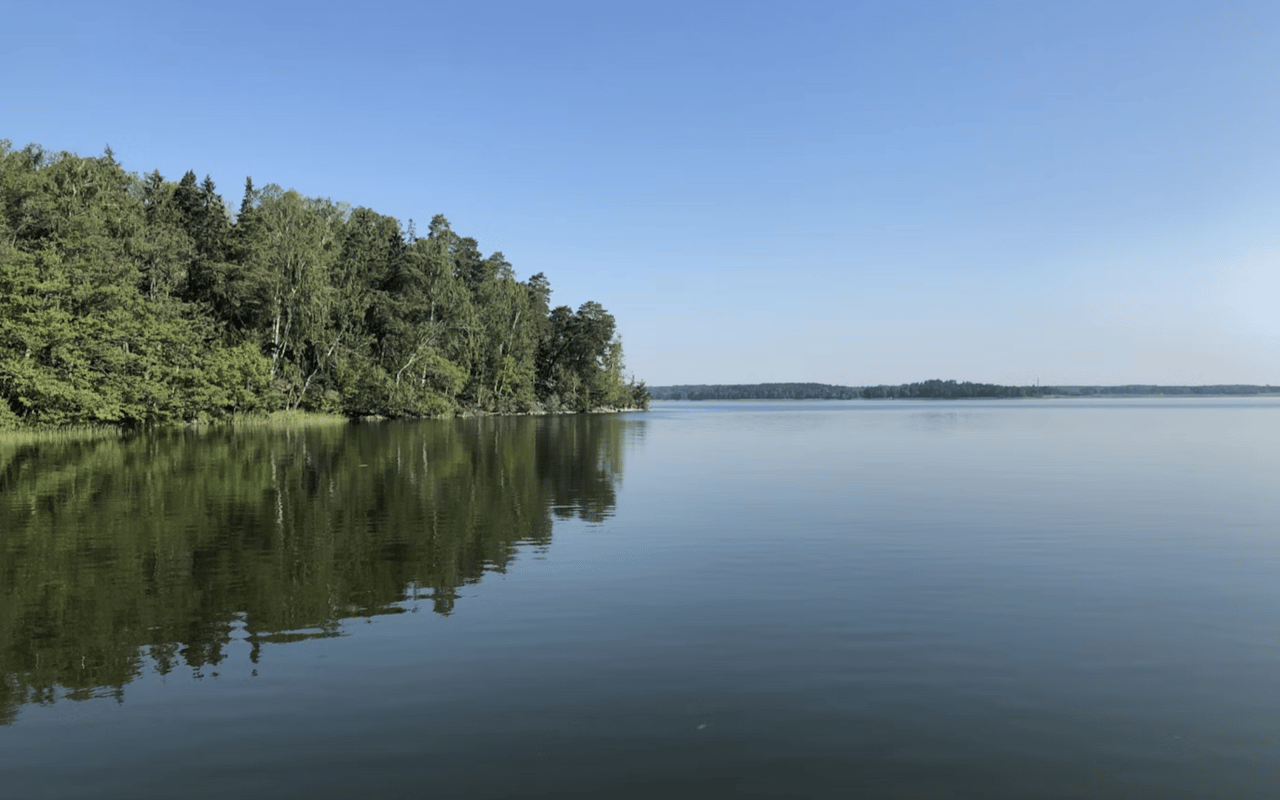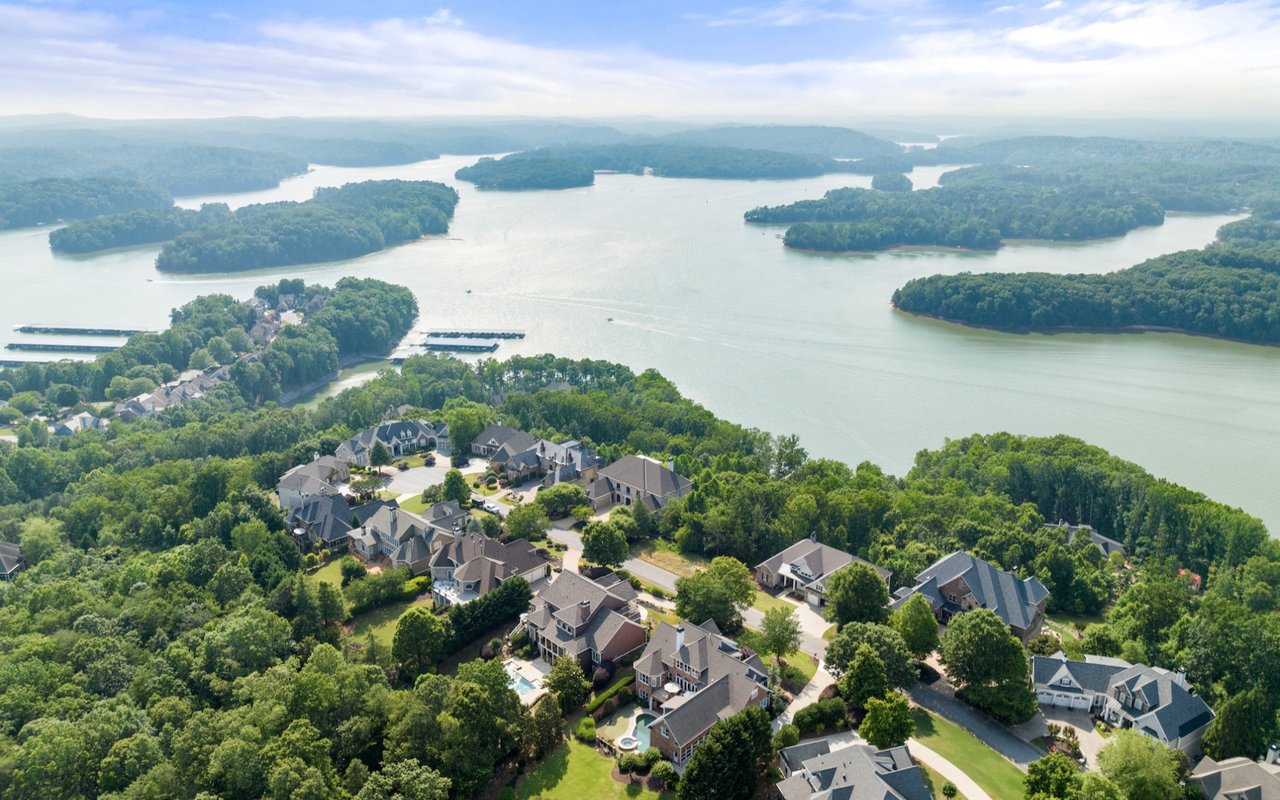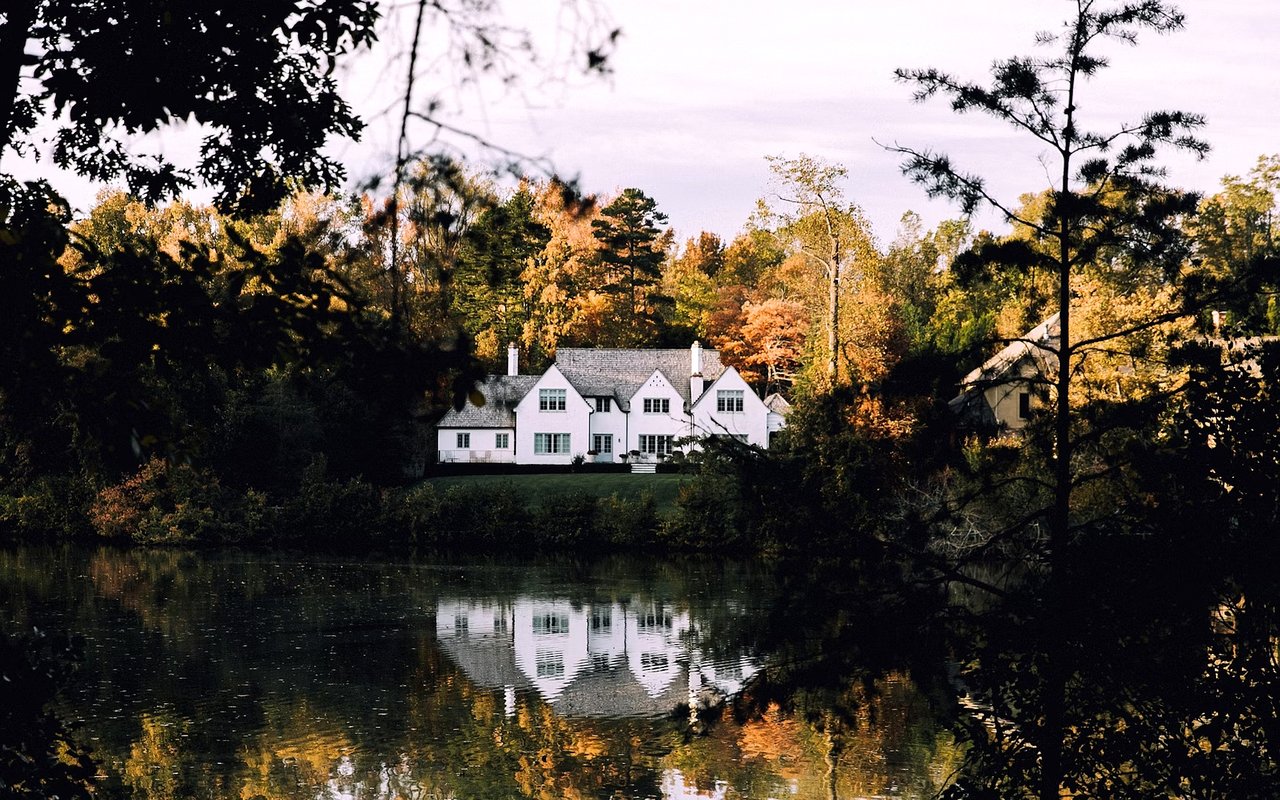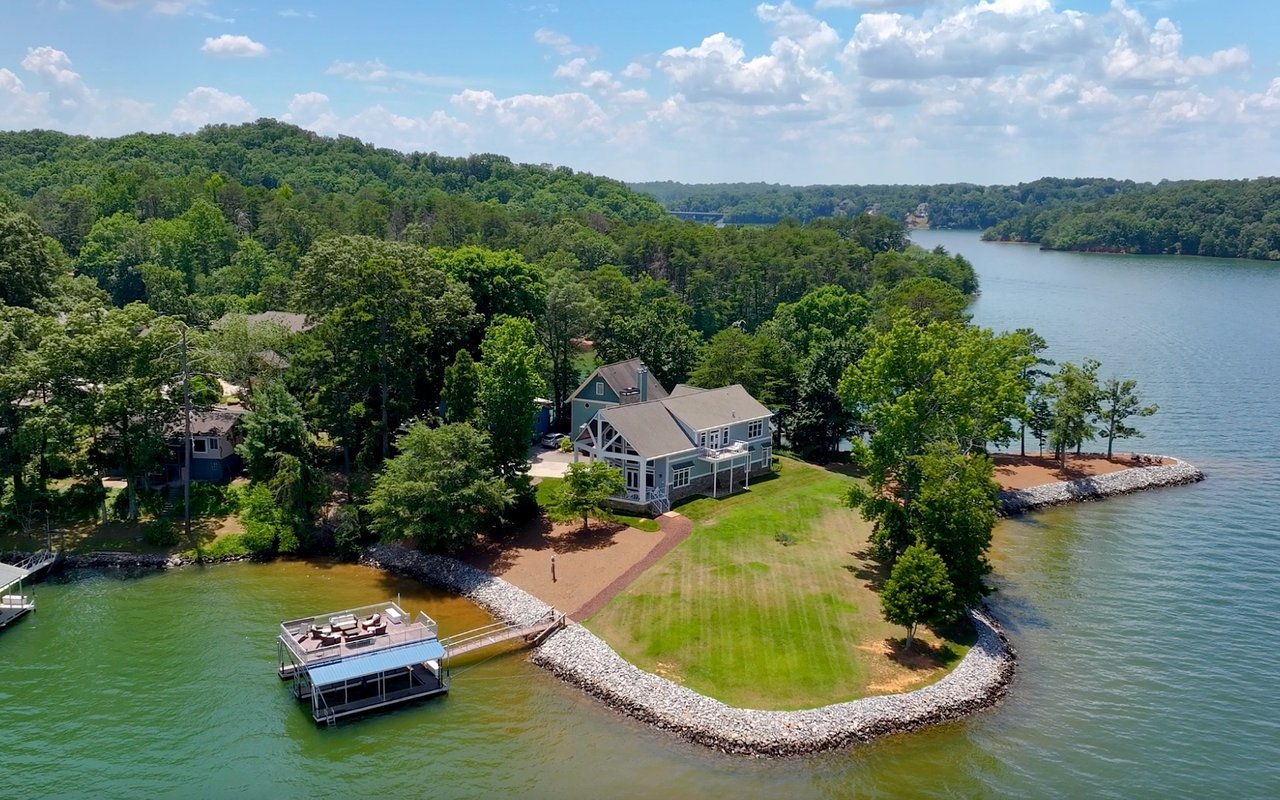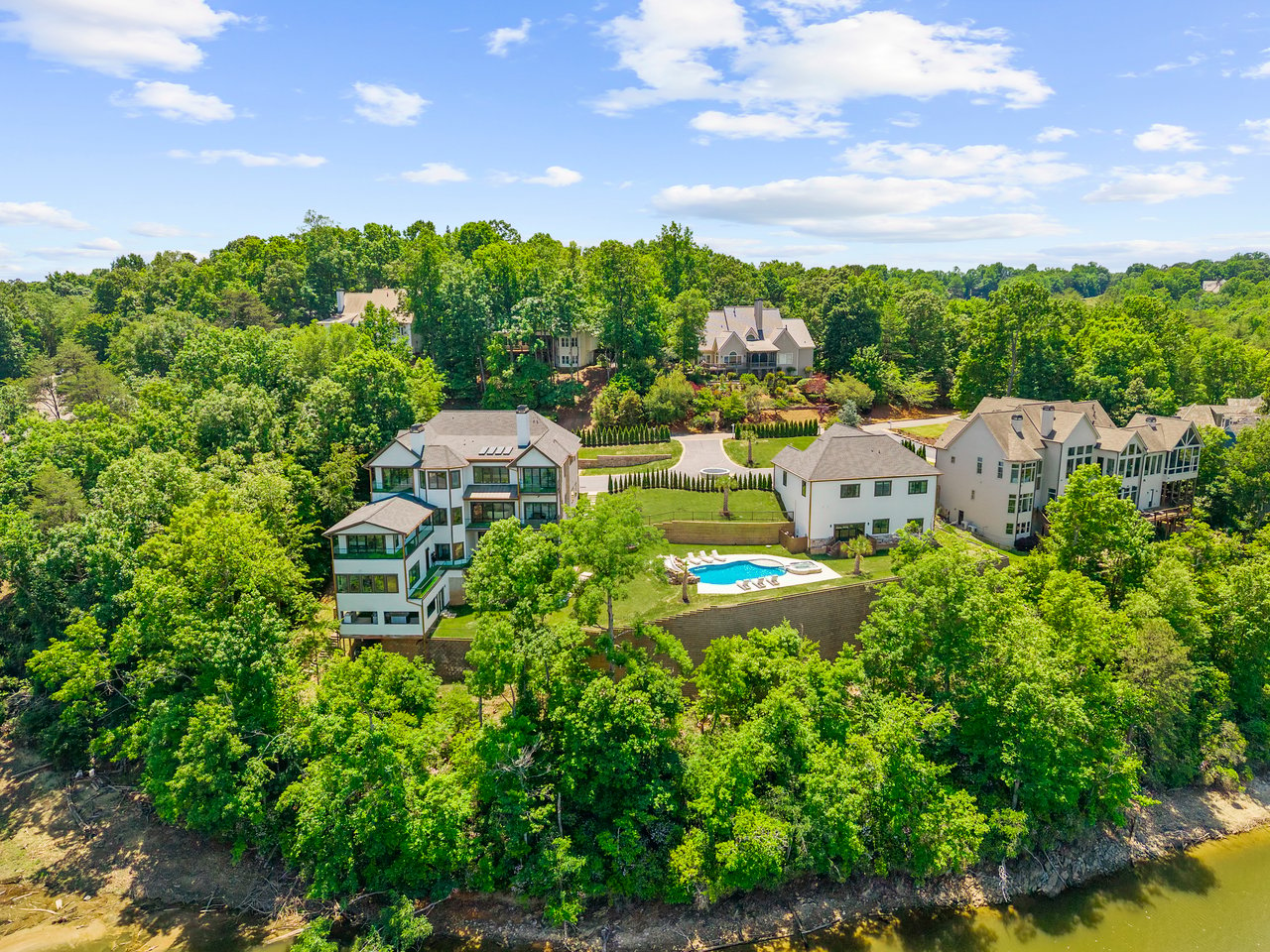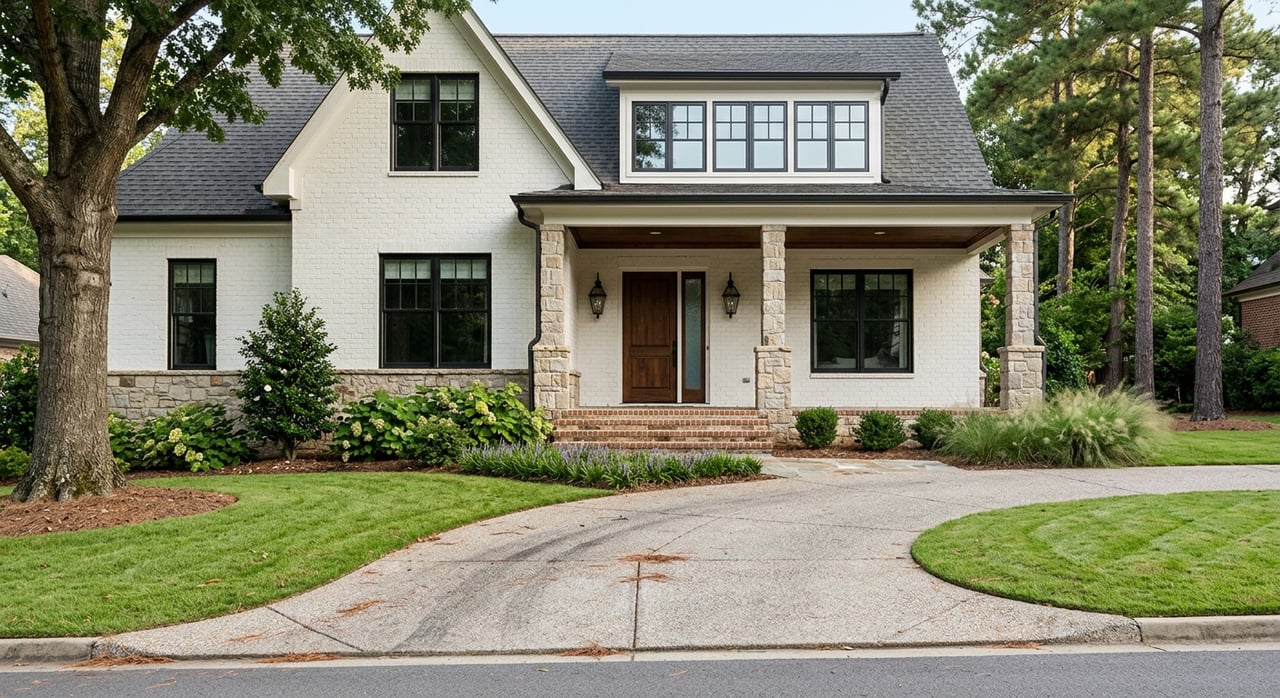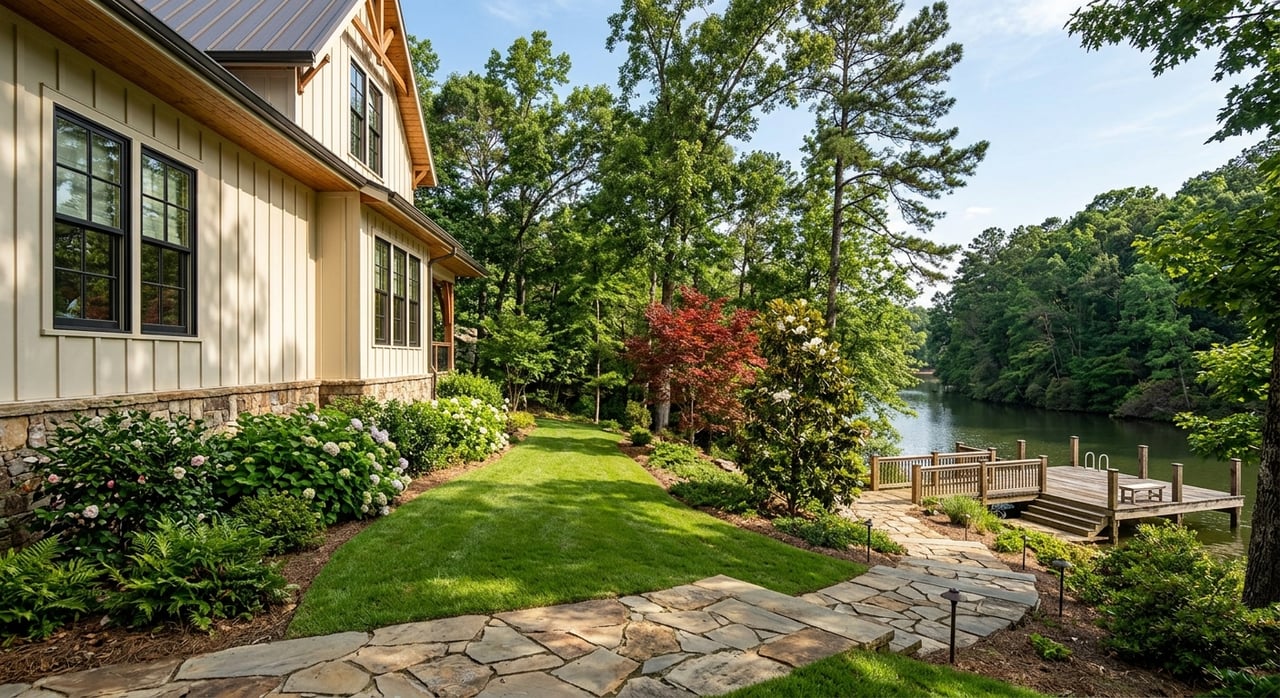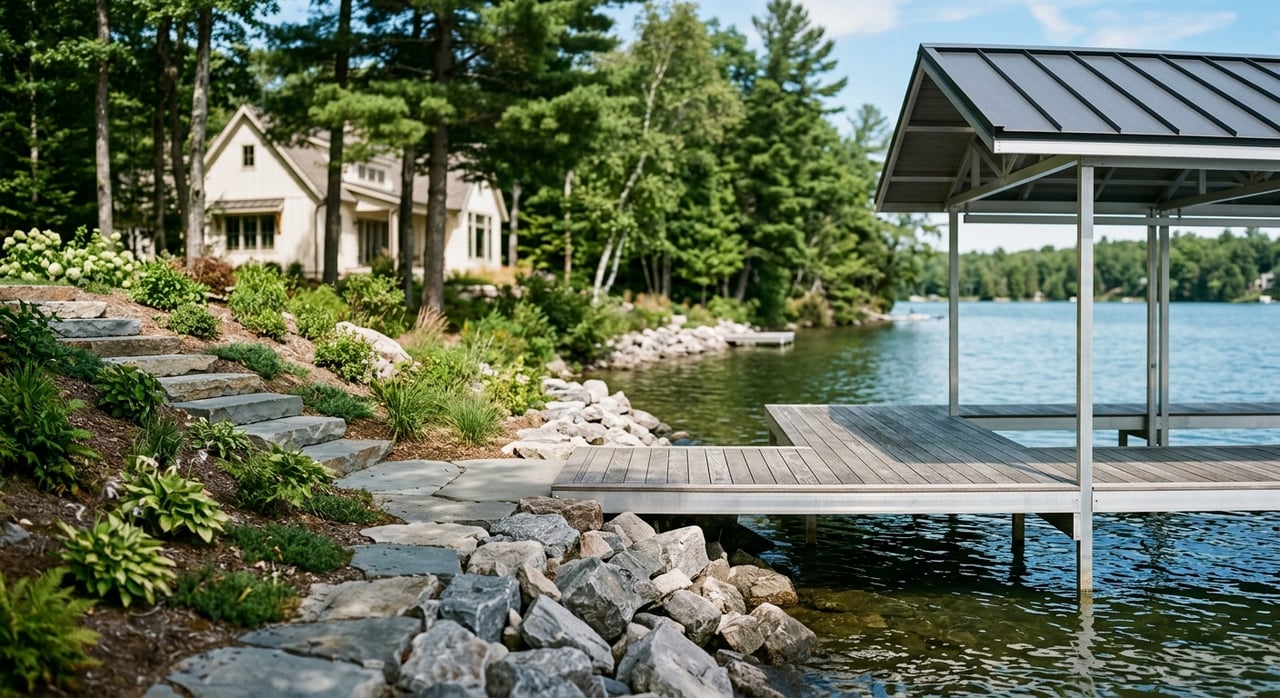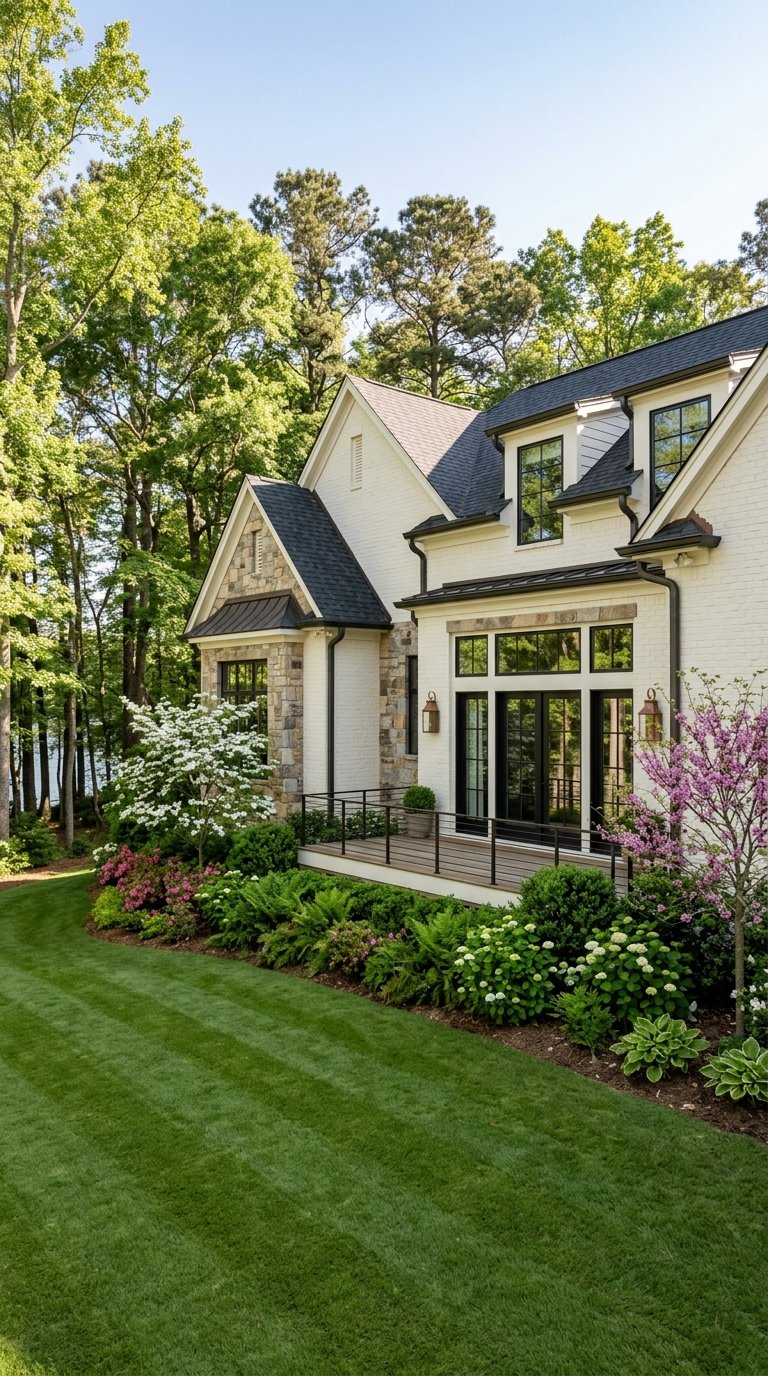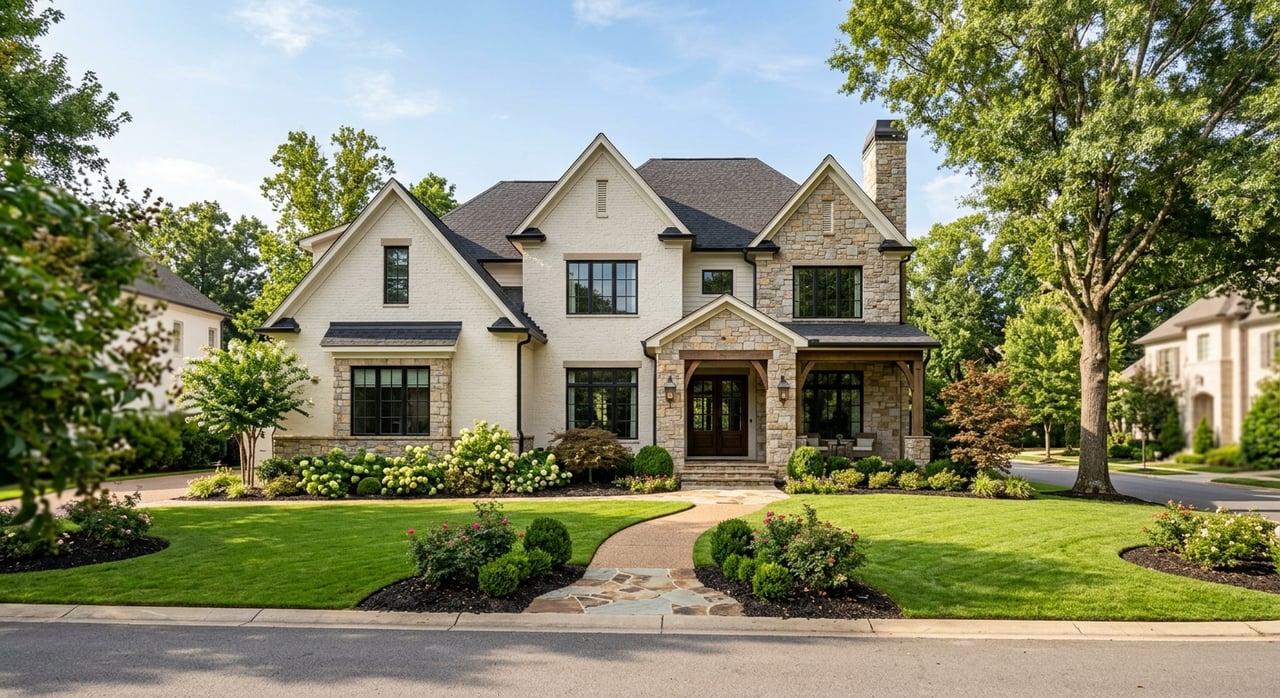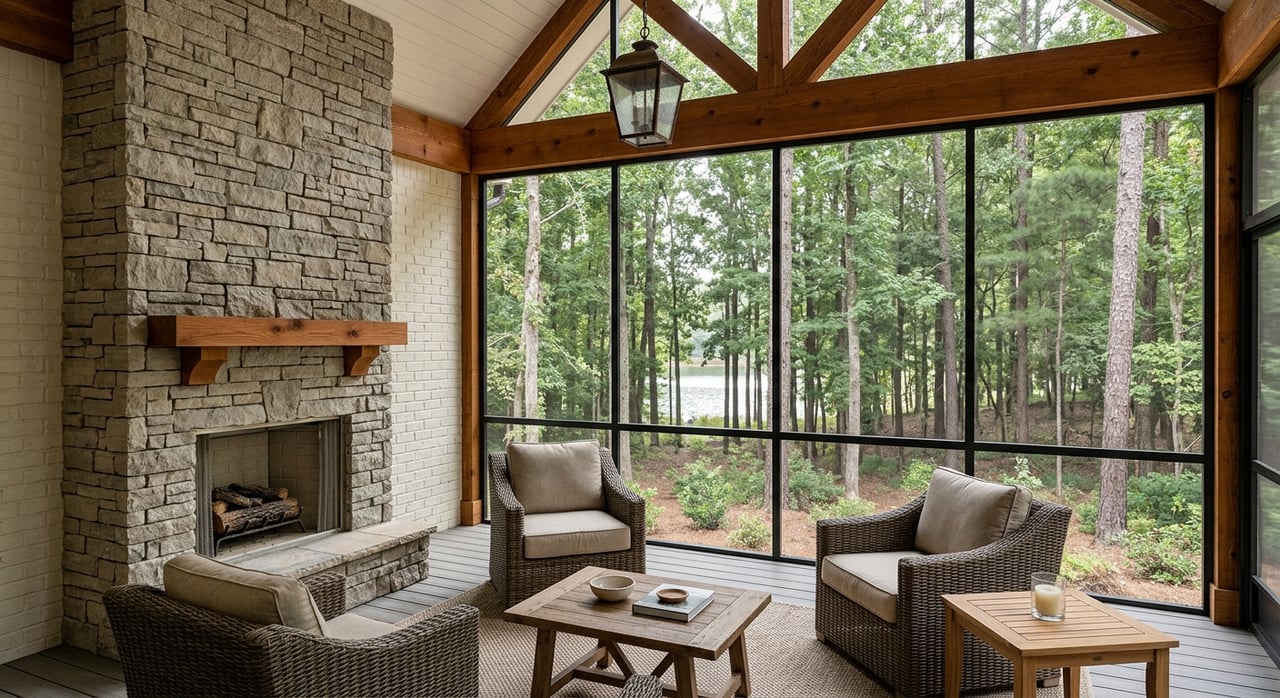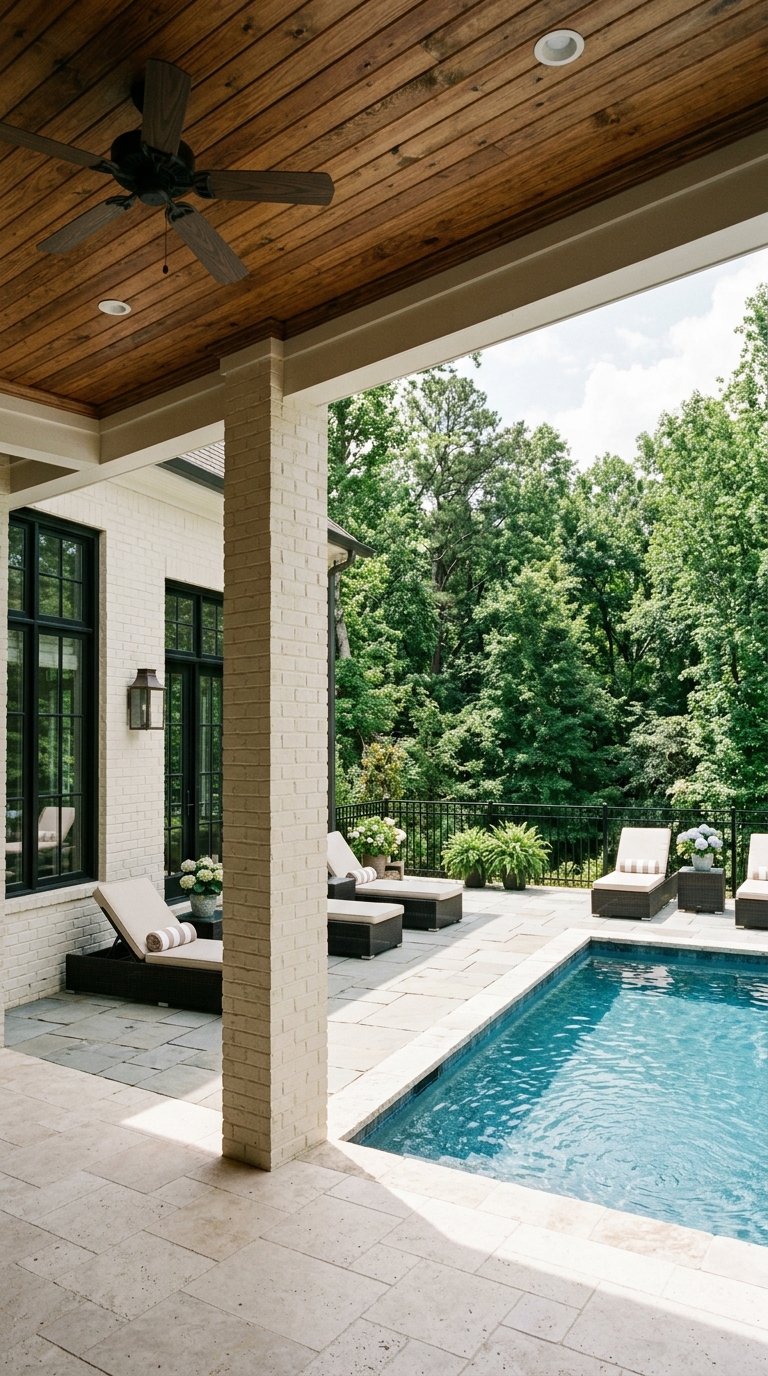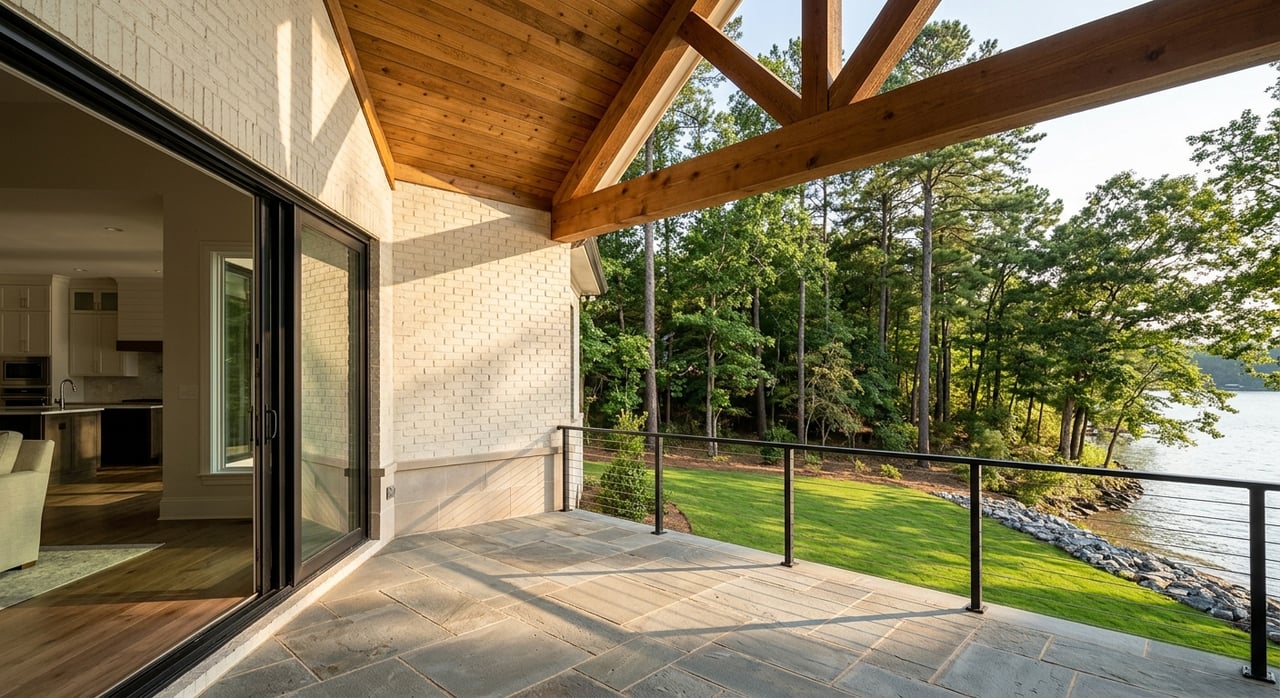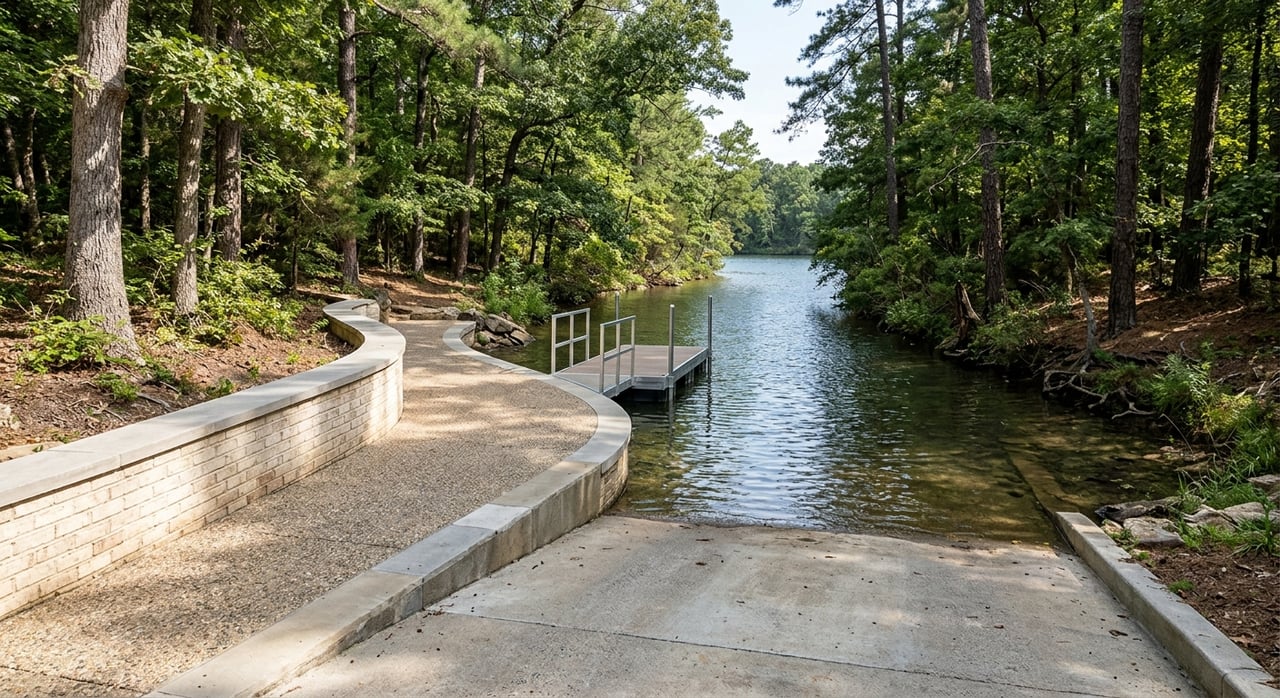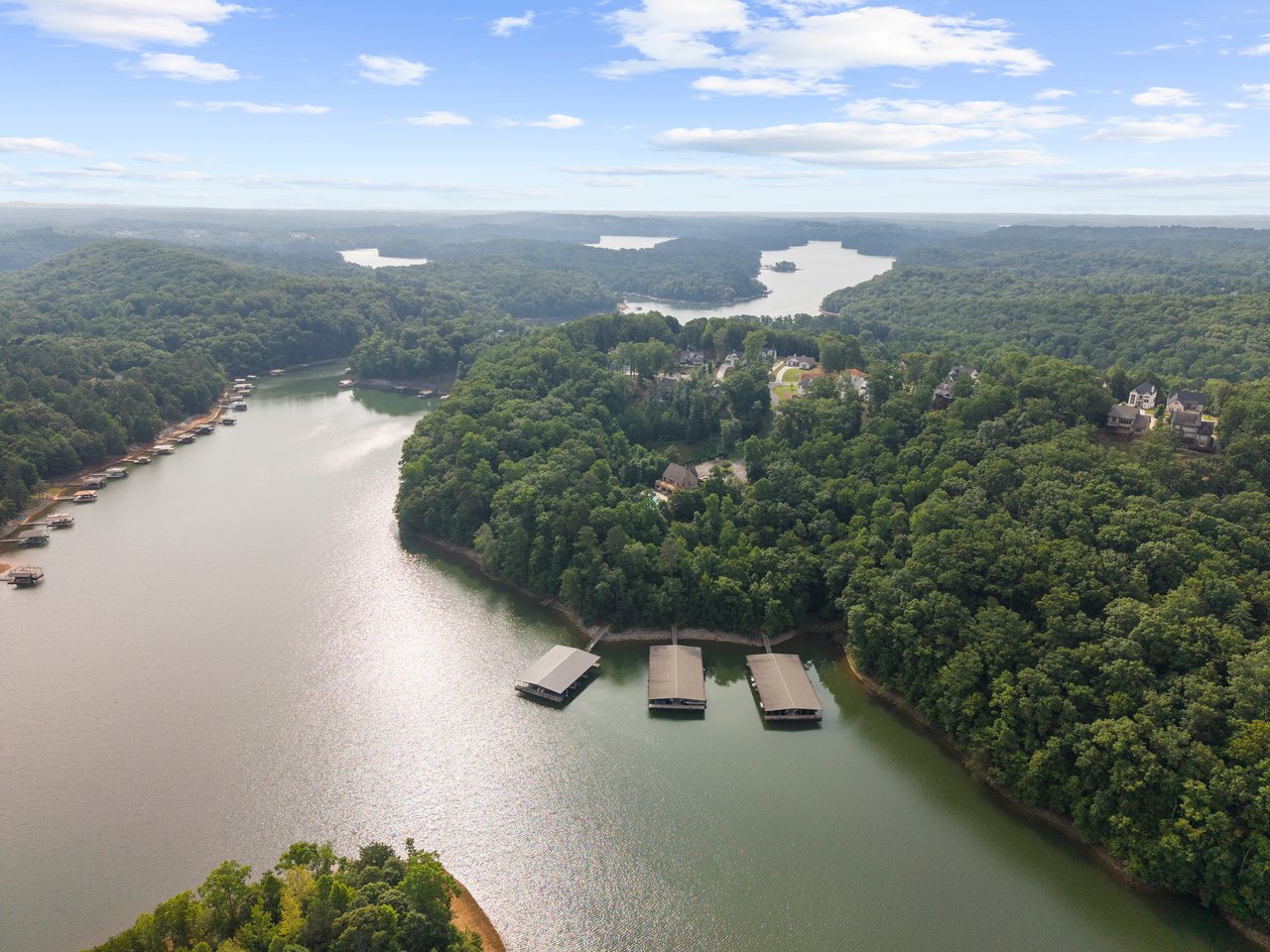

Lakefront living on Lake Lanier offers strong property equity, private dock access, and year-round boating recreation across 692 miles of North Georgia shoreline. However, buyers must weigh these pros against strict U.S. Army Corps of Engineers (USACE) dock maintenance rules, higher county property taxes, and fluctuating seasonal water levels beneath the 1,071-foot full-pool contour.
If you are weighing the pros and cons of purchasing a deep-water estate in Flowery Branch, a golf-and-lake home in Chestatee, or a seasonal cove property in Dawsonville, verifying USACE dock permits prevents costly post-closing surprises. You can browse Lake Lanier homes for sale or consult the Living on Lake Lanier advisory team for specialized buyer guidance.
Lake Lanier Factor | Buyer Pros vs. Cons Analysis |
|---|---|
Property Value & Equity | Pro: Limited USACE shoreline inventory drives resilient long-term appreciation and high resale demand. |
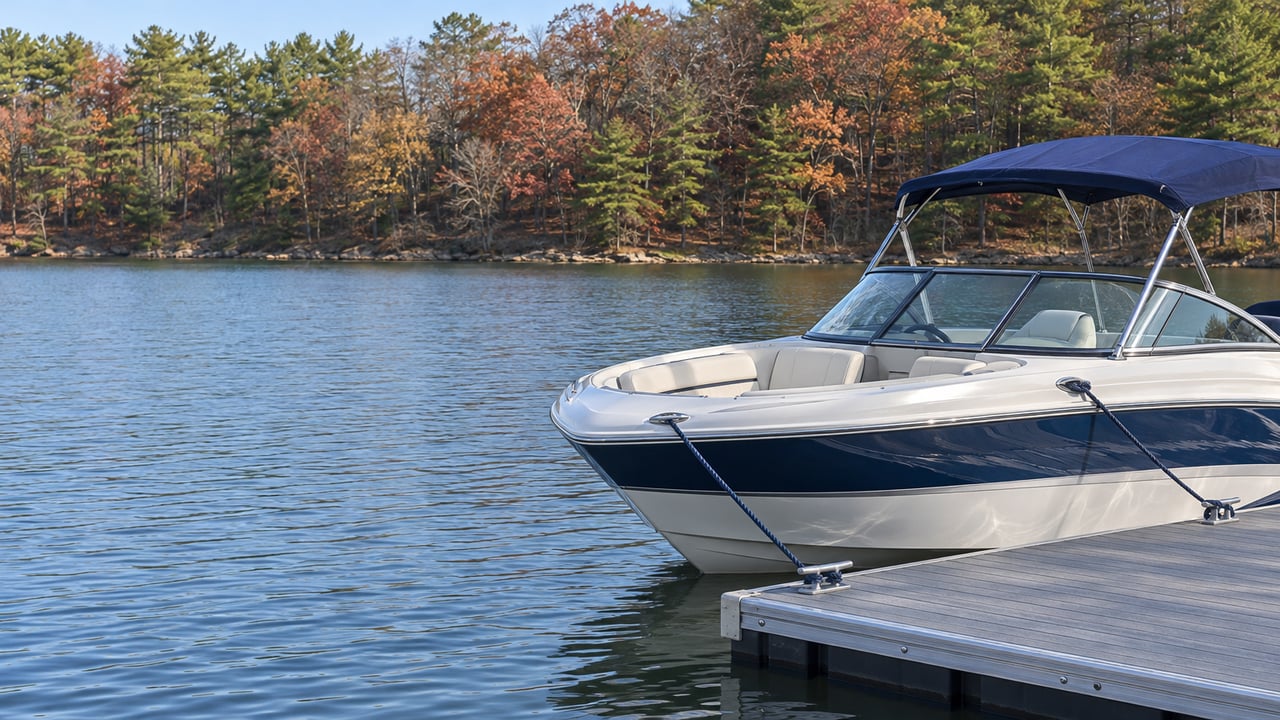
Private Docks & Shoreline | Pro: Immediate access to 38,000 acres of water for boating, fishing, and paddleboarding. |
Water Levels & Cove Depth | Pro: Deep-water lots provide year-round boat access regardless of rainfall. |
Community & Lifestyle | Pro: Active, tight-knit lake culture with boat-up dining, marinas, and holiday fireworks. |
Maintenance & Upkeep | Pro: Turnkey modern lake homes require minimal specialized structural care. |
Sources: U.S. Army Corps of Engineers (USACE) Shoreline Management Plan, and Georgia MLS historic valuation data.
The Pros: Strong Equity, Year-Round Recreation, and Lifestyle
Purchasing lakefront property on Lake Lanier represents one of North Georgia's most resilient real estate investments. Because the U.S. Army Corps of Engineers strictly controls the 692 miles of shoreline and limits the total number of residential dock permits, supply is permanently capped. This scarcity ensures that deep-water properties in highly desirable corridors like Flowery Branch, Cumming, and Chestatee Golf Club consistently appreciate in value and command premium resale demand.
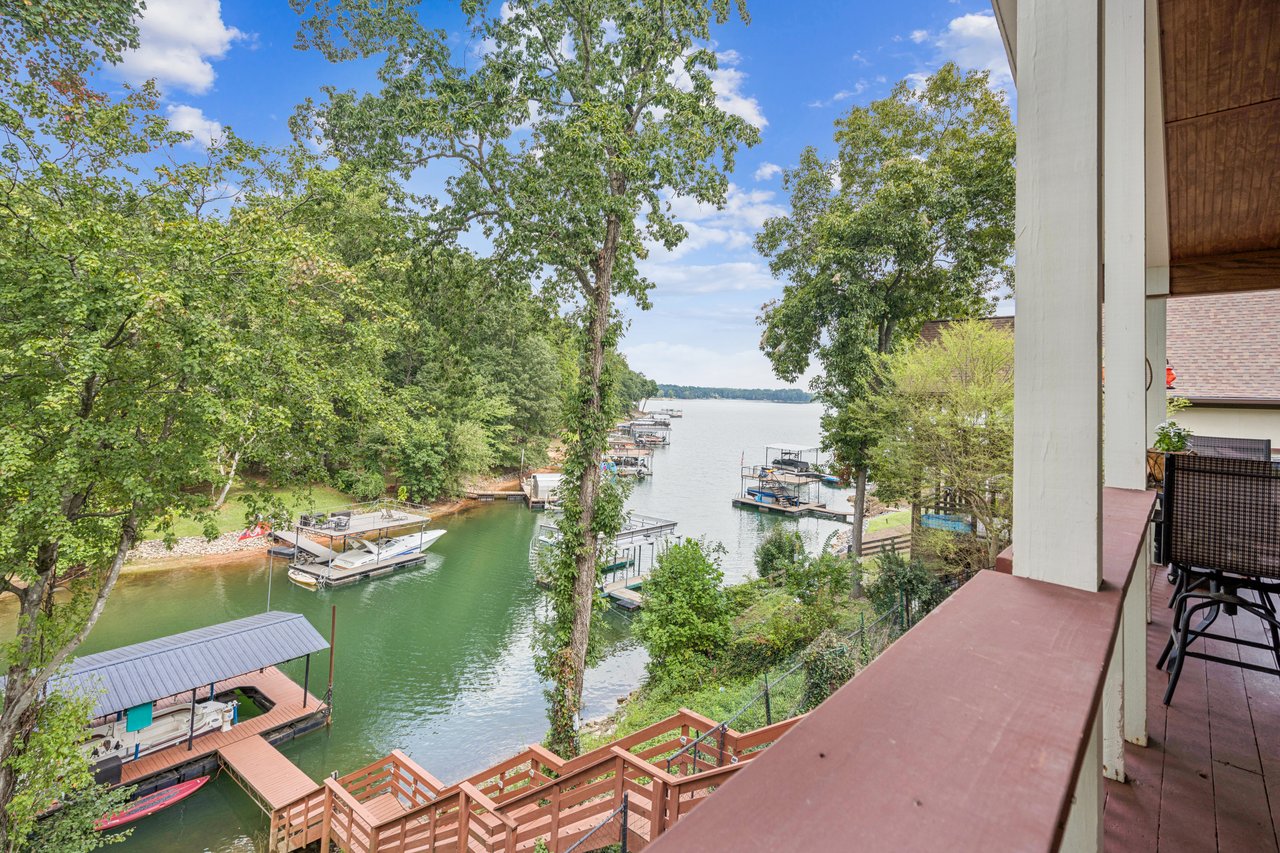
Beyond financial equity, lakefront living delivers a lifestyle upgrade that inland subdivisions cannot match. Owners enjoy immediate, private access to 38,000 acres of water for wakeboarding, sailing, and bass fishing. With a mild four-season climate, residents can boat to waterfront restaurants like Pelican Pete's or Skogies year-round, host lakeside family gatherings, and enjoy unparalleled sunset views over the Blue Ridge foothills. Explore more daily lifestyle benefits in our complete guide to living on Lake Lanier and our guide on why buyers are moving to the lake full-time.
The Cons: USACE Regulations, Dock Maintenance, and Fluctuating Water Levels
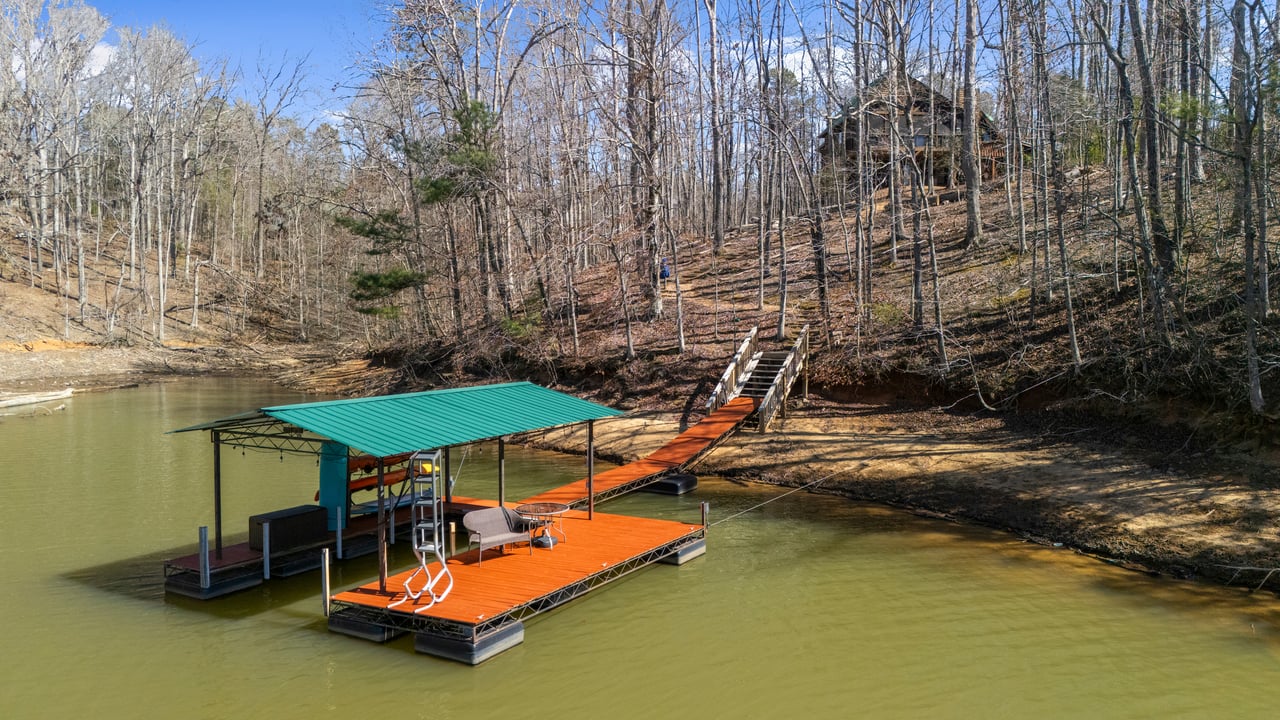
The realities of lakefront ownership require specialized due diligence. Every inch of Lake Lanier's shoreline below the 1,071-foot full-pool contour is federal property managed by the USACE. Buyers do not own the water or the shoreline; they hold a permit to place a dock on federal property. This means owners must adhere to strict Shoreline Management Plan rules prohibiting the removal of trees or underbrush within the buffer zone and mandating regular dock maintenance, float replacement, and cable adjustments ("chasing water") as lake levels rise and fall.
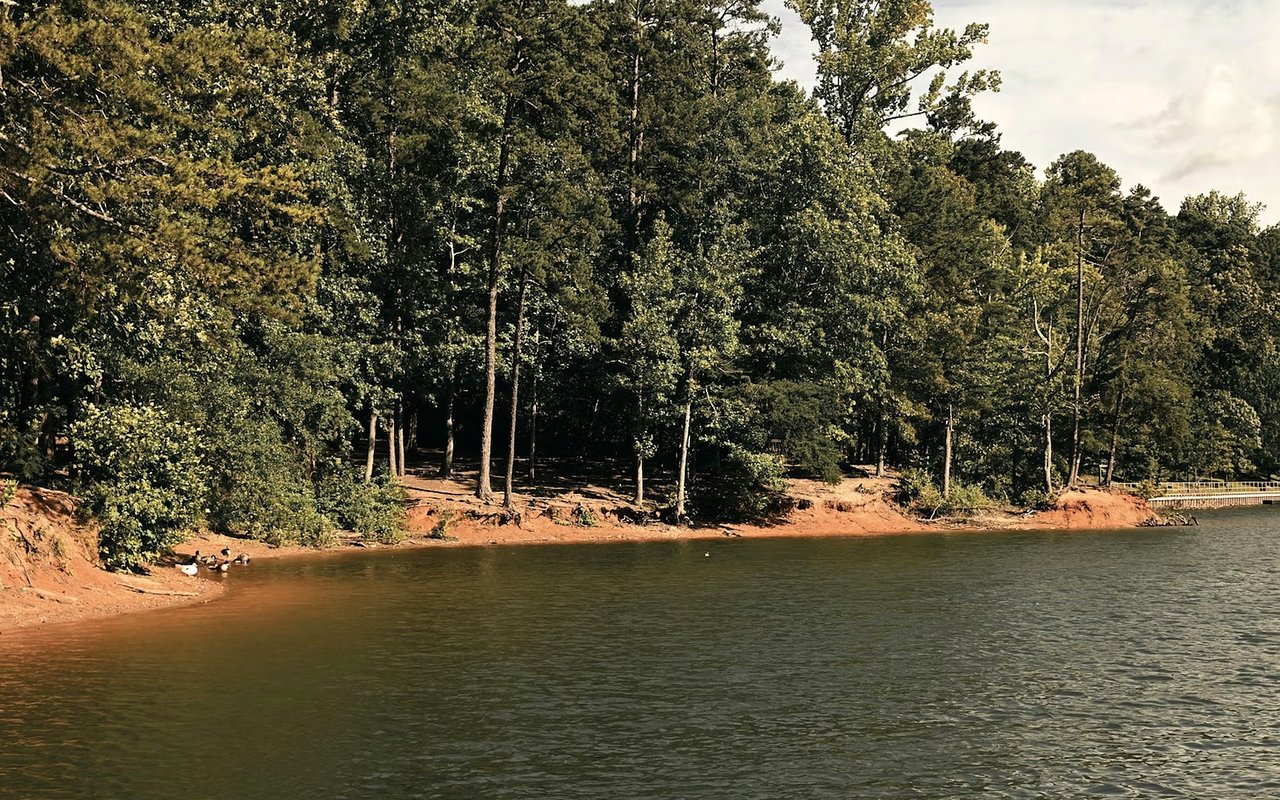
Water depth is a critical variable. While deep-water lots maintain navigability year-round, homes situated in shallow seasonal coves may see their docks resting on dry mud during winter drawdowns or drought years. Additionally, the premium paid for water frontage translates into higher annual property tax assessments across Hall, Forsyth, and Dawson counties. Understand these regulatory trade-offs in our complete guide to buying lakefront property, our lakefront pricing guide, and our Lake Lanier dock ownership FAQs.
Choosing Between Single-Family Estates, Condos, and Lake-Access Communities
Not every buyer wants the maintenance responsibilities of a private dock. Lake Lanier offers diverse housing options to match varying lifestyles and budgets:
- Single-Family Deep-Water Estates: Offer maximum privacy and immediate private dock access, requiring hands-on USACE permit compliance and dock maintenance
- Lake-Access and Golf Communities: Neighborhoods like Chestatee or Marina Bay provide community marinas, boat slips, and clubhouse amenities, delivering the lake lifestyle without individual dock maintenance liability
- Lakefront Condominiums and Townhomes: Provide lock-and-leave convenience, shared community docks, and exterior HOA maintenance for seasonal vacation-home buyers
Whether you prioritize deep-water access or low-maintenance community amenities, our Lake Lanier lakefront homes directory and master neighborhood guide can help you narrow your search.
- USACE Full-Pool Contour: Lake Lanier is considered "full" at 1,071 feet above Mean Sea Level (MSL); the USACE manages all land below this line
- Dock Permit Transfers: A USACE Shoreline Use Permit does not automatically transfer at closing; the buyer must file a Change of Ownership application and pay the required administrative fee within 14 days of closing
- Maintenance Costs: Budget for periodic dock float replacement, cable adjustments, and steep-slope landscaping care
- Property Taxes: Lakefront homes typically carry higher assessed valuations; compare millage rates across Forsyth, Hall, Dawson, and Gwinnett counties
Sources: U.S. Army Corps of Engineers (USACE) Shoreline Management Plan, and Georgia Department of Natural Resources (DNR) boating regulations.
Related Lake Lanier Real Estate and Buyer Guides
- Dawsonville GA Real Estate & Lake Lanier Community Guide
- Real Estate Q&A: What Buyers Are Asking About Lake Lanier
- What Buyers Need to Know About HOA Rules on Lake Lanier
- Pricing of Lakefront Homes on Lake Lanier: Deep-Water Valuation
- Cumming GA Real Estate & Forsyth County Lake Lanier Guide
- Lake Lanier Homes & Deep-Water Dock Properties for Sale
Trusted Lake Lanier Buyer Representation
Living on Lake Lanier Advisory Team | Teresa Smith, Michele Kaplan & Mackenzie Scott
Led by Teresa Smith, Michele Kaplan, Mackenzie Scott, and the Living on Lake Lanier team, our advisory group represents buyers and sellers across Hall, Forsyth, Dawson, and Gwinnett counties. Because buying on Lake Lanier involves complex USACE regulations, winter water depth verification, and strict HOA rental rules, standard residential real estate strategies are insufficient.
Our dedicated buyers team conducts hands-on due diligence for every client, measuring cove depth, reviewing dock permit records, and evaluating slope constraints, so you can invest in the lake lifestyle with complete confidence.
Frequently Asked Questions About Lakefront Living on Lake Lanier
What are the biggest pros of living on Lake Lanier?
The primary benefits of lakefront living on Lake Lanier include resilient long-term property equity due to capped USACE shoreline inventory, private dock access to 38,000 acres of recreational water, and a year-round active lifestyle featuring boat-up dining, fishing, and community events.
What are the biggest cons of living on Lake Lanier?
The main drawbacks include strict U.S. Army Corps of Engineers (USACE) regulations preventing shoreline clearing, the physical maintenance and cost of managing a private dock as water levels fluctuate, and higher county property tax assessments tied to waterfront valuations.
Do I actually own the shoreline in front of my Lake Lanier house?
No. The U.S. Army Corps of Engineers owns and manages all shoreline below the 1,071-foot full-pool contour. Homeowners purchase property up to that federal boundary and hold a revocable USACE permit to place a dock and path on the government shoreline.
What does it mean to "chase water" on Lake Lanier?
Because Lake Lanier serves as a regional reservoir, water levels fluctuate based on rainfall and downstream release needs. "Chasing water" refers to the necessary routine of loosening or tightening dock cables and pushing the dock out into deeper water during dry periods so it does not rest on the mud.
Is it better to buy a home with a private dock or in a lake-access community?
It depends on your lifestyle. A private dock offers immediate convenience and maximum equity but requires USACE permit compliance and physical maintenance. Lake-access communities (like Chestatee) offer shared neighborhood marinas and boat slips, providing the lake lifestyle without the individual maintenance liability.
Ready to weigh your options and explore deep-water or seasonal cove properties? Browse current Lake Lanier listings or contact Living on Lake Lanier today.