Lake Lanier Aquatic Safety & Navigation
Staying Safe on the Water: Lake Lanier Boating Tips & Regulations
By Teresa Smith, Living on Lake Lanier. Essential guidance for vessel operators, covering Georgia DNR boating laws, 100-foot no-wake rules, life jacket mandates, and safe navigation on Lake Lanier.
Boating on Lake Lanier requires strict compliance with Georgia DNR Law Enforcement regulations. Operators born after January 1, 1998 must carry boater education certification. Key laws include mandatory life jackets for children 13 and under, strict 100-foot idle speed no-wake zones around docks and bridges, a 0.08% BUI limit, and required navigation lighting between sunset and sunrise as of 2026.
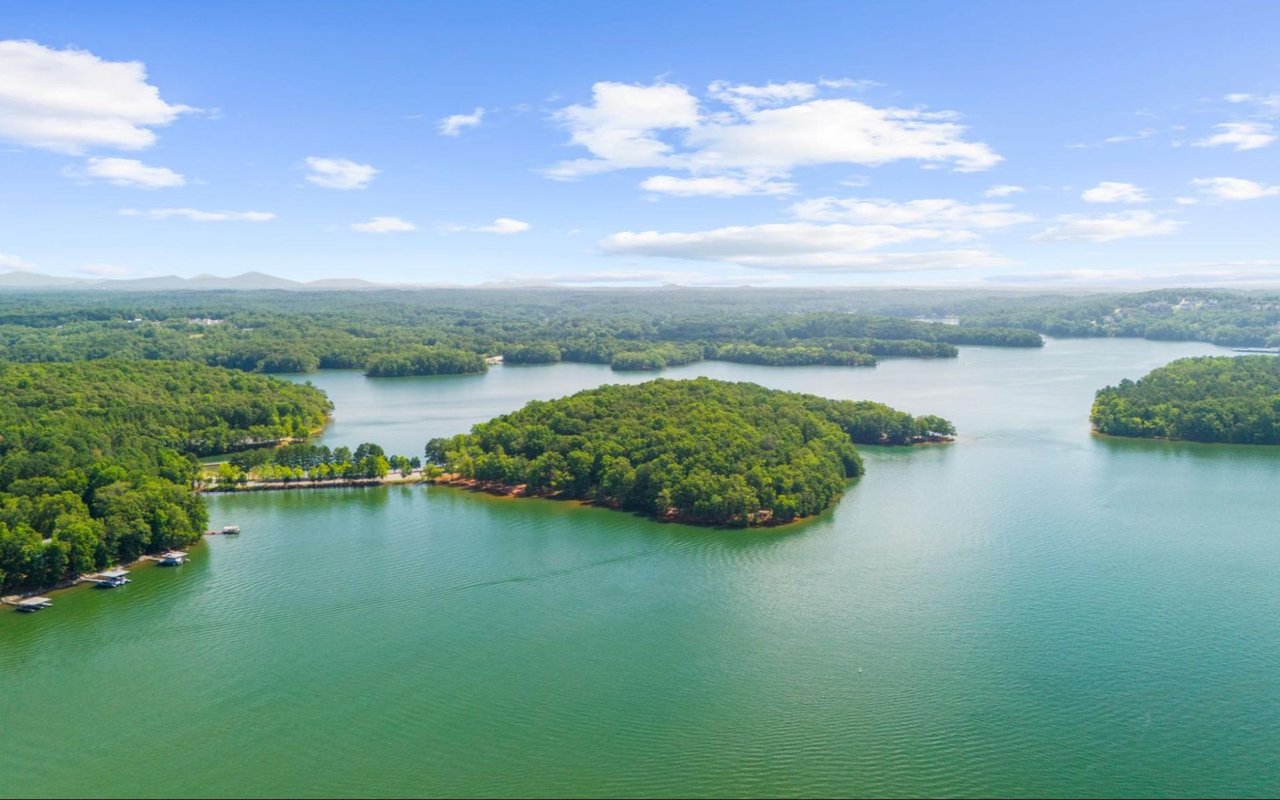
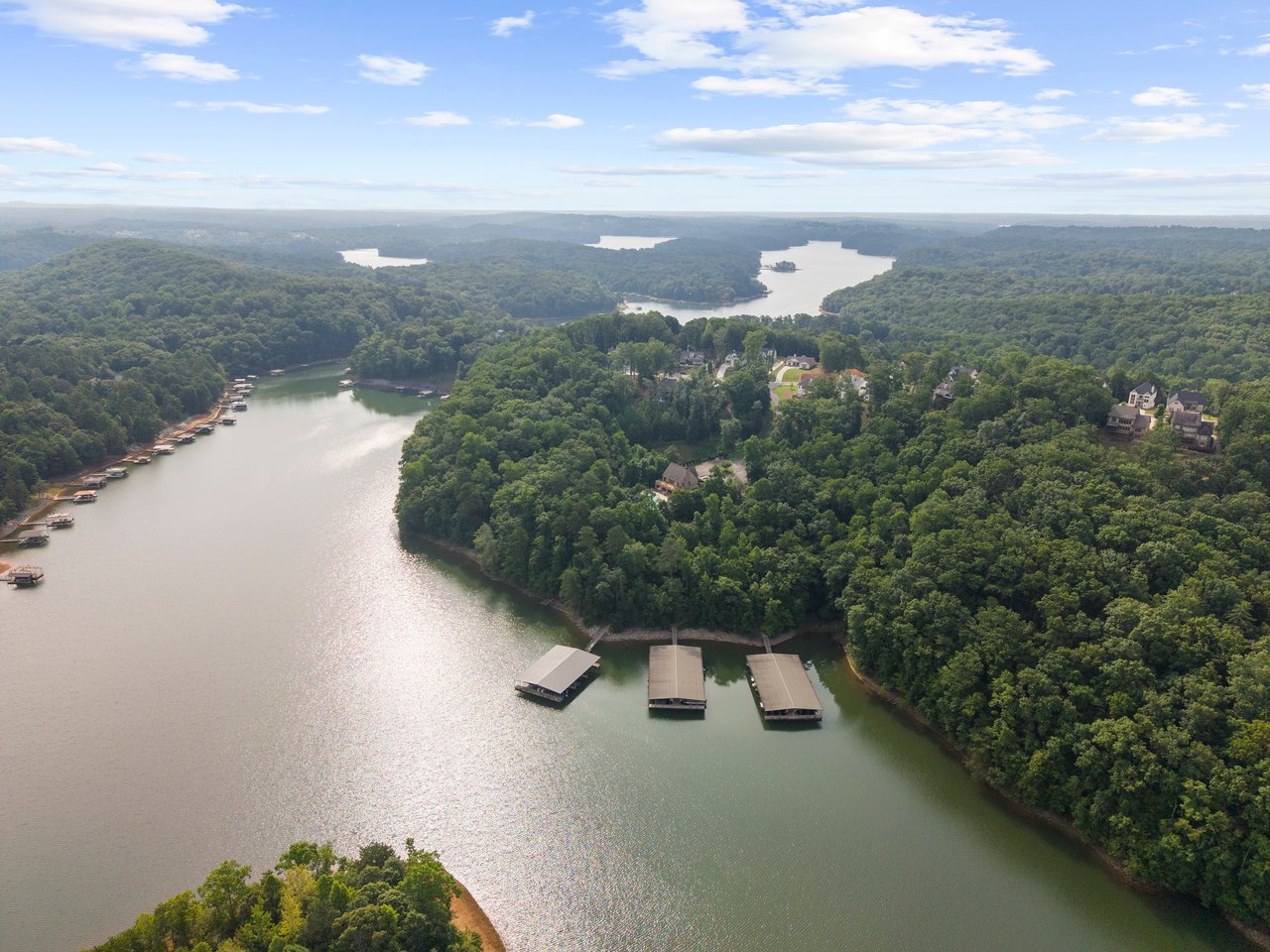
Lake Lanier is one of the Southeast's most beloved destinations for boating, fishing, and waterfront recreation. With over 38,000 acres of water and nearly 700 miles of shoreline, it offers endless opportunities for adventure but also requires a solid understanding of safety practices.
Whether you're a seasoned boater or hitting the water for the first time, keeping safety top of mind is key to enjoying all that Lake Lanier has to offer. These Lake Lanier boating tips will help you stay safe, informed, and confident every time you launch.
Lake Lanier Boating Laws & Safety Quick Reference Matrix
Side-by-side comparison of Georgia boating mandates, enforcing agencies, legal penalties, and recommended boater actions.
Boating Regulation | Legal Requirement Detail | Enforcing Authority | Penalties & Safety Tips |
|---|---|---|---|
Boater Education Certification | Mandatory for all operators born on or after Jan 1, 1998 | Georgia DNR Law Enforcement | Fines for non-compliance; keep boater ID on board at all times |
Life Jacket (PFD) Mandate | USCG-approved PFD mandatory for children 13 and under on moving vessels | GA DNR & USACE Rangers | Must have wearable PFD for every passenger + 1 throwable device |
100-Foot No-Wake Rule | Must slow to idle speed within 100 feet of docks, bridges, ramps & swimmers | GA DNR & Hall/Forsyth Sheriff Patrols | Strictly enforced; prevents shoreline erosion and dock damage |
Boating Under Influence (BUI) | Strict 0.08% blood alcohol concentration (BAC) legal limit | Georgia DNR Law Enforcement | Mandatory arrest, fines, vessel impound, loss of operating privileges |
Night Navigation Lighting | Red/green sidelights and 360-degree white anchor light sunset to sunrise | GA DNR & USACE Rangers | Check all bulbs before dusk; reduce speed in open water after dark |
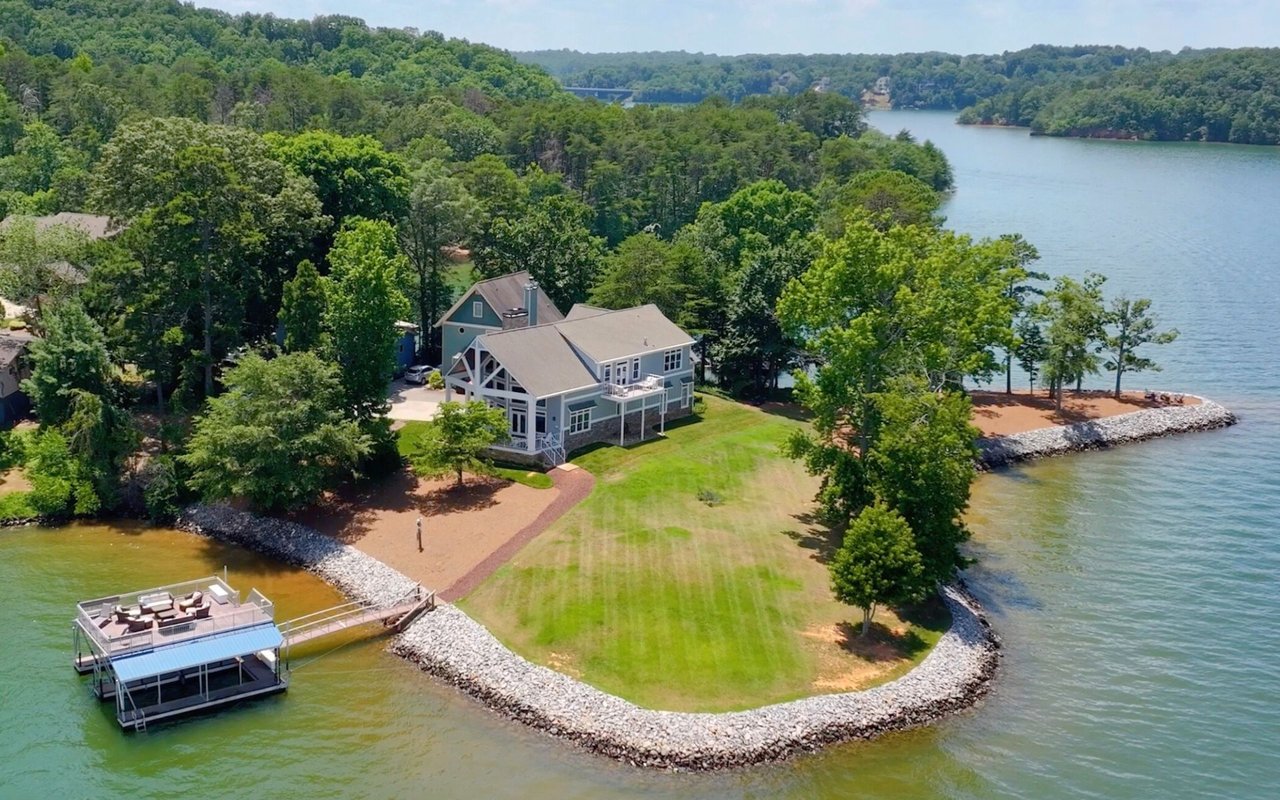
Looking to Buy a Home with Private Dock Access?
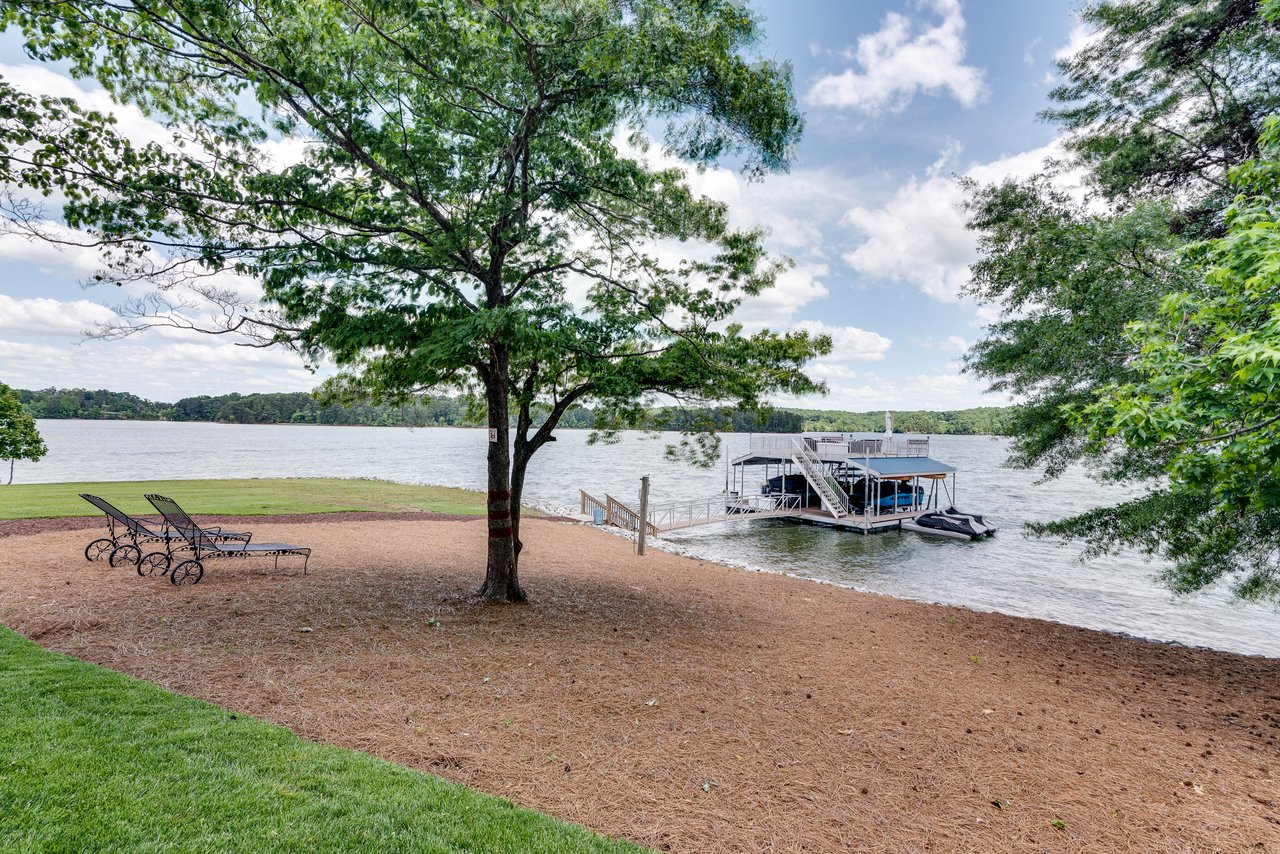
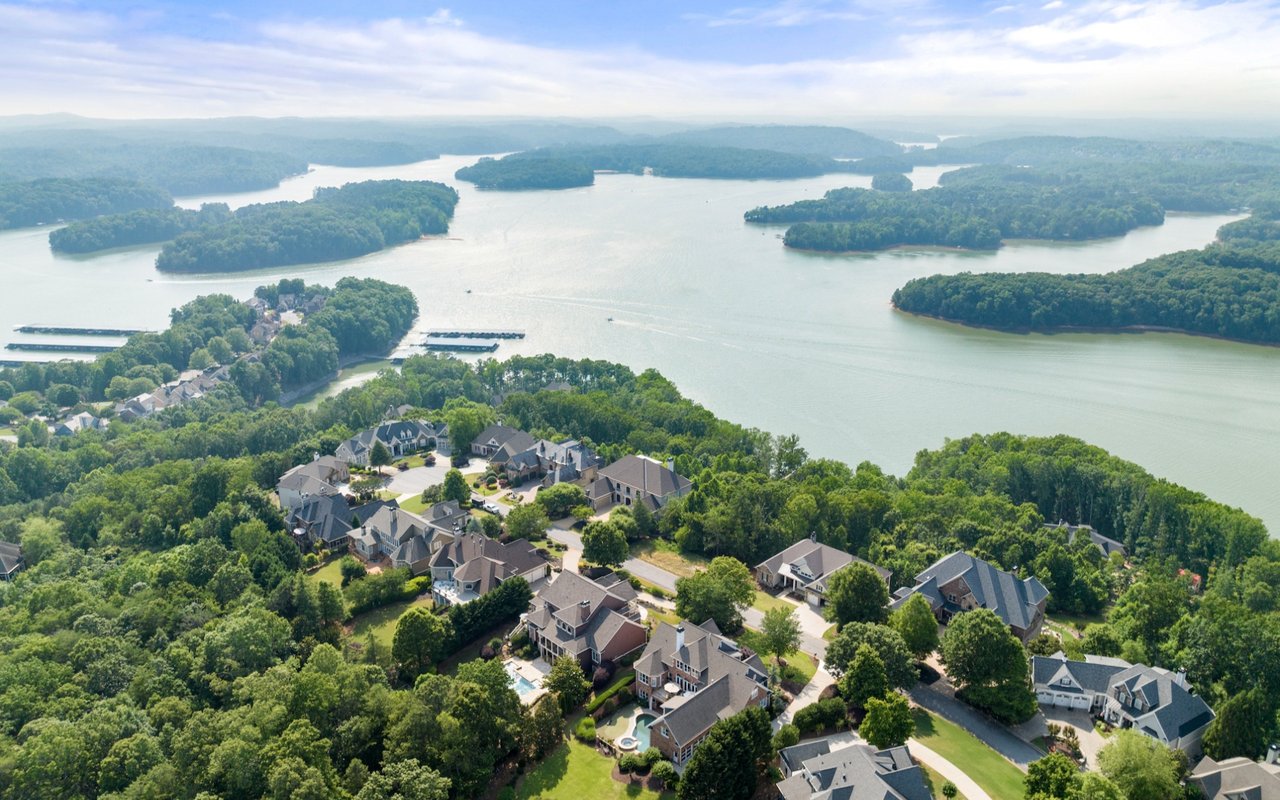
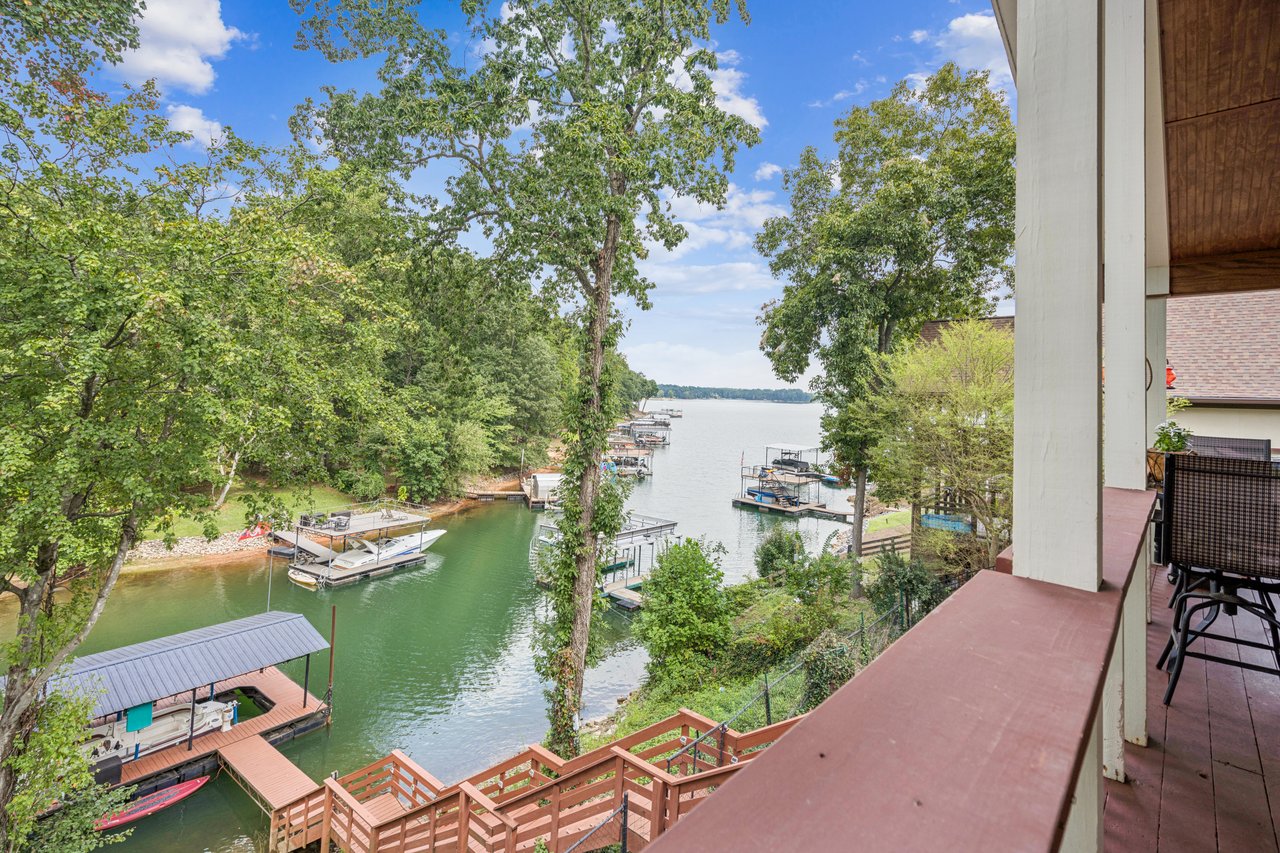
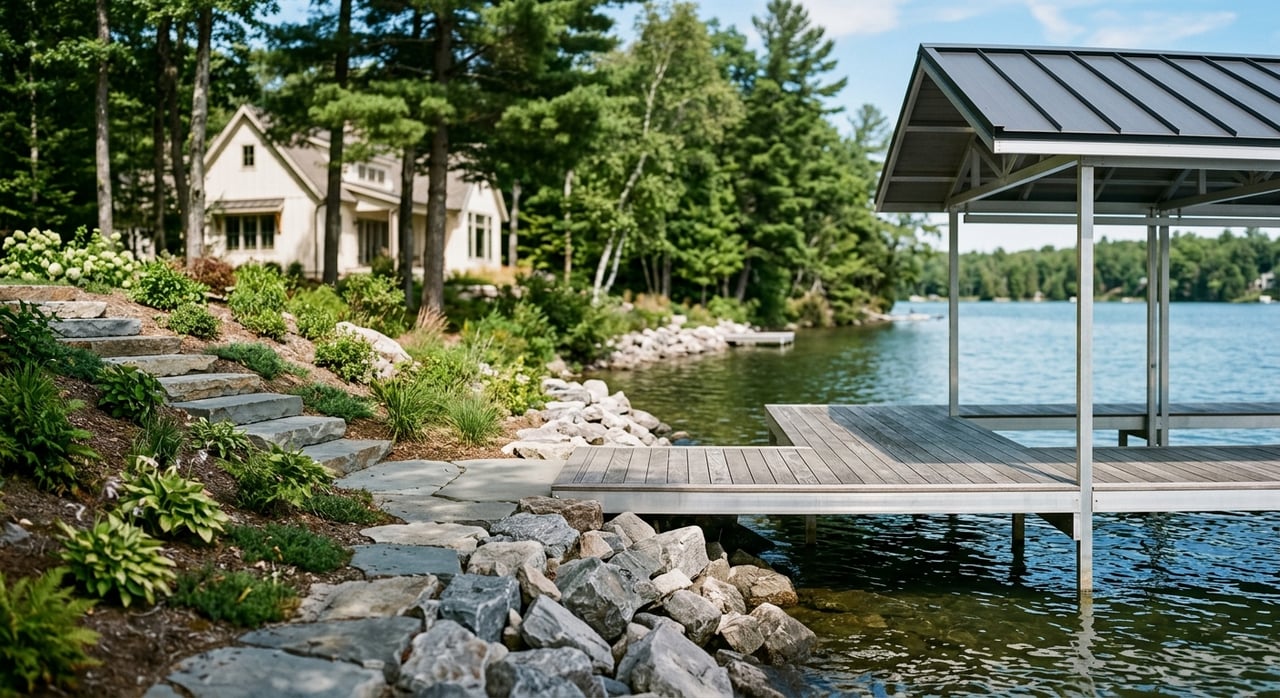
Knowing the 100-foot no-wake zone rules and USACE dock permit boundaries is crucial when buying waterfront property. Teresa Smith and the Living on Lake Lanier team help buyers evaluate dock permits and deep-water access.
Essential Lake Lanier Boating Safety Practices
Know the Rules Before You Launch
Familiarizing yourself with Georgia's boating laws is essential before heading out on Lake Lanier. All boaters born after January 1, 1998, are required to complete a boater education course to legally operate a vessel. Regardless of age, understanding right-of-way rules, no-wake zones, and hazard markers helps prevent accidents and ensures smooth navigation around others. Keep a copy of your boater ID or course certificate on board, and always follow posted signage and local regulations.
Always Wear a Life Jacket
One of the most basic yet critical Lake Lanier boating tips is to wear a properly fitted life jacket at all times. Georgia law requires children under 13 to wear one when on a moving vessel, but everyone on board should follow suit, especially in open water or rough conditions. Modern life jackets are lightweight, comfortable, and designed for all types of activities from fishing to jet skiing so there's no excuse not to wear one. It could be the one thing that saves your life.
Watch the Weather Conditions
Lake Lanier's weather can change rapidly, especially in the spring and summer months. Always check the forecast before you leave the dock, and pay attention to sudden shifts in wind, cloud cover, or temperature. Thunderstorms can roll in quickly, and being caught in open water during a storm is extremely dangerous. If there's any doubt about the weather, postpone your outing. Better to miss a day on the lake than put yourself or others at risk.
Avoid Alcohol While Operating a Boat
Just like driving a car, operating a boat under the influence is both illegal and dangerous. Alcohol impairs judgment, slows reaction time, and increases the likelihood of accidents. Georgia has strict BUI (Boating Under the Influence) laws, and penalties can include fines, jail time, or license suspension. Designate a sober captain for your boat, and save the drinks for when you're safely docked or on shore. Responsible boating starts with clear thinking and sober decisions.
Respect No-Wake Zones
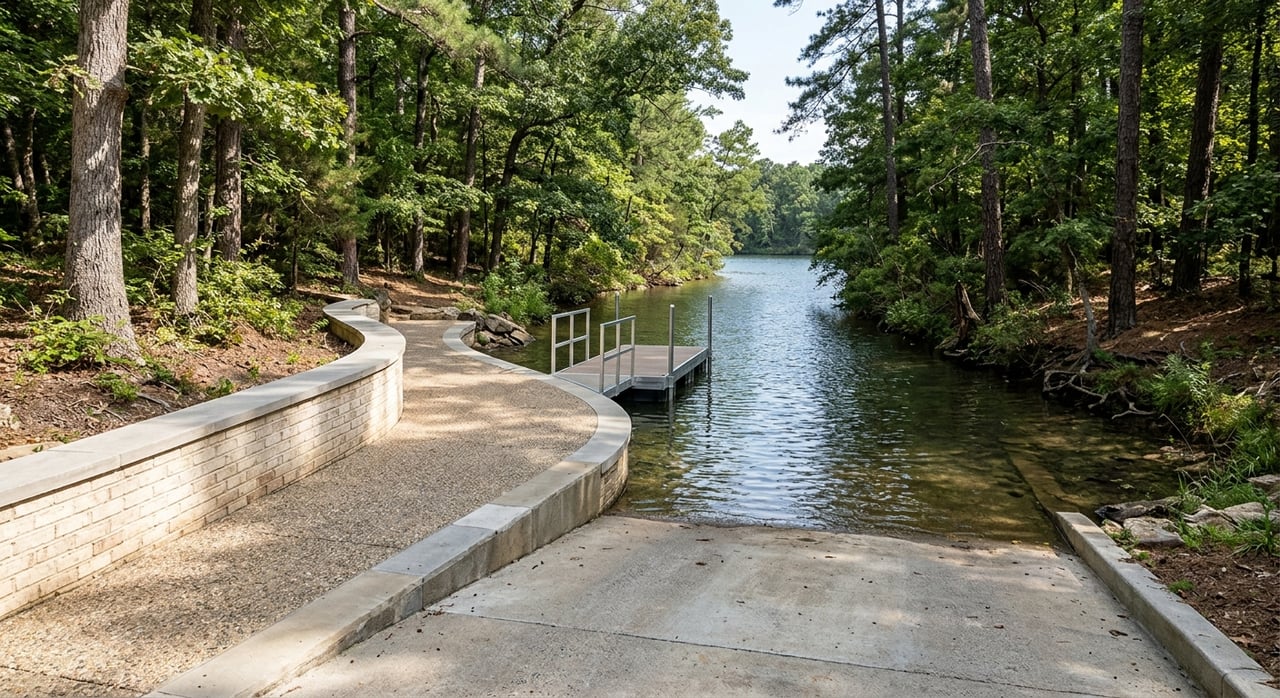
No-wake zones are in place to protect swimmers, other boats, and fragile shoreline environments. These areas require boaters to reduce speed to idle so their vessel doesn't create waves. On Lake Lanier, you'll often find no-wake zones near marinas, docks, swim areas, and bridges. Ignoring these zones isn't just a safety hazard, it can result in costly fines. Stay alert for signage and slow down well in advance to avoid sudden braking or steering errors.
Keep an Eye on Boat Traffic
Lake Lanier can get crowded, especially during weekends and holidays. Always maintain a proper lookout for other boats, swimmers, paddleboarders, and personal watercraft. Use your mirrors, check blind spots, and be aware of your surroundings in all directions. When passing or overtaking another vessel, do so safely and within the rules. Clear communication and predictable movements are essential for preventing collisions and keeping everyone on the water safe.
Be Prepared with Safety Equipment
Every boat on Lake Lanier should be stocked with required safety gear and additional essentials. Georgia law mandates that vessels carry items like a throwable flotation device, a sound-producing device (such as a whistle or horn), navigation lights, and a fire extinguisher. In addition, pack a first-aid kit, flashlight, extra fuel, sunscreen, and plenty of water. Having the right equipment on board can turn a potential emergency into a manageable inconvenience.
Maintain a Safe Speed
High speeds might be thrilling, but they come with increased risk, especially in busy or narrow areas. Always adjust your speed according to conditions whether it's choppy water, limited visibility, or high traffic. Slowing down near curves, docks, and boat ramps gives you better control and more time to react. Reckless speeding is one of the leading causes of boating accidents on Lake Lanier, and it's easily avoidable with smart, respectful operation.
Take Extra Care at Night
Boating after dark brings its own set of challenges. Depth perception changes, obstacles become harder to spot, and other vessels are less visible. Make sure your navigation lights are working and turned on from sunset to sunrise. Reduce your speed, avoid unfamiliar areas, and use spotlights only when necessary, they can impair the vision of other boaters. If you're new to nighttime boating, consider returning to the dock before dark.
Know How to Respond in Emergencies
Even experienced boaters can find themselves in unexpected situations. Everyone on board should know the basics of what to do in case of fire, man overboard, or mechanical failure. Teach passengers how to use the radio, locate life jackets, and shut off the engine if necessary. Keep emergency contact numbers handy and know how to call for help using a marine VHF radio or cell phone. Preparation and calm responses can prevent panic and save lives.
Lake Lanier Is Best Enjoyed Responsibly
Boating on Lake Lanier is one of the area's greatest pleasures, offering freedom, beauty, and recreation in equal measure. But with that comes the responsibility to protect yourself, your passengers, and others sharing the water. Whether you're cruising to a quiet cove or exploring new parts of the lake, these safety practices help ensure every outing is enjoyable and incident-free. Take the time to prepare, respect the rules, and lead by example. It's how memories are made and mishaps are avoided.
Explore the Lake Life with Confidence
Living near the water means more than just weekend outings, it's about embracing the lifestyle year-round. Living on Lake Lanier offers expert guidance for those looking to buy or sell property near Georgia's premier lake destination.
Their team understands the nuances of lakefront living and helps clients find homes that match their vision for adventure, relaxation, and lasting value. Discover the difference of working with professionals who know the lake and the life it offers inside and out.
Related Lake Lanier Lifestyle & Real Estate Guides
About Teresa Smith & Living on Lake Lanier
Teresa Smith, Michele Kaplan, and Mackenzie Scott form the Living on Lake Lanier real estate team (4878 Manhattan Dr NE, Buford GA 30518). They advise waterfront home buyers on dock permit verification, USACE shoreline rules, and safe lakefront living across Hall, Forsyth, Dawson, and Gwinnett counties.
Verified Data Point: Georgia DNR Law Enforcement patrols 38,000 acres of Lake Lanier water, enforcing the 100-foot idle speed rule around all docks, bridges, and swimmers.
Frequently Asked Questions
Who needs a boater education card on Lake Lanier?
Under Georgia law, all motorized vessel operators born on or after January 1, 1998, must complete a GA DNR-approved boater education course before operating a vessel on Lake Lanier.
What are the life jacket laws on Lake Lanier?
Children 13 years of age and under must wear a properly fitted USCG-approved Coast Guard life jacket at all times while on a moving vessel on Lake Lanier.
What is the 100-foot rule on Lake Lanier?
Georgia boating law mandates that vessel operators slow to idle speed within 100 feet of docks, piers, bridges, public boat ramps, parked vessels, and swimmers in the water.
What are the penalties for BUI (Boating Under the Influence) on Lake Lanier?
Operating a vessel with a blood alcohol concentration (BAC) of 0.08% or higher is illegal in Georgia. BUI violations result in mandatory fines, loss of boating privileges, and potential jail time.
Find Your Lake Lanier Waterfront Home with Teresa Smith
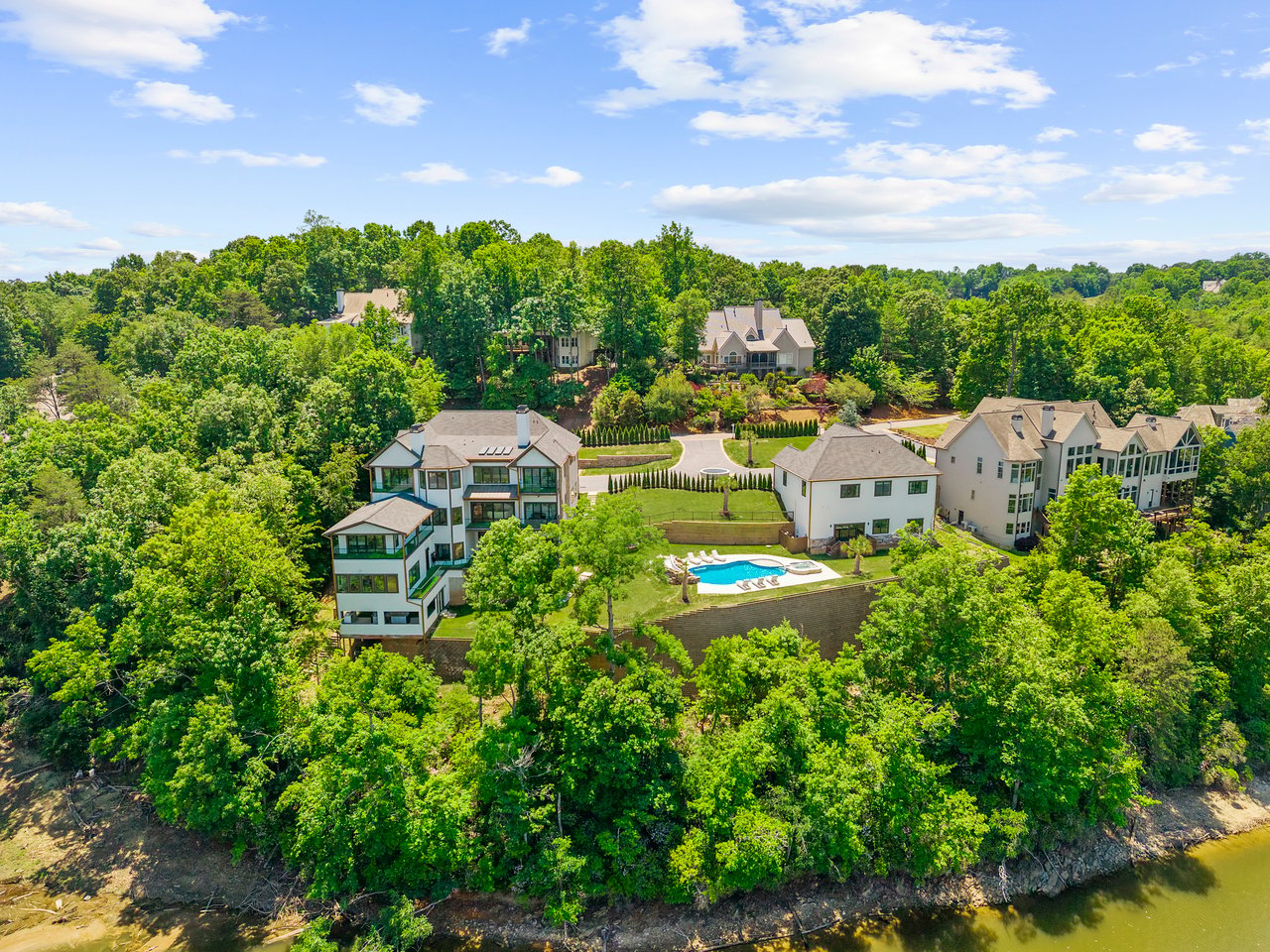
Partner with Teresa Smith and Living on Lake Lanier to evaluate waterfront properties, deep-water dock permits, and lakefront estates.
Source Notes: Georgia Department of Natural Resources (GA DNR) Law Enforcement Division; U.S. Army Corps of Engineers (USACE) Savannah District Boating Safety Code, current through 2026.