The Scoop on Poop: 7 Non-Negotiable Things to Know Before Buying a Home on Septic
Buying a home that isn't connected to a public sewer line means you'll be joining the world of septic system ownership. While this often means no monthly sewer bill, it requires a different kind of maintenance and due diligence. As a homebuyer, knowing the right questions to ask and the critical items to inspect is essential to avoid unexpected, costly repairs.
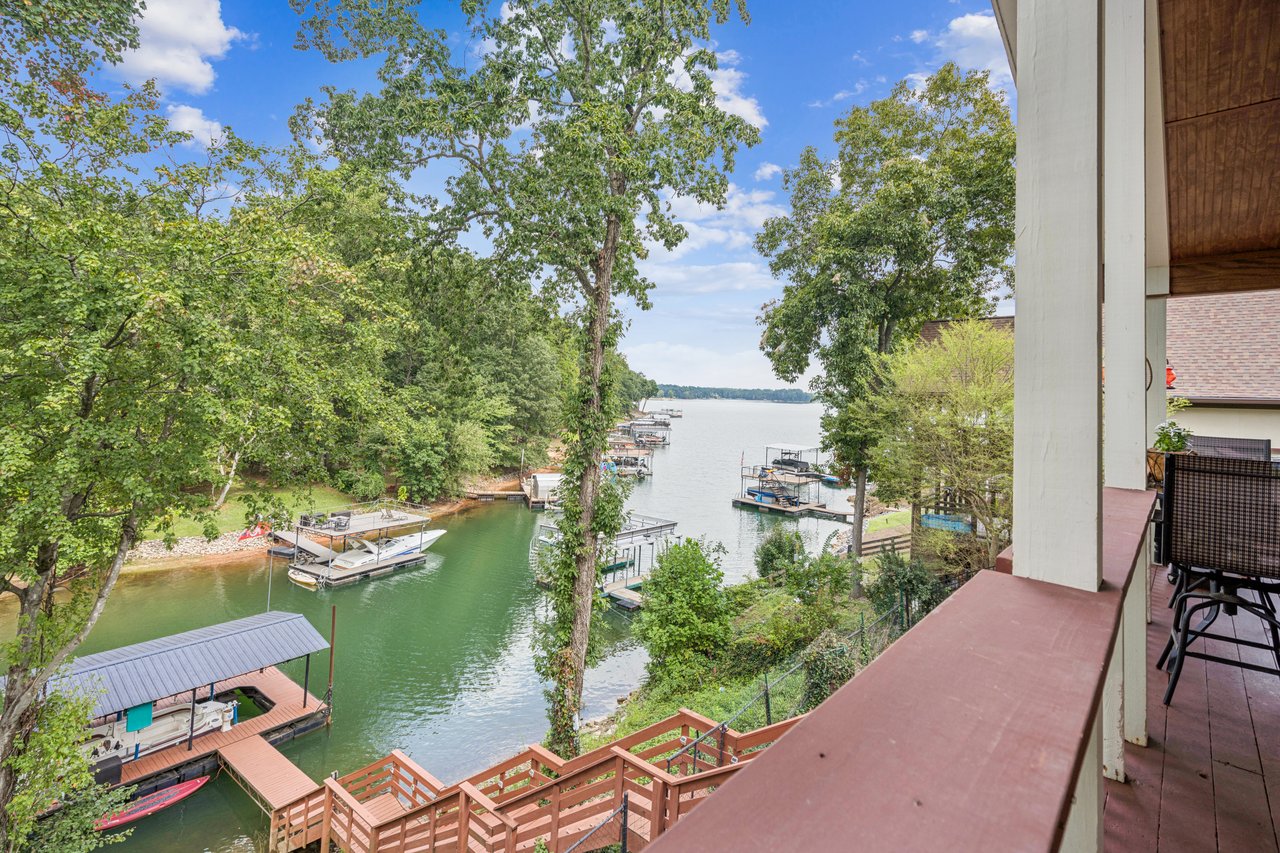
With about 95% of homes on Lake Lanier on septic, we, as lake specialists, have years of experience understanding the ins and outs of these systems. It’s very important you do as well!
Here are seven non-negotiable things you must know before you purchase a house with a septic system.
1. The Septic Inspection should be Non-Negotiable
Unlike a general home inspection, a septic system inspection is specialized and should be a mandatory part of your due diligence whether you pay for it or the seller does.
-
Get a full inspection and pump: We recommend making the sale contingent upon a professional inspection, which should include locating the tank, pumping and inspecting the tank, and having the drain field lines located and inspected to ensure there are no obstructions in the field lines. The average cost for pumping alone is typically around $500.
-
Ask for a copy of the full inspection and drain field report: In the real estate process, a buyer often requests that the seller provide a "clear septic letter" that certifies the system is functional and in good working order at closing.
-
The cost of failure is high: A failing septic system can lead to serious health and environmental hazards, and the cost to repair or replace a system can range from $3,000 to over $20,000, so a pre-purchase inspection is a smart investment.
2. Know Your System's "Specs" and Capacity
The size and type of the system are crucial, especially if you plan any renovations or additions that increase the home's potential occupancy.
-
Bedroom Capacity: The system is engineered and approved by local authorities to handle the wastewater of a home with a specific number of bedrooms. If a seller has added bedrooms without increasing the septic capacity, the system could be easily overwhelmed and fail.
-
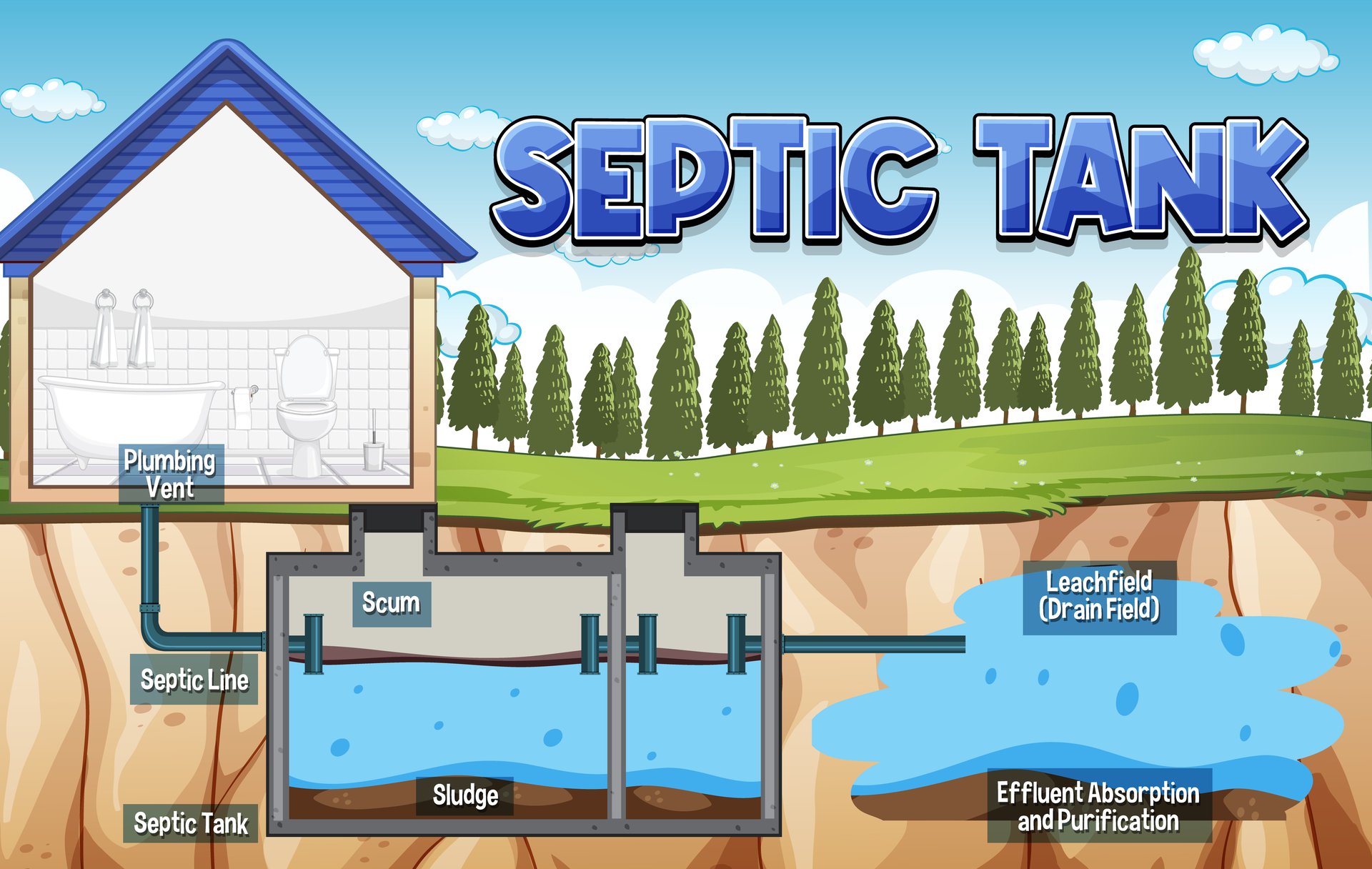
Tank and System Type: Find out the tank size, the location of the tank and drain field, and the type of system (conventional gravity-fed or an alternative system). Alternative systems often require more frequent and more costly maintenance than conventional systems.
-
The "As-Built" Drawing: Request the "as-built" drawing or sketch from the seller or the local Environmental Health department. This document shows the precise location of the tank, the leach (drain) field, and any separate systems (e.g., if there is a separate tank for a guest house).
3. Understand the Maintenance History
A well-maintained system can last decades, but one that has been ignored is a major liability.
-
Pumping Frequency: Traditional septic tanks should be professionally pumped every three to five years. Alternative systems with pumps or mechanical parts may need an annual inspection.
-
Request Records: Ask the seller for all pumping and maintenance records. A good record is a strong indication of a responsible homeowner. If the system was last serviced more than five years ago, it's a major red flag.
4. Learn the Red Flags of a Failing System
Know how to spot an issue before it becomes a disaster. The following are signs that a septic system is failing and needs immediate attention:
-
Odors: A persistent, strong odor near the tank or the drain field.
-
Drainage Issues: Slowly draining sinks, toilets, or showers, or gurgling sounds from the plumbing.
-
Yard Conditions: Standing water, very wet soil, or unusually bright green, spongy grass over the drain field which indicates effluent is coming to the surface.
-
Backups: Sewage backing up into your drains.
5. Be Mindful of Water Use and Drains
Unlike municipal sewer systems, your septic tank has a limited capacity for processing waste.
-
The "Do Not Flush" List: Only flush human waste and toilet paper. Never flush "cloggers" like dental floss, baby wipes, feminine hygiene products, or cat litter.
-
The "Do Not Pour" List: Never pour chemicals, paint, or excessive amounts of household cleaners down your sink. Avoid or limit the use of a garbage disposal, as it sends too many solids into the tank.
-
Water Conservation: Avoid putting unnecessary strain on the system by staggering laundry loads throughout the week and fixing leaky plumbing fixtures.
6. Know What Not to Do to the Drain Field
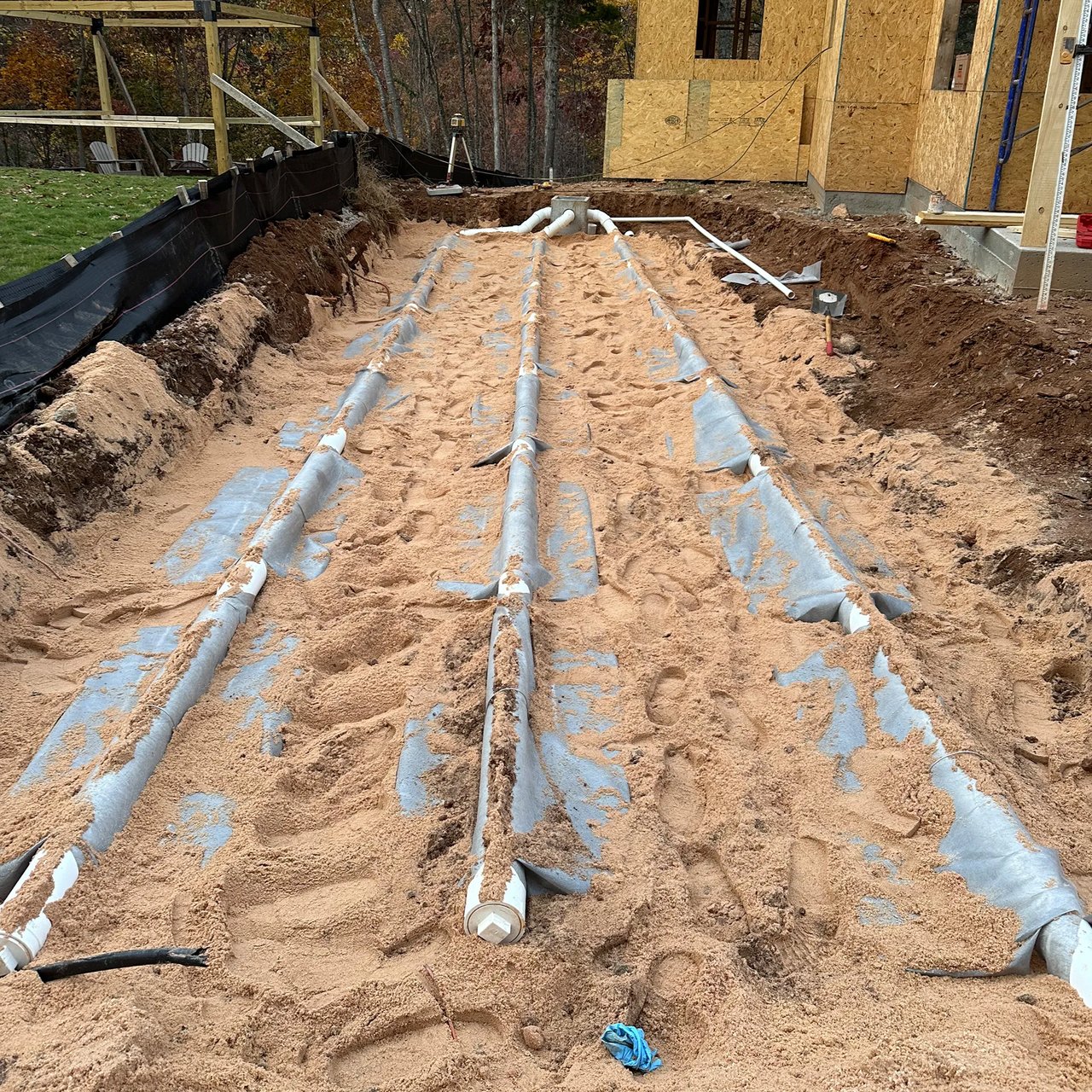
The drain field (or leach field) is the most critical part of the system where wastewater is naturally treated by the soil. It must be protected.
-
Keep Heavy Objects Off: Never drive a car or place heavy objects like sheds, patios, or pools on top of the drain field.
-
Watch the Plants: Plant trees away from the drain field, as the roots can grow into and clog the pipes, leading to system failure.
-
Divert Water: Ensure that roof downspouts or sump pump discharge are directed away from the septic system area.
7. Plan for Delays and Costs in Negotiations
A septic system that needs repair can cause delays and significantly change your negotiation strategy.
-
Seller-Paid Repairs: In the event the system fails inspection, you can negotiate for the seller to complete all necessary repairs before closing, or you can negotiate a price reduction to cover the costs yourself.
-
Allow for Time: Repairs or replacements, especially for an entire drain field, can take time. If major work is needed, you may have to extend the due diligence period to allow the seller enough time to complete the work and secure all necessary permits and clearance letters.
Don't gamble on the most important system in your new home. Go into your purchase with the knowledge…and the team at LivingOnLakeLanier.com…that will keep your home healthy and your money where it belongs!
*Photo courtesy of Richland Septic GA.