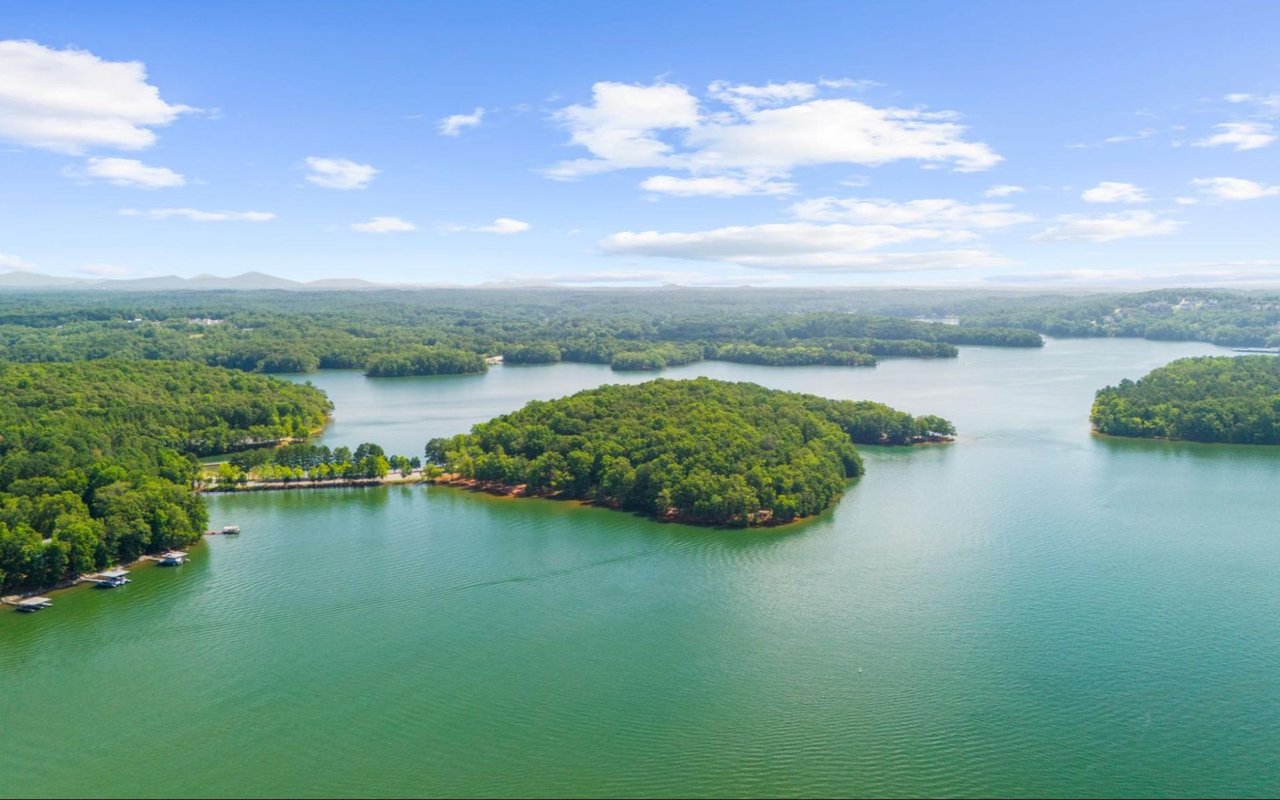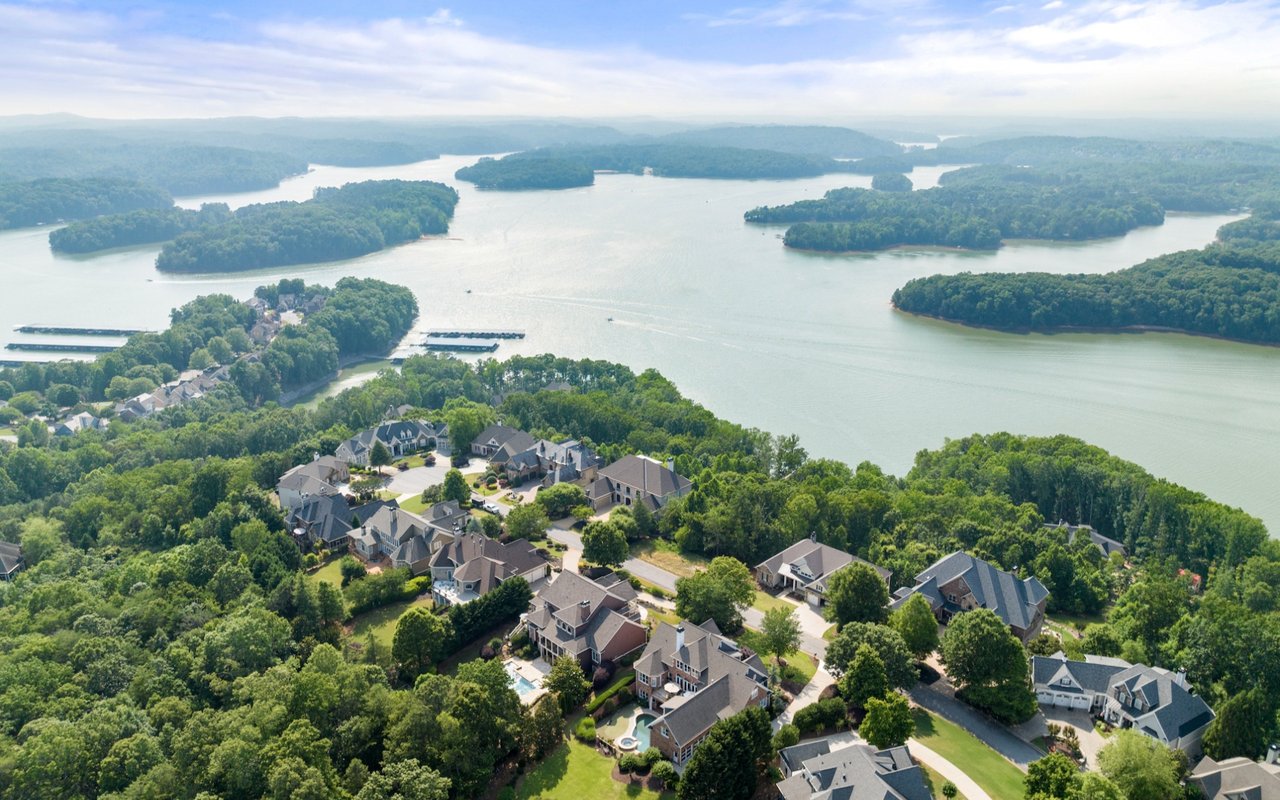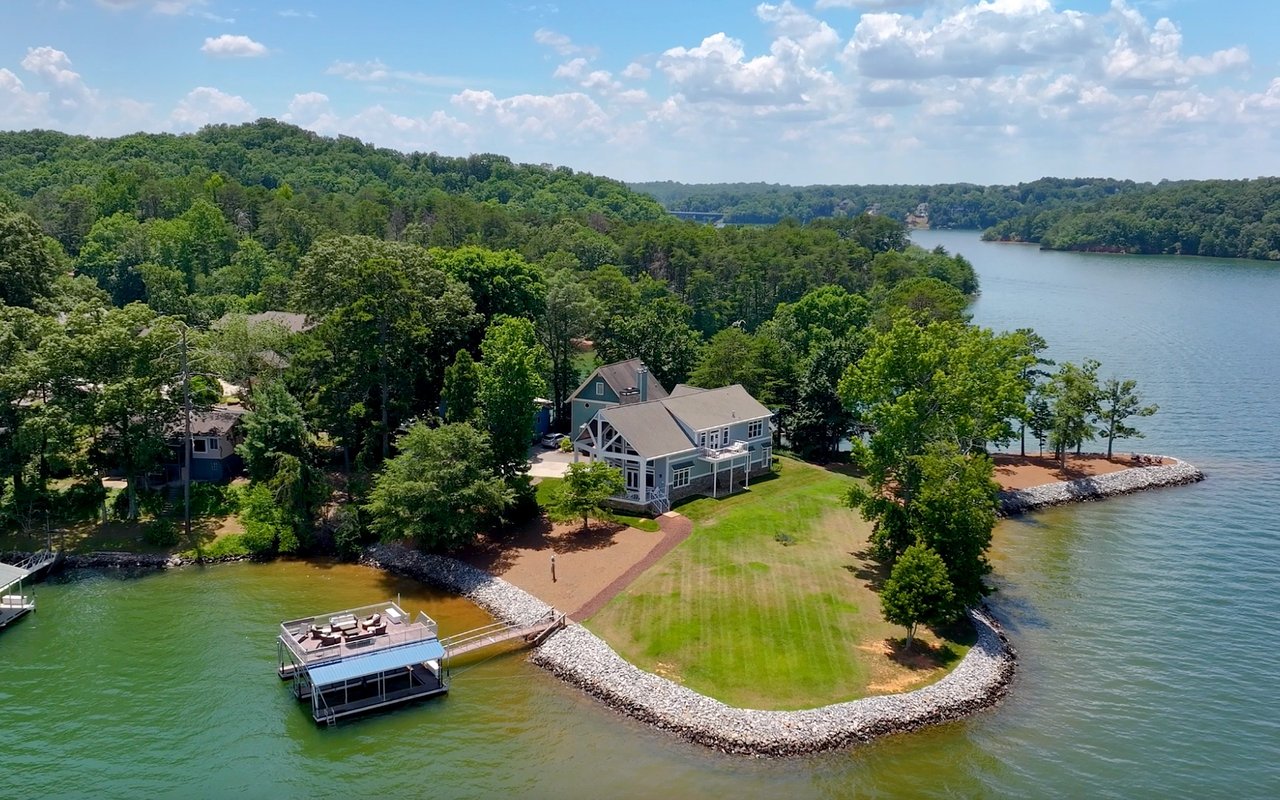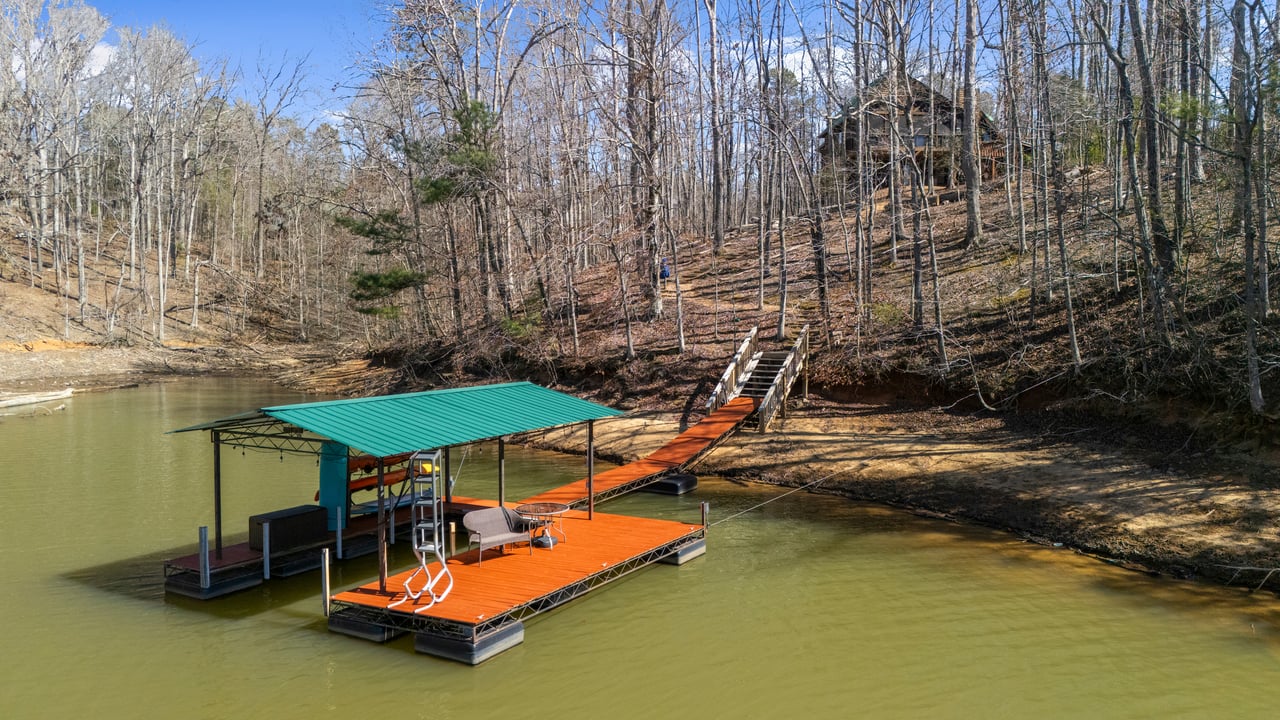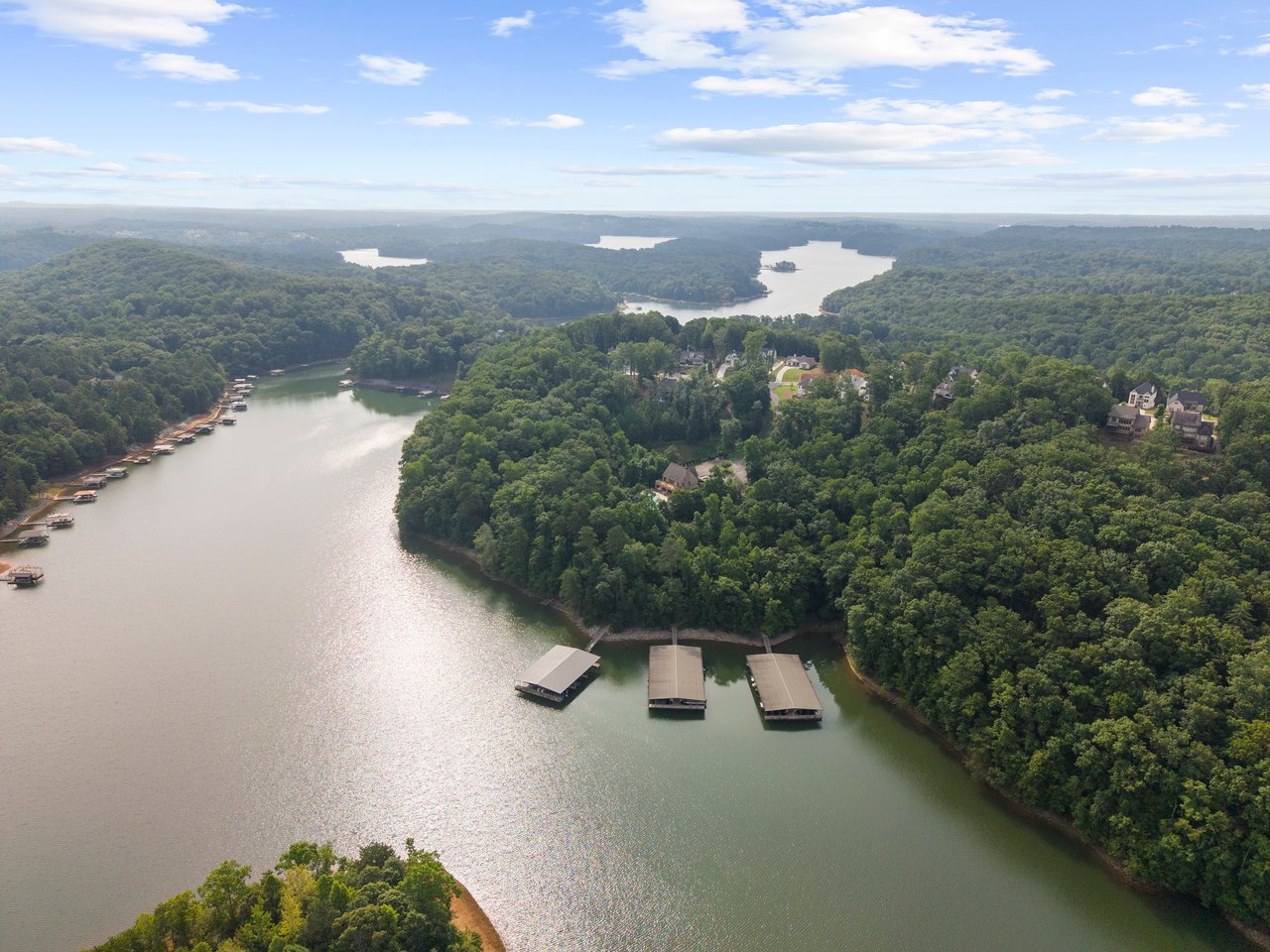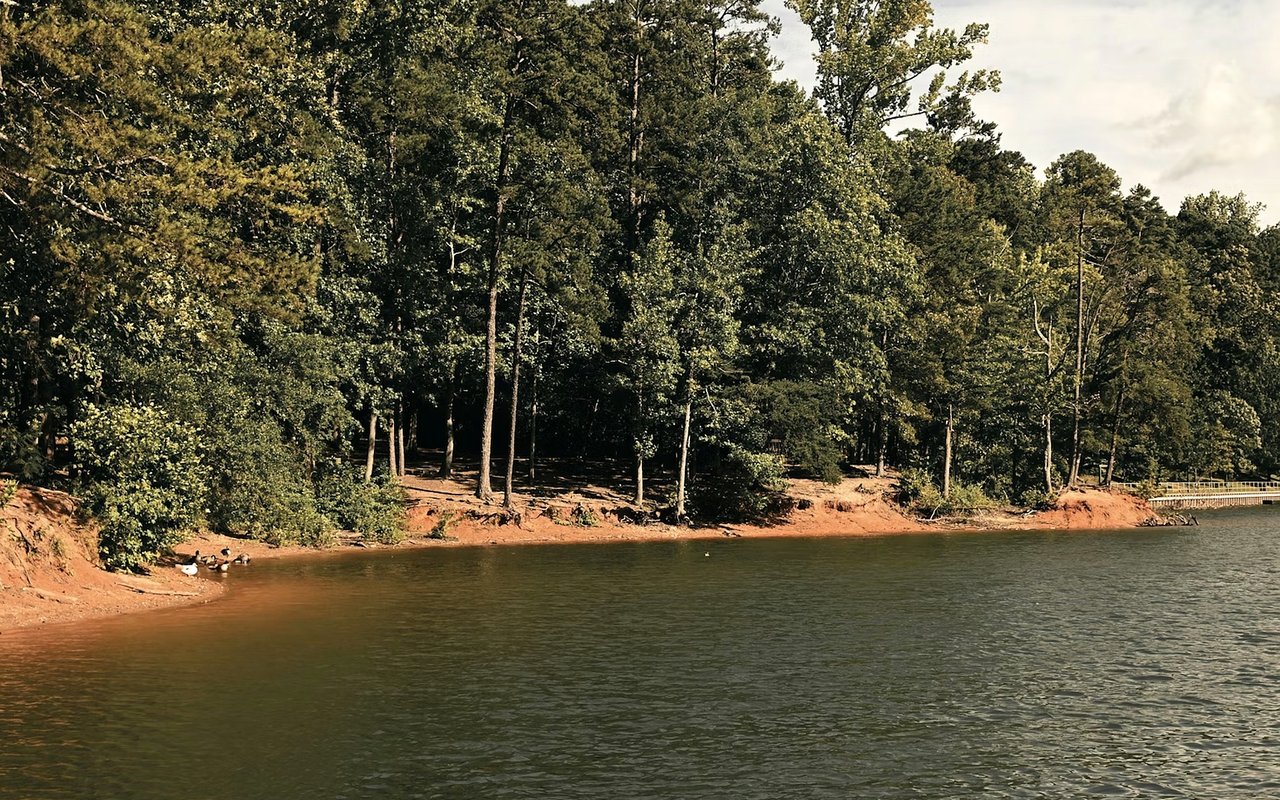
Lake Lanier, situated in northern Georgia, spans over 38,000 acres and features hundreds of coves, islands, and shoreline stretches. The lake supports recreation, marinas, historic sites, and engineered structures that define its character. The most recognized landmarks in Lake Lanier showcase how engineering, history, and landscape design shaped the lake into its modern form.
The following sections outline the landmarks that stand out for their scale, purpose, or cultural significance, providing readers with a structured understanding of Lake Lanier’s defining features.
Buford Dam
Buford Dam stands at the southern end of Lake Lanier and remains one of the most important landmarks in the region. Constructed by the U.S. Army Corps of Engineers and completed in the 1950s, the dam impounded the Chattahoochee River, creating the reservoir. Its structure stretches roughly 2,300 feet and includes hydroelectric generating facilities that continue to operate.
The area surrounding the dam includes scenic overlooks, trails, and river access points. Visitors observe the lake’s expanse on the upstream side and the narrow river channel on the downstream side, reinforcing the contrast between the original river system and the engineered reservoir.
The area surrounding the dam includes scenic overlooks, trails, and river access points. Visitors observe the lake’s expanse on the upstream side and the narrow river channel on the downstream side, reinforcing the contrast between the original river system and the engineered reservoir.
Lake Lanier Olympic Park
Lake Lanier Olympic Park gained international attention during the 1996 Summer Olympics when it hosted rowing and canoe–kayak sprint events. The venue, situated near Gainesville, features a straight 2,000-meter course with permanent markers, spectator stands, and support facilities.
Today, the park hosts local and regional regattas, paddle events, and community gatherings. The grandstands and course layout provide a clear example of how the lake accommodates organized competition. Visitors interested in athletic history often include the Olympic Park in their exploration of notable landmarks in the Lake Lanier area.
Today, the park hosts local and regional regattas, paddle events, and community gatherings. The grandstands and course layout provide a clear example of how the lake accommodates organized competition. Visitors interested in athletic history often include the Olympic Park in their exploration of notable landmarks in the Lake Lanier area.
Bald Ridge Creek and Surrounding Marinas
Bald Ridge Creek, located on the southern half of the lake, serves as a major hub for boating activities. Bald Ridge Marina features fuel docks, boat storage, ramp access, and slips that accommodate recreational and fishing vessels. The marina has expanded over the years to meet the growing demand for lake access.
The surrounding shoreline features parks, picnic areas, and day-use sites managed by the U.S. Army Corps of Engineers. The creek’s protected water creates calm conditions that support boating instruction, paddle sports, and gradual lake entry. Bald Ridge Creek demonstrates how residential and recreational interests interact across Lake Lanier’s southern basin.
The surrounding shoreline features parks, picnic areas, and day-use sites managed by the U.S. Army Corps of Engineers. The creek’s protected water creates calm conditions that support boating instruction, paddle sports, and gradual lake entry. Bald Ridge Creek demonstrates how residential and recreational interests interact across Lake Lanier’s southern basin.
Don Carter State Park
Don Carter State Park, situated on the northeastern edge of the lake, holds the distinction of being the first state park built specifically on Lake Lanier. The park includes a long shoreline, boat ramps, walking trails, and a designated beach area. Its layout reflects careful planning to accommodate multiple recreational uses without crowding the waterfront.
The terrain surrounding the park features hardwood forests and rolling hills, representing the natural landscape before the reservoir's construction. Many visitors appreciate the park’s quieter location when compared to busier southern sections of the lake. Don Carter State Park demonstrates how public infrastructure expanded in tandem with the recreational development of the lake.
The terrain surrounding the park features hardwood forests and rolling hills, representing the natural landscape before the reservoir's construction. Many visitors appreciate the park’s quieter location when compared to busier southern sections of the lake. Don Carter State Park demonstrates how public infrastructure expanded in tandem with the recreational development of the lake.
Lanier Islands
Lanier Islands is one of the most recognizable commercial destinations on the lake. Located near Buford, this resort area comprises several interconnected islands, featuring lodging, restaurants, marinas, and expansive waterfront spaces. The property offers conference facilities, event venues, and seasonal activities that draw visitors throughout the year.
The islands gained prominence shortly after the creation of the lake, and development steadily increased as visitor demand grew. The resort’s location near major highways makes it accessible to many travelers. Lanier Islands remain a central point of interest for those exploring large-scale attractions around Lake Lanier.
The islands gained prominence shortly after the creation of the lake, and development steadily increased as visitor demand grew. The resort’s location near major highways makes it accessible to many travelers. Lanier Islands remain a central point of interest for those exploring large-scale attractions around Lake Lanier.
Browns Bridge and Surrounding Waters
Browns Bridge crosses a central section of the lake and connects Forsyth and Hall Counties. The bridge sits near one of the original crossing points before the reservoir was formed. The replacement bridge, completed in recent years, supports modern traffic while maintaining access between communities along the lake.
The water beneath Browns Bridge includes channels that boaters use to navigate between northern and southern areas. Several marinas and parks sit within a short distance of the crossing, making it a central reference point for those navigating long stretches of the reservoir. The only floating tiki bar on Lanier is also located here, Pelican Pete’s! You can rent jet skis, boats, and grab a bite to eat from here. Be prepared for long waits in the summertime as this is a Lake Lanier hotspot!
The water beneath Browns Bridge includes channels that boaters use to navigate between northern and southern areas. Several marinas and parks sit within a short distance of the crossing, making it a central reference point for those navigating long stretches of the reservoir. The only floating tiki bar on Lanier is also located here, Pelican Pete’s! You can rent jet skis, boats, and grab a bite to eat from here. Be prepared for long waits in the summertime as this is a Lake Lanier hotspot!
Mary Alice Park
Mary Alice Park, located near Cumming, provides another established recreational point on the southwestern side of the lake. The park features a swimming beach, boat ramps, picnic areas, and stunning shoreline views of expansive water. Visitors often use the park as a base for exploring the southern reaches of the lake.
The area around Mary Alice shows how public spaces blend with residential areas and marinas. The park’s design supports easy access to the lake while preserving green space along the shoreline. This balance makes Mary Alice Park a recognizable and long-standing landmark for those who spend time in the region.
The area around Mary Alice shows how public spaces blend with residential areas and marinas. The park’s design supports easy access to the lake while preserving green space along the shoreline. This balance makes Mary Alice Park a recognizable and long-standing landmark for those who spend time in the region.
Shoal Creek and Its Peninsula
Shoal Creek occupies a large peninsula near the middle of Lake Lanier’s southern half. The area includes campgrounds, open shoreline, and wooded lakeside trails. Shoal Creek’s position between major channels creates ample space for boating and water access, while its natural edges provide a quieter landscape.
Visitors often explore the peninsula’s inlets and points, which offer long water views and steady breezes across the lake. Shoal Creek exemplifies how large landforms within the reservoir have evolved into multi-use recreational areas as public interest in lake access has increased.
Visitors often explore the peninsula’s inlets and points, which offer long water views and steady breezes across the lake. Shoal Creek exemplifies how large landforms within the reservoir have evolved into multi-use recreational areas as public interest in lake access has increased.
Imagine Your Lifestyle Living on Lake Lanier
Living on Lake Lanier helps clients understand the significance of these locations and how proximity to them shapes the lakefront experience. Our team comprises Lake Lanier real estate agents who are well-versed in the area and can offer valuable insights into the local market. Whether you're looking to buy or sell a lakefront property on Lake Lanier, Living on Lake Lanier can provide the guidance and expertise you need to make the most of your real estate transaction.