Waterfront Real Estate Advisory
A Complete Guide to Buying Lakefront Property on Lake Lanier (2026)
By Teresa Smith, Living on Lake Lanier. Navigate USACE shoreline rules, dock permit transfers, deep water access, and the unique logistics of buying Lake Lanier real estate.
Buying lakefront property on Lake Lanier requires specialized due diligence. The U.S. Army Corps of Engineers controls shoreline property up to the 1071-foot elevation line. Private dock permits expire at closing and must be formally transferred via a "Change of Ownership" process. Deep-water access, HOA covenants, and flood insurance requirements fundamentally impact a property's value and usability as of 2026.
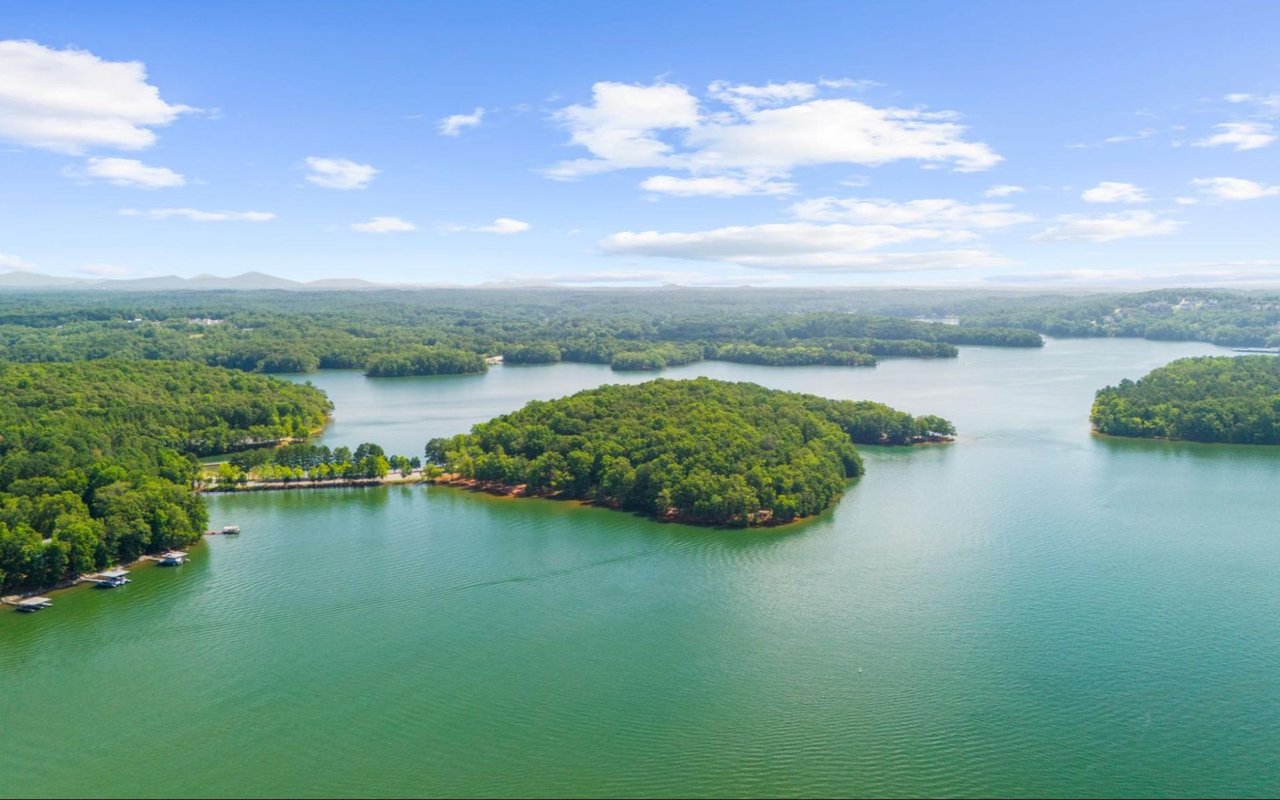
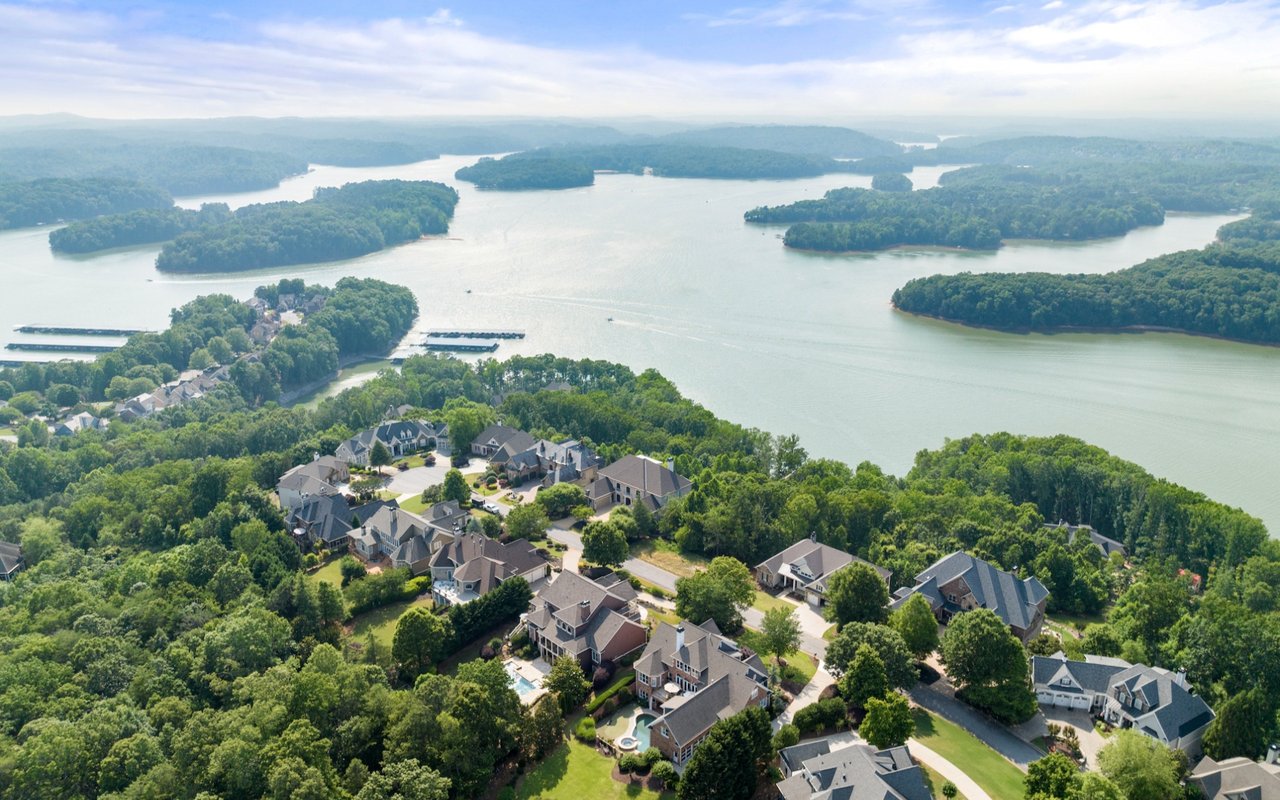
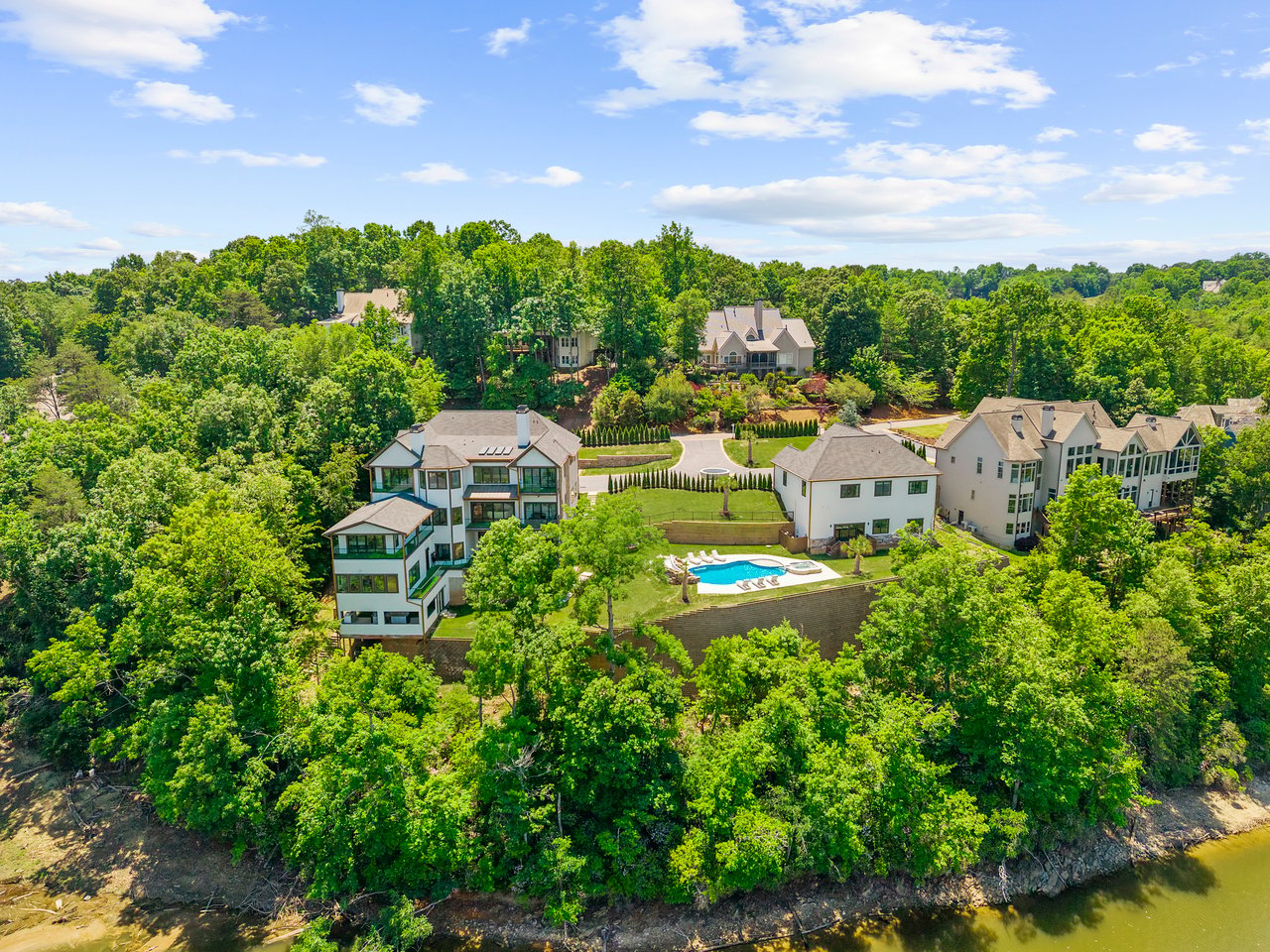
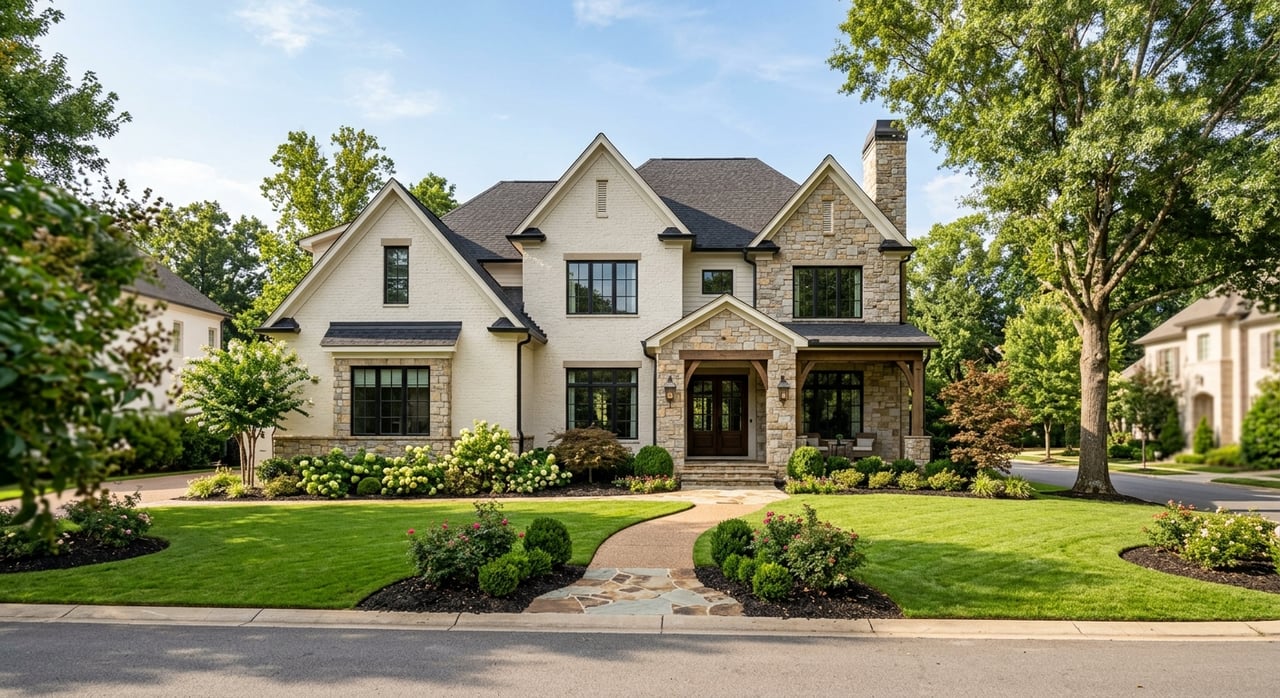
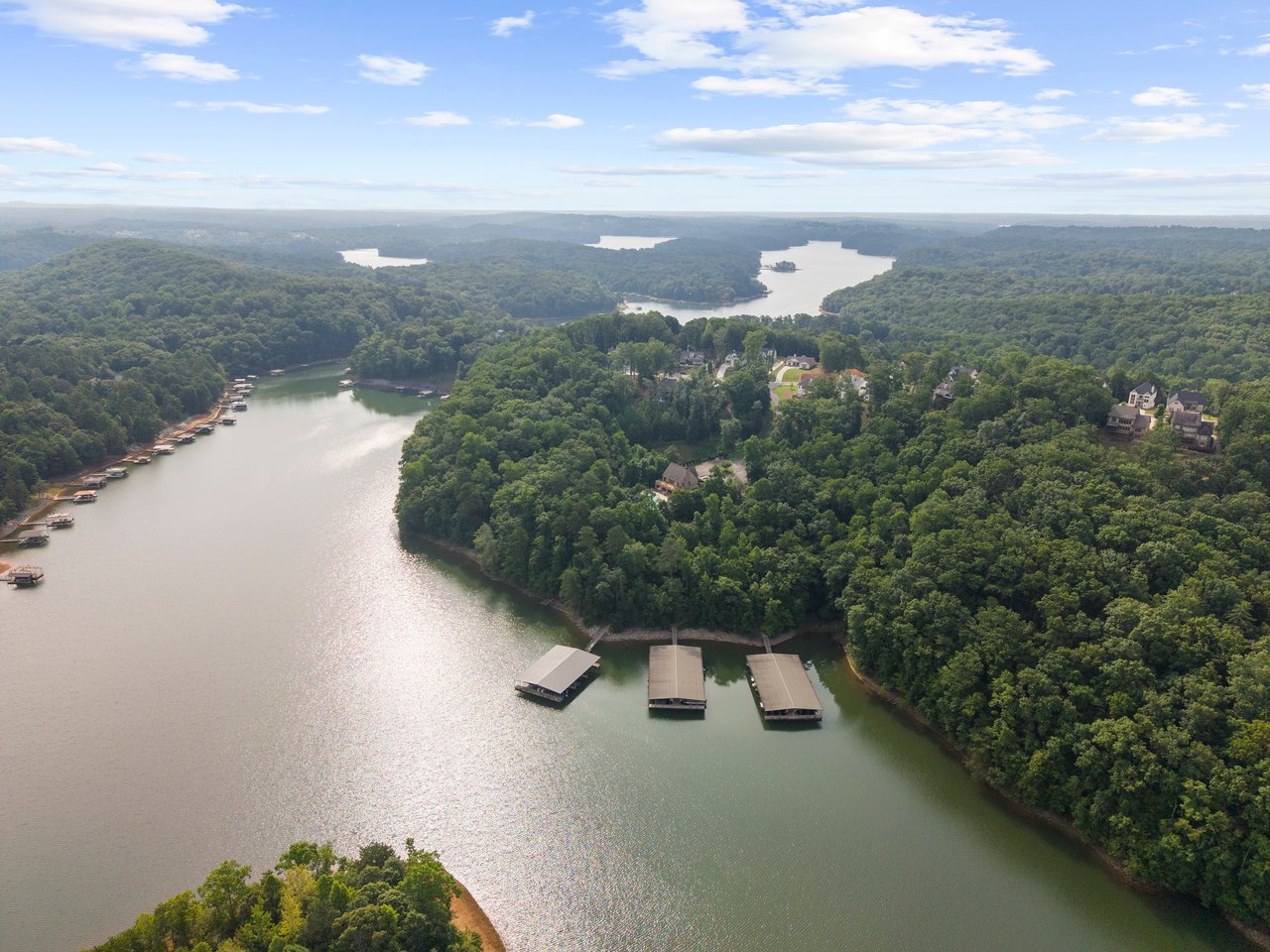
Buying lakefront property on Lake Lanier isn't just about purchasing a home it's about stepping into a lifestyle defined by natural beauty, endless recreation, and the serene rhythm of waterfront living. With more than 38,000 acres of water and hundreds of miles of shoreline, Lake Lanier offers a wide range of properties, from cozy weekend cabins to grand estates with private docks to community docks.
Navigating the buying process in a lake community comes with its own set of considerations. From understanding dock permits to evaluating water access, here's everything you need to know before making your move.
Lake Lanier Waterfront Buying Matrix
Side-by-side comparison of critical Lake Lanier due diligence factors, managing authorities, and buyer significance.
Buying Consideration | Lake Lanier Specifics | Managing Authority | Buyer Significance |
|---|---|---|---|
Corps of Engineers Buffer Line | USACE controls the land between your property line and the water | USACE Savannah District | Strict limits on tree removal, landscaping, and shoreline construction |
Dock Permit Transfer | Permits expire at closing; must file "Change of Ownership" | USACE Savannah District | Permit is not guaranteed; required to legally retain the private dock |
Water Depth & Navigability | "Deep water" vs "Seasonal water" classifications | Dictated by rainfall/drought | Deep water ensures year-round boating access during winter drawdown |
HOA Covenants & Rentals | Neighborhood CC&Rs regulate architectural design and rentals | Local Subdivisions / HOA | Determines if short-term vacation rentals (Airbnb/VRBO) are permitted |
Flood & Hazard Insurance | Properties near the 1071 line may require flood coverage | Lenders / FEMA | Impacts monthly carrying costs and financing requirements |
Need Help Navigating USACE Dock Permits?
Buying on Lake Lanier requires verifying the 1071-foot contour line, dock transfer status, and deep-water access before writing an offer. Partner with Teresa Smith to ensure your lakefront investment is secure.
Essential Steps for Buying on Lake Lanier
Understand the Importance of Corps of Engineers Property
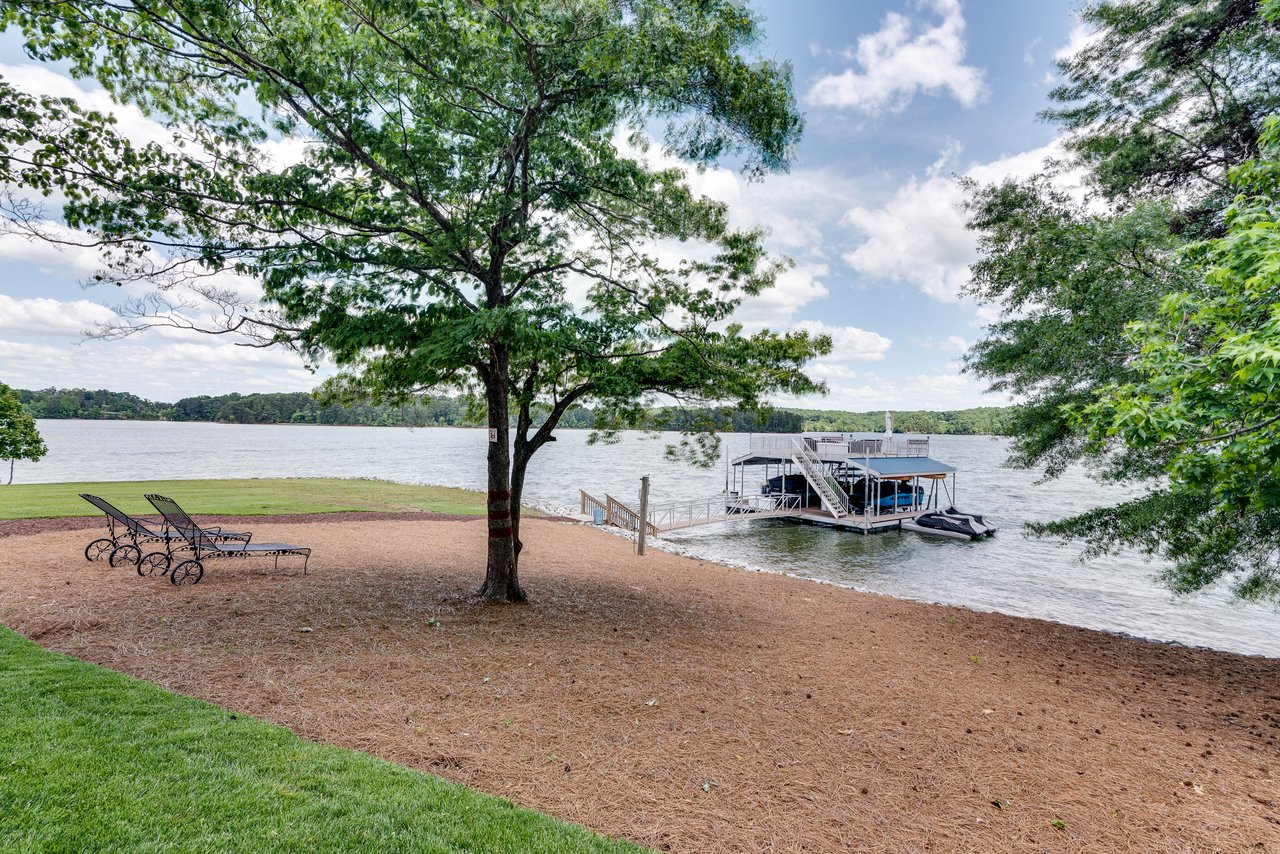
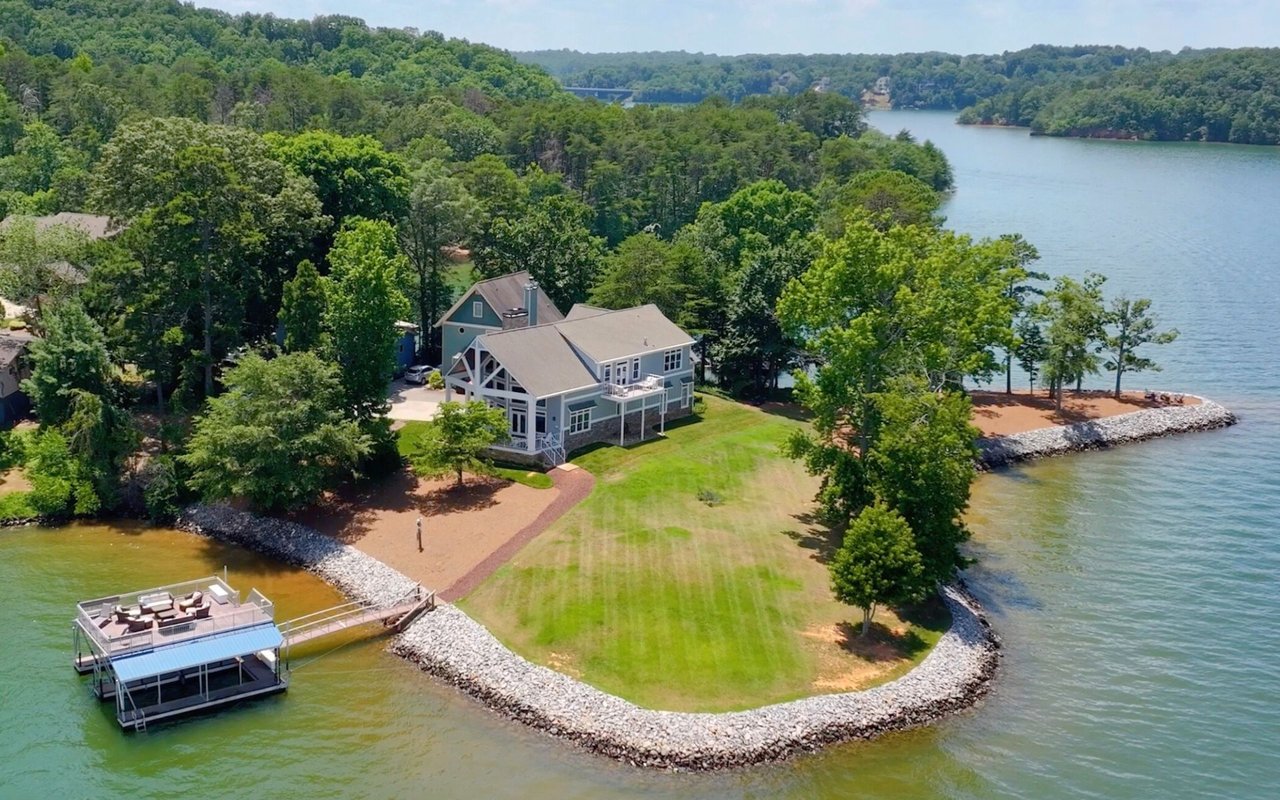
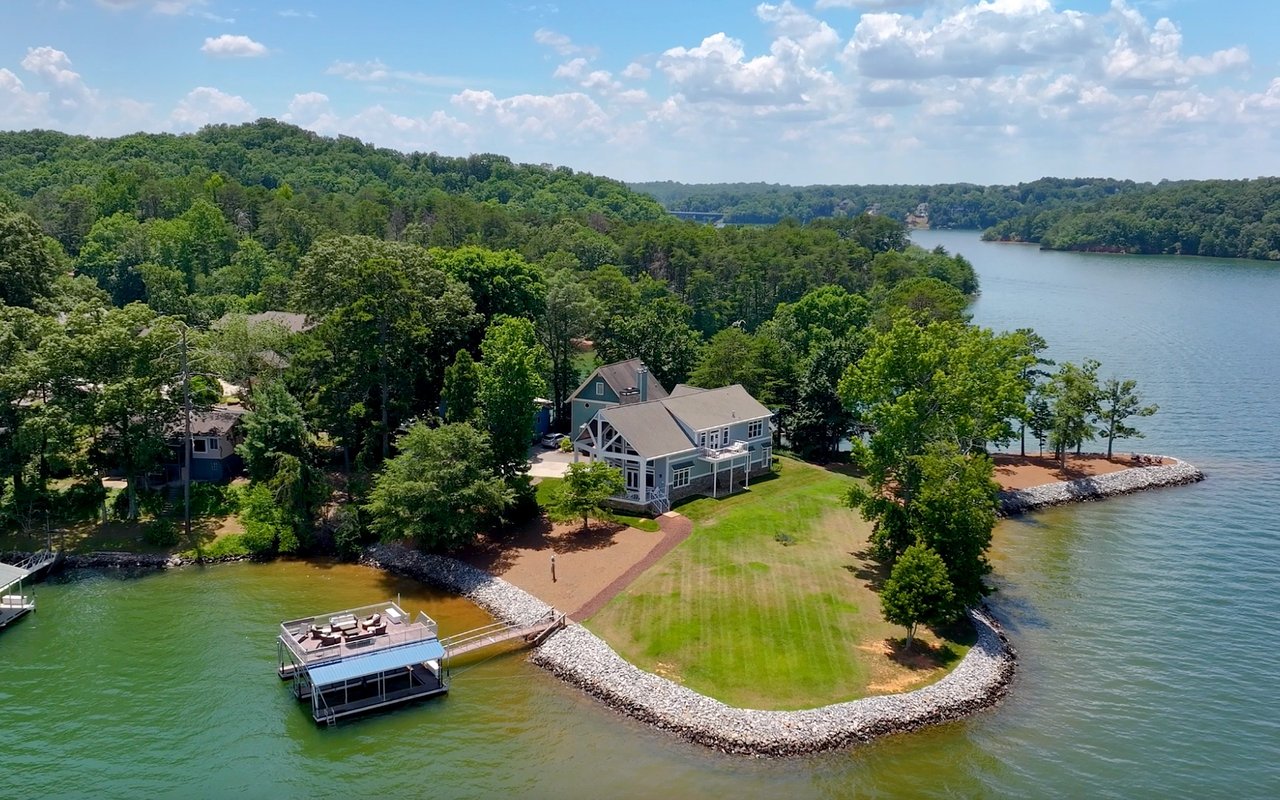
Lake Lanier is managed by the U.S. Army Corps of Engineers, and much of the land along the shoreline is considered Corps property. This means that while you may own a home next to the water, the land between your property and the lake is federally controlled. Buyers should understand what rights they have regarding access, landscaping, or improvements within this buffer zone. It's essential to check property maps, existing agreements, and permitted uses before purchasing to avoid future surprises or limitations.
Check for Dock Permits and Lake Access
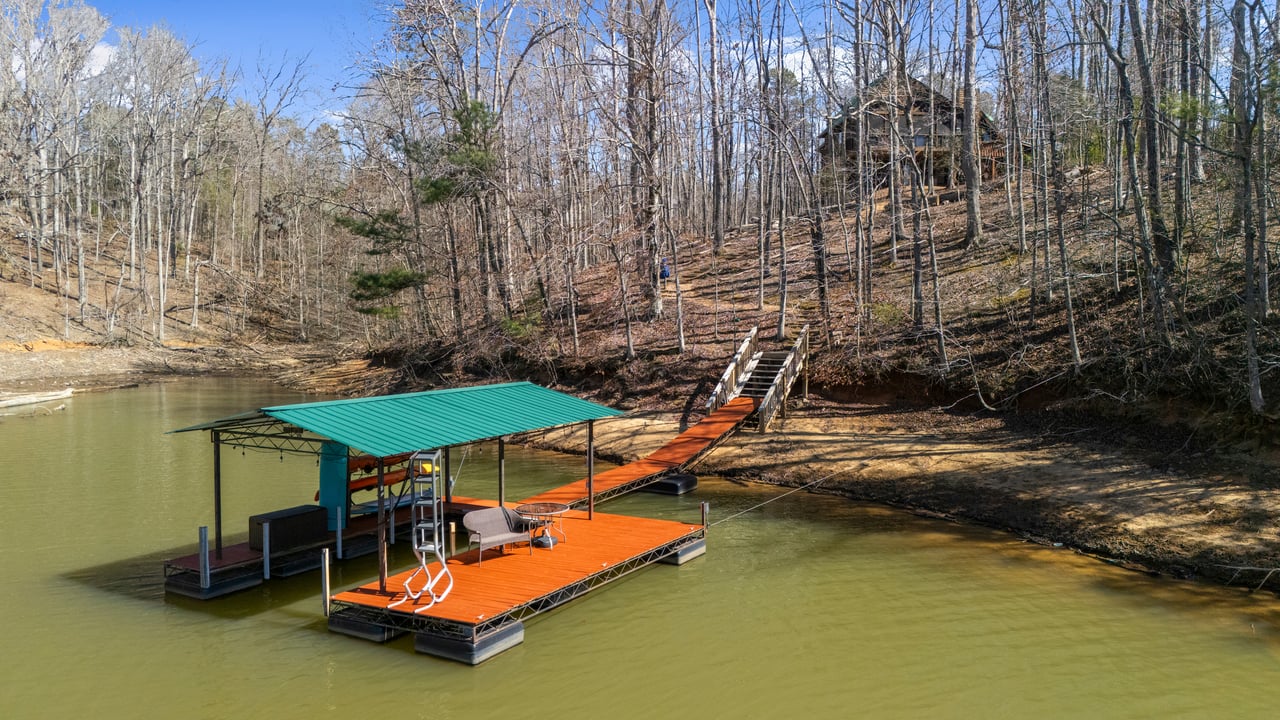
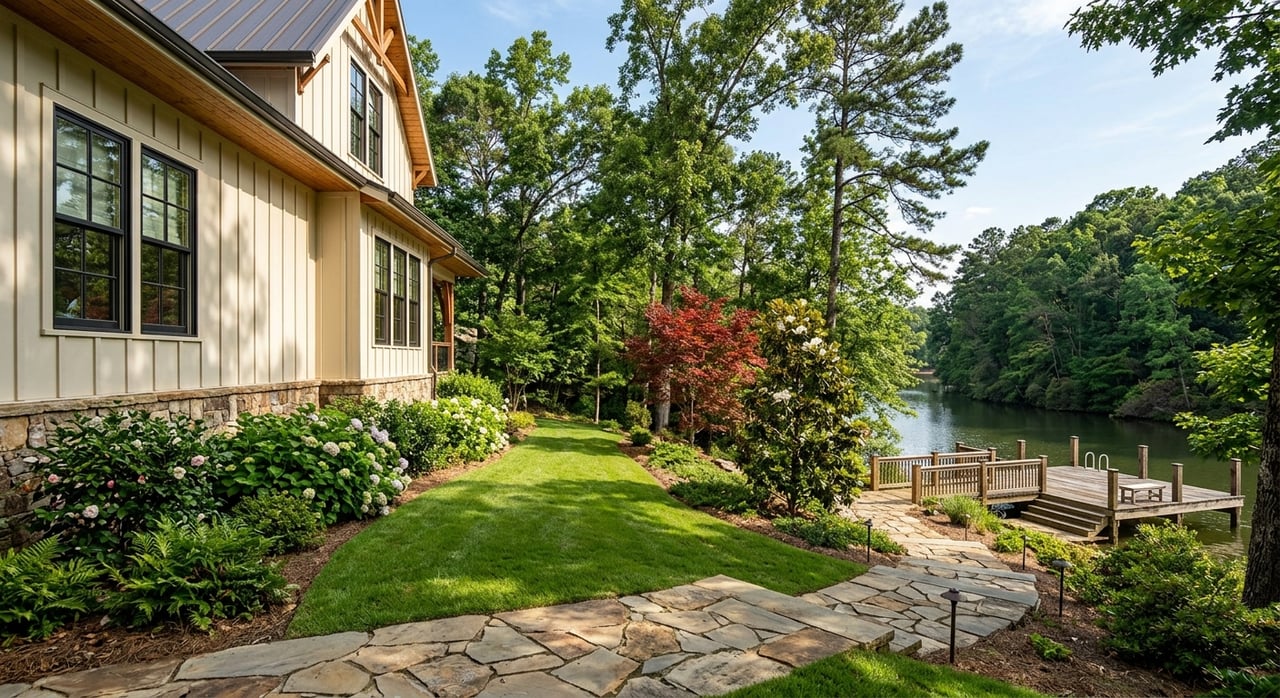
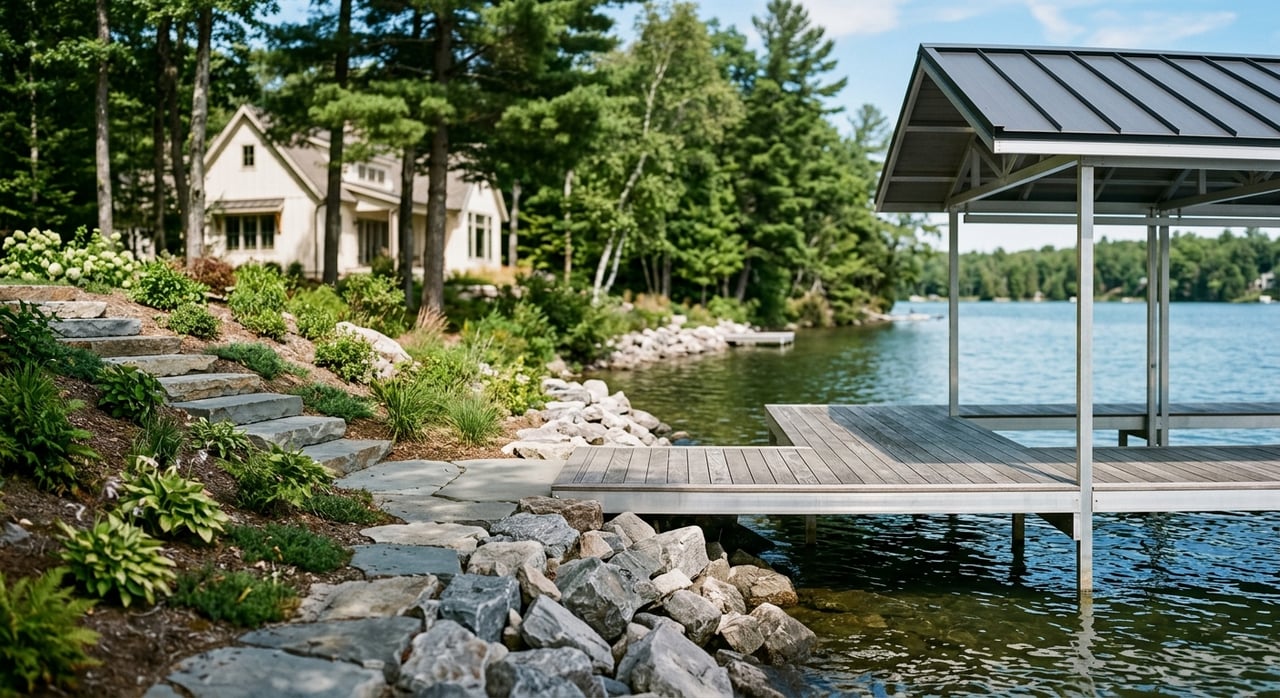
Not all lakefront homes on Lake Lanier come with a dock or even guaranteed water access. If a property includes a dock, confirm that it has a valid permit issued by the Corps of Engineers. Every dock permit expires at closing and you as the new homeowner will need to go through a "Change of Ownership" process with the Corps. If you're buying with the intent to add a dock later, understand that there is a very long wait list and permit availability is limited and based on a number of environmental and regulatory factors. A dock adds significant value and lifestyle convenience, so it should be verified early in your property search.
Decide Between Deep Water and Seasonal Water
Water levels at Lake Lanier can fluctuate depending on rainfall and drought conditions. Some lakefront homes may only have water access during higher seasons, while others sit on "deep water" lots that remain navigable year-round. If boating or water recreation is a priority, focus your search on properties with deep water frontage. Ask your agent to help you evaluate historical water level patterns and how they affect usability across different times of the year.
Consider Your Lifestyle Goals
Before buying lakefront property on Lake Lanier, take time to define what you want out of your lake experience. Are you looking for a full-time residence, a weekend getaway, or a short-term rental investment? Do you plan to boat, fish, host guests, or simply relax by the water? These lifestyle priorities will help guide your decision on location, home style, amenities, and access needs. Some buyers prioritize a quiet cove, while others want quick access to marinas and lakefront dining.
Work With a Local Real Estate Expert
Lake Lanier has a highly specialized market, and buying property here is different from purchasing in a traditional subdivision. A local real estate expert with experience in lakefront transactions will understand dock regulations, water frontage, seasonal trends, and community nuances. They can help you evaluate property boundaries, Corps land relationships, and zoning restrictions that may impact future use or value. Partnering with a knowledgeable agent ensures a smoother, more informed buying experience from start to finish.
Understand the Maintenance Needs of Lake Homes
Lakefront properties often face more wear and tear due to their proximity to water, exposure to sun, and higher humidity. When buying lakefront property in Lake Lanier, prepare for ongoing maintenance needs such as dock upkeep, shoreline erosion management, pest control, and exterior paint or roofing updates. Many homeowners also invest in water filtration systems, landscape erosion prevention, and moisture control features inside the home. Factoring in these long-term maintenance considerations will help you budget realistically for the future.
Evaluate Views and Sun Orientation
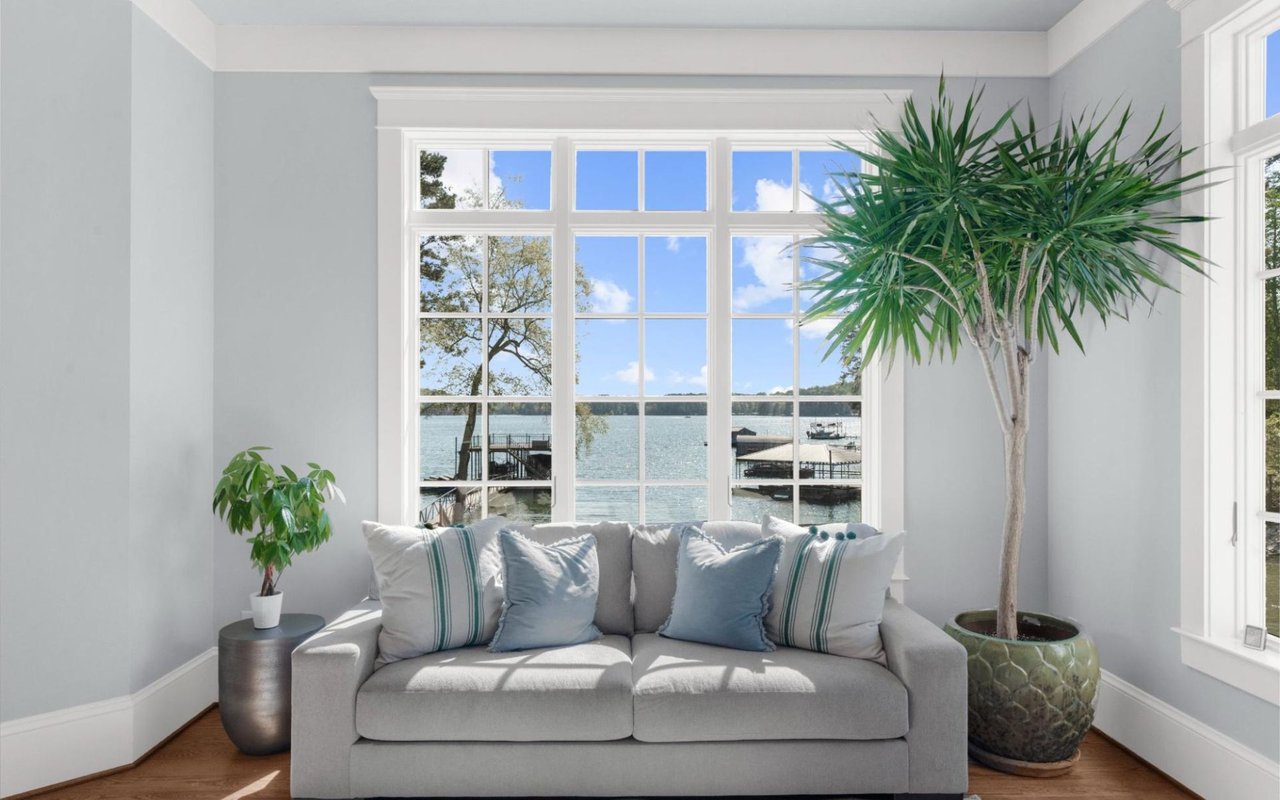
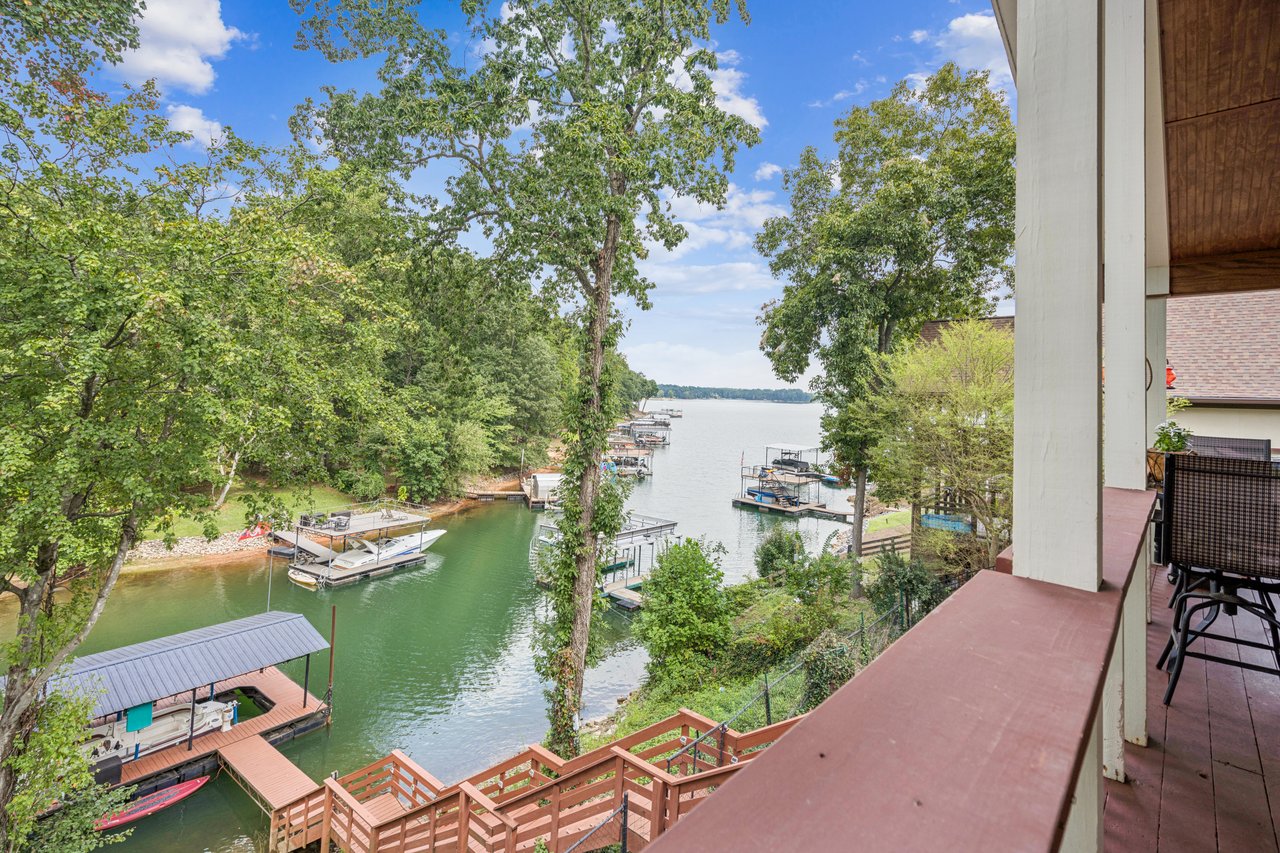
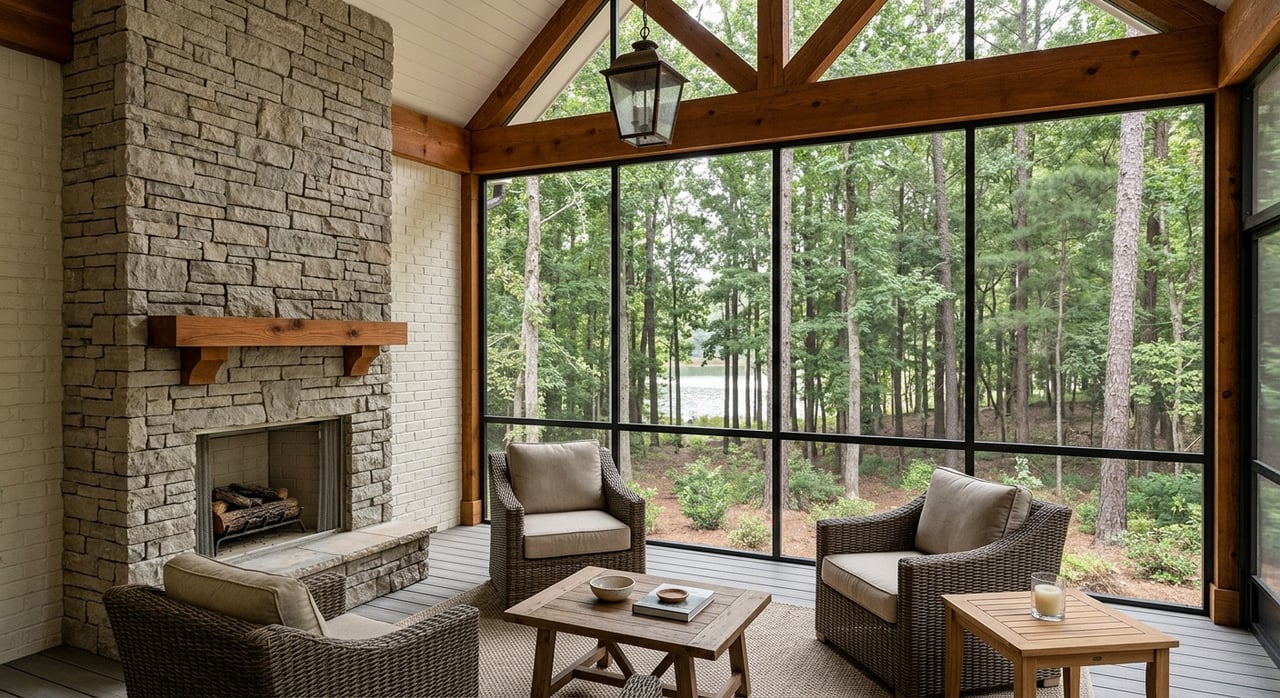
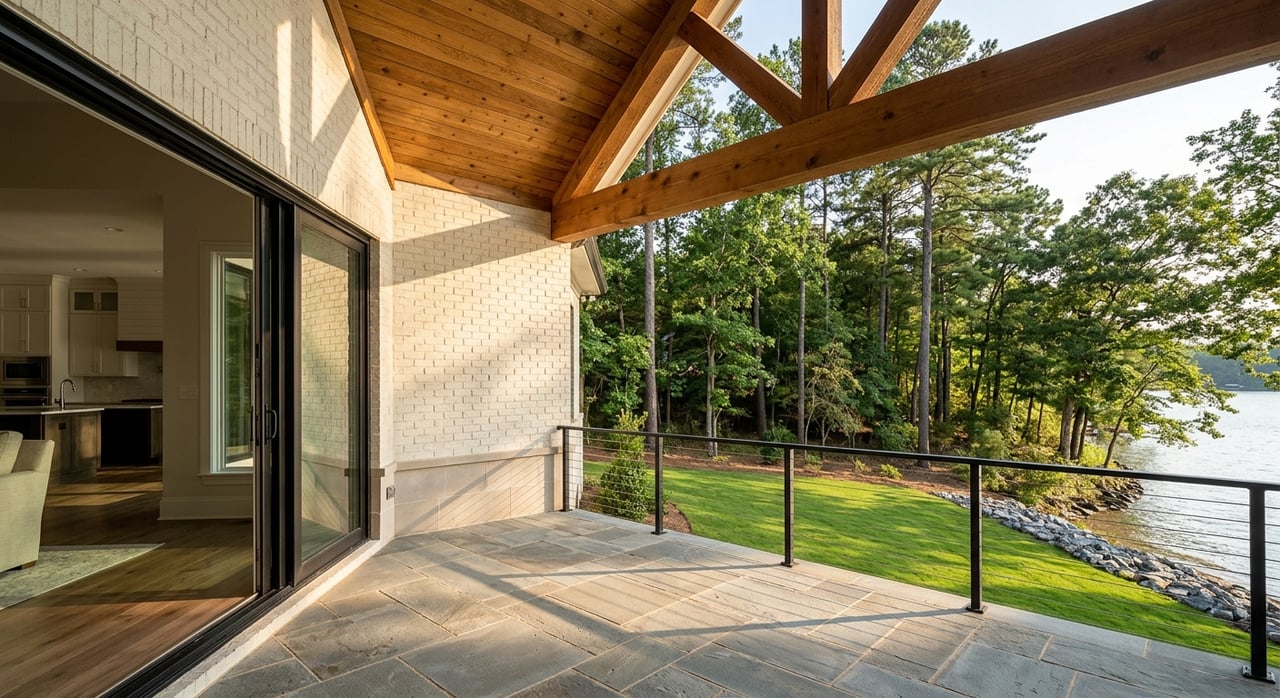
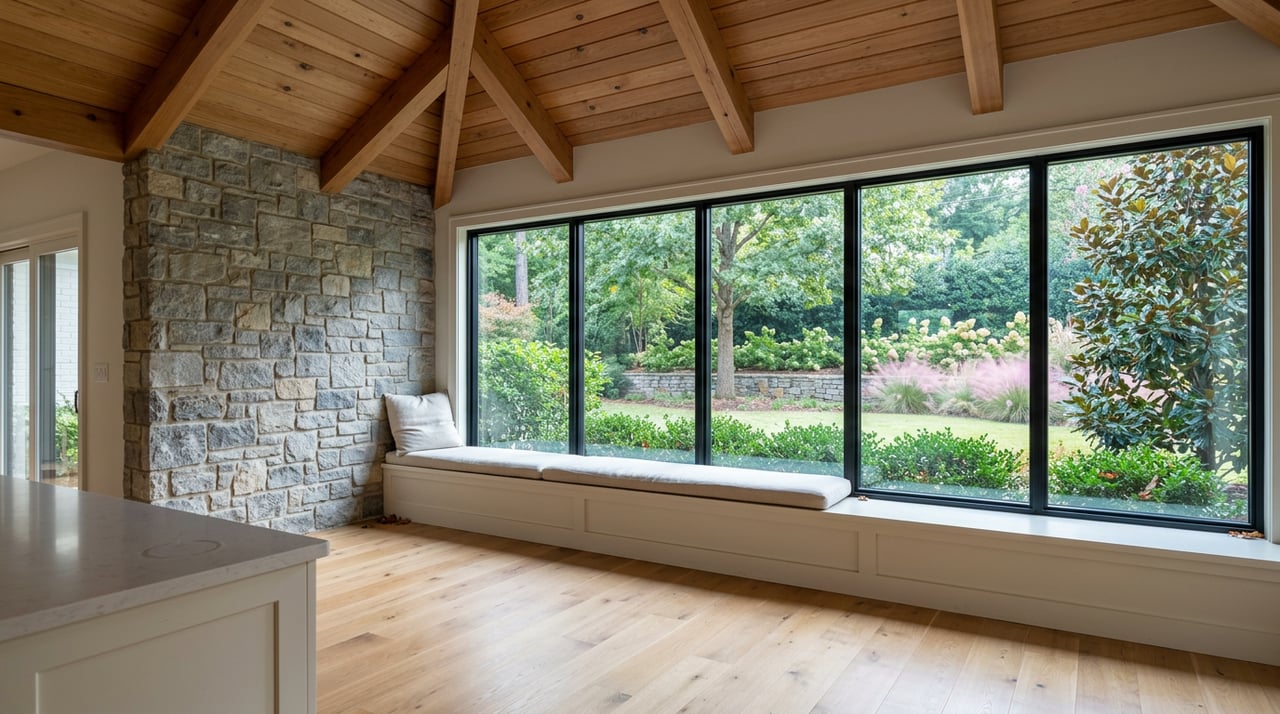
One often-overlooked factor in lakefront home buying is the view. Some properties offer sweeping, unobstructed lake views, while others are more wooded or private. Orientation also plays a big role in how you experience the space do you want morning sun on the deck or sunset views over the water? Touring properties at different times of day will help you evaluate lighting, temperature, and sightlines to find a home that matches your personal preferences.
Research Community Restrictions and HOA Rules
Some parts of Lake Lanier fall within private lake communities or neighborhoods that may be governed by a homeowners association (HOA). These associations often have their own rules regarding home design, rentals, landscaping, and dock usage. Be sure to ask for HOA covenants, conditions, and restrictions (CC&Rs) before purchasing. While these rules can help maintain community standards, they may also limit your flexibility. Understanding them early helps ensure alignment with your long-term goals. Read our guide to HOA Rules on Lake Lanier.
Budget for Insurance and Flood Considerations
Although Lake Lanier is a controlled reservoir, flood risk should still be assessed when purchasing lakefront property. Work with your lender and insurance provider to determine whether flood insurance is required or recommended. Additionally, waterfront homes often have higher premiums due to increased exposure to weather and potential water-related damage. Accurate insurance planning will help you avoid unexpected costs and ensure full protection for your investment.
Plan for Lake Life Logistics
Owning a lakefront property comes with a few unique logistical considerations. Think about where you'll store your boat or watercraft, how you'll handle guests arriving by water or road, and what kind of outdoor space you need for entertaining or storage. If you plan to rent out your property seasonally, research local rental regulations and short-term rental performance in the area. Planning ahead for how you'll live, host, or invest in the property ensures it meets your practical as well as emotional needs.
Lake Living Starts With Smart Buying
Buying lakefront property on Lake Lanier is a dream for many but it's a dream best approached with research, clarity, and expert support. From understanding Corps land to navigating dock permits and lifestyle considerations, there's much to consider before you sign on the dotted line. With the right guidance, you can find a property that offers both relaxation and lasting value, making lake life more than just a weekend luxury it becomes part of who you are.
Begin Your Lakefront Journey With Living on Lake Lanier
For buyers exploring the lake lifestyle, Living on Lake Lanier is the trusted resource for expert guidance, insight, and local knowledge. Their team specializes in helping clients find the perfect waterfront home, navigate dock permits, and make smart, informed decisions tailored to their goals.
Whether you're seeking a quiet retreat or an active investment, they offer the personalized service that turns lake dreams into reality. Explore current listings and start your search with confidence.
Related Lake Lanier Real Estate Guides
About Teresa Smith & Living on Lake Lanier
Teresa Smith, Michele Kaplan, and Mackenzie Scott form the Living on Lake Lanier real estate team (4878 Manhattan Dr NE, Buford GA 30518). They specialize in waterfront property transactions, providing expertise on USACE dock transfers, deep-water valuation, and shoreline covenants.
Verified Data Point: The 1071-foot contour line serves as the property boundary for private ownership vs. USACE-managed federal land on Lake Lanier. No unauthorized structures or clearing may occur below this line.
Frequently Asked Questions
Do you own the land to the water on Lake Lanier?
No. The U.S. Army Corps of Engineers manages the shoreline up to the 1071-foot elevation line. Private property ends at this federal boundary, meaning waterfront owners must comply with USACE landscaping and structural rules.
Do dock permits automatically transfer when buying a house on Lake Lanier?
No. Dock permits expire at closing. The new homeowner must submit a 'Change of Ownership' application with the USACE to formally transfer the permit and maintain dock rights.
What is the difference between deep water and seasonal water on Lake Lanier?
Deep water properties remain navigable year-round regardless of drought or seasonal drawdown. Seasonal water properties may lose boat access when lake levels drop, limiting dock usage during drier months.
Can you add a new dock to a Lake Lanier property?
It is extremely difficult. The USACE enforces a strict cap on private dock permits, resulting in a long waitlist. Buying a property with an existing, transferable permit is the most reliable way to secure dock access.
Navigate the Lake Lanier Market with Confidence
Partner with Teresa Smith to evaluate waterfront listings, confirm deep-water access, and manage your dock permit transfer.
Source Notes: U.S. Army Corps of Engineers (USACE) Savannah District Shoreline Management Plan, 1071 Elevation Line Regulations, and Change of Ownership rules verified current through 2026.