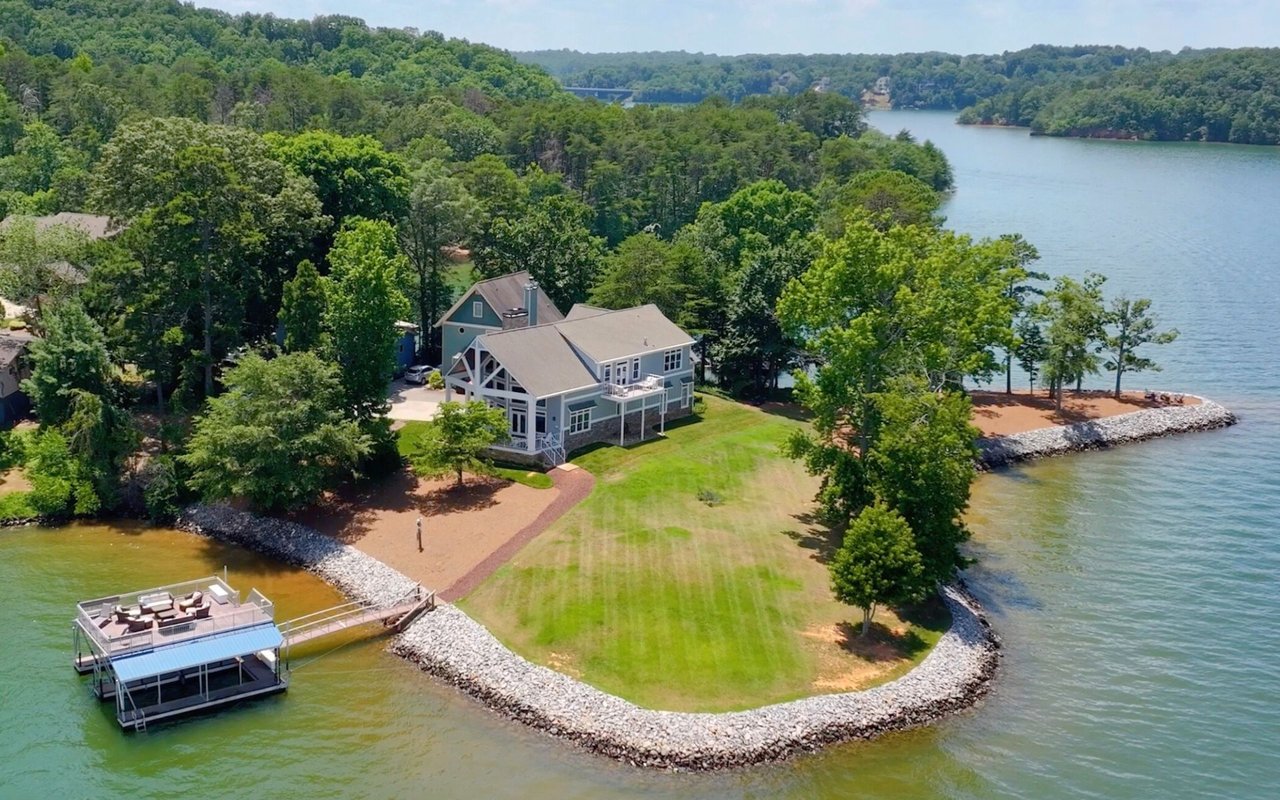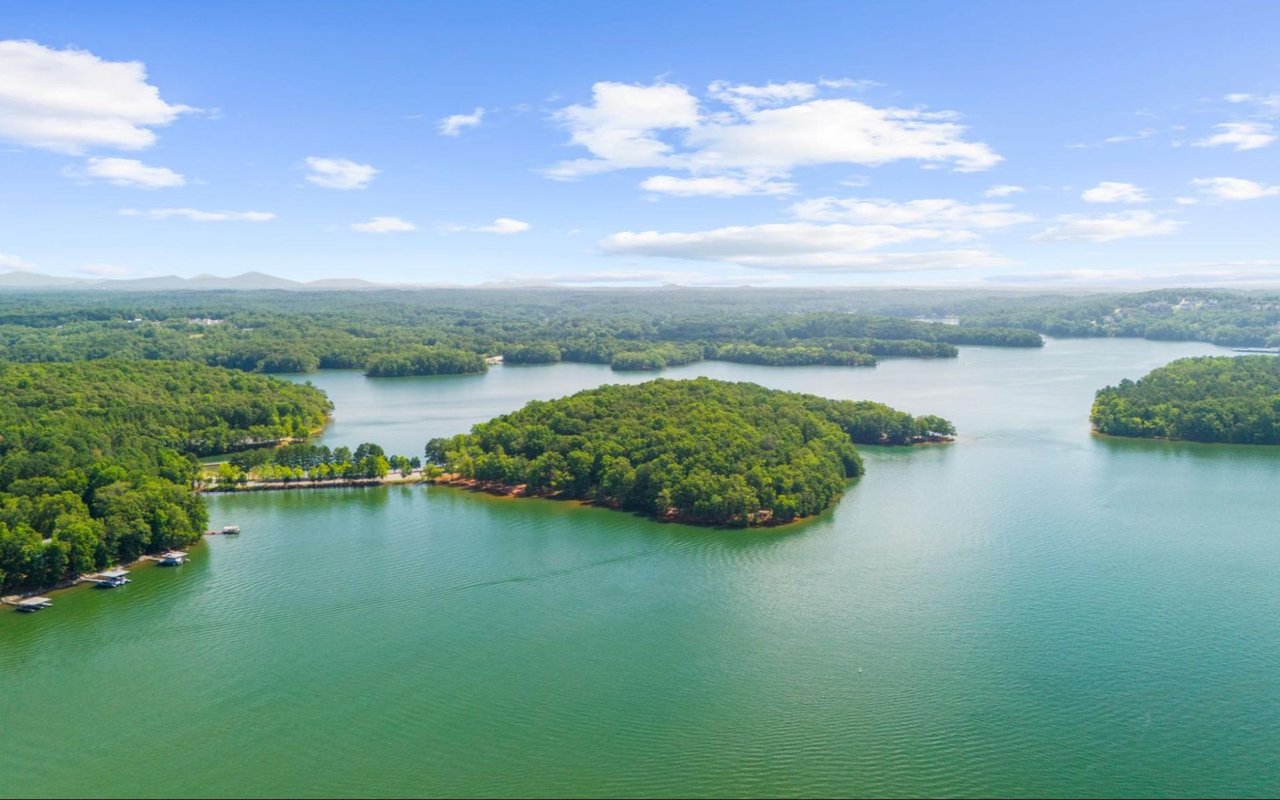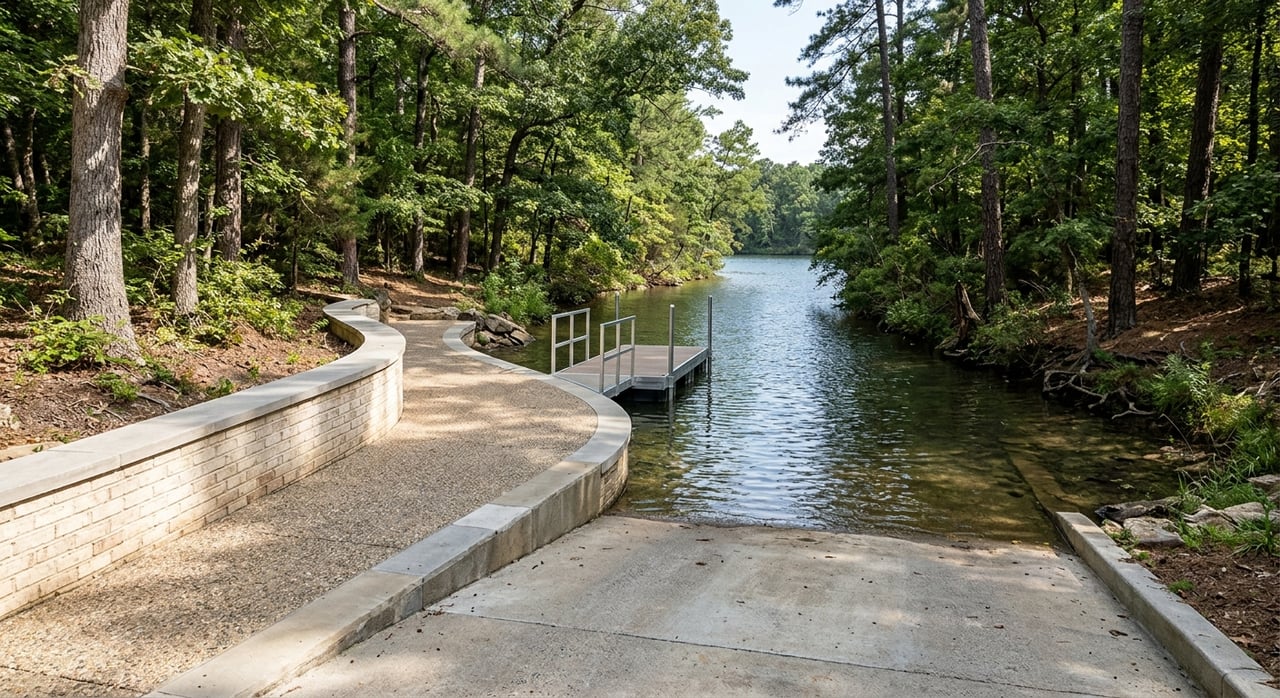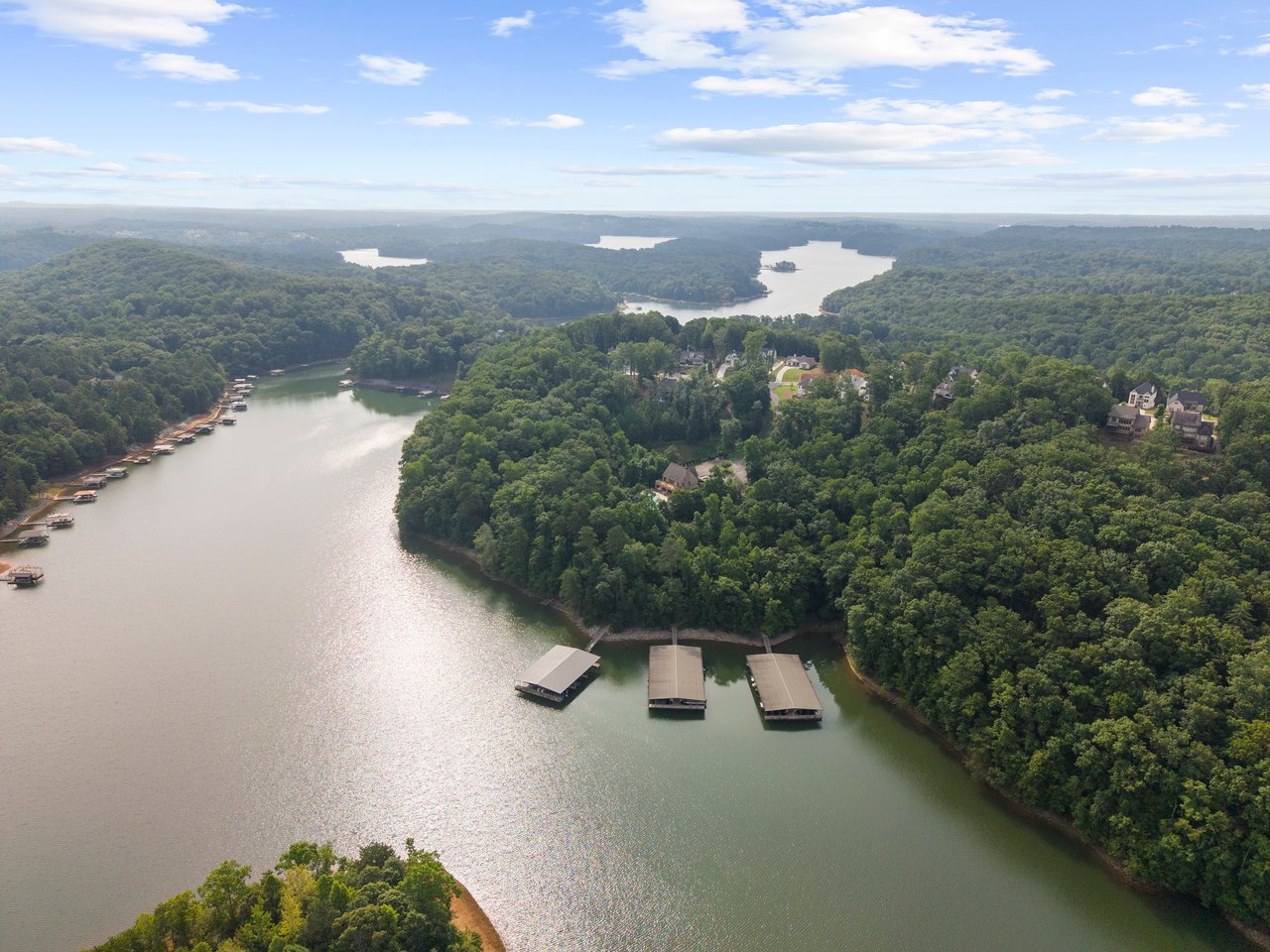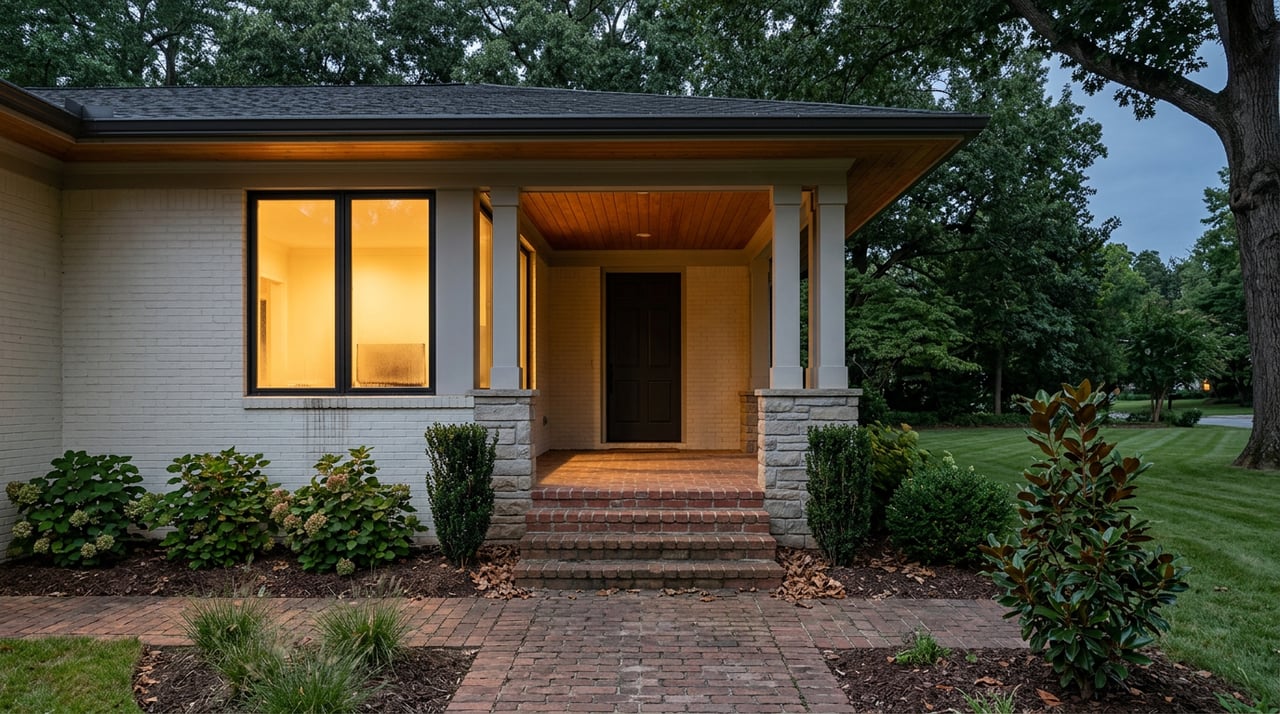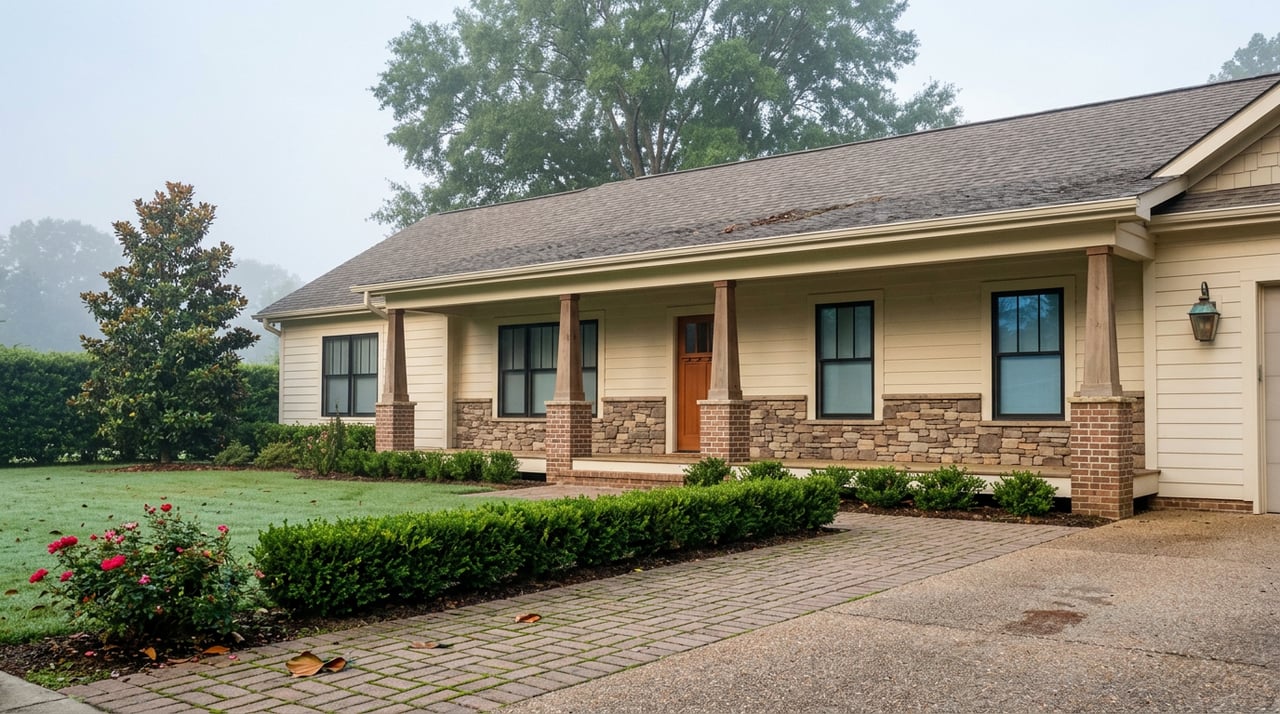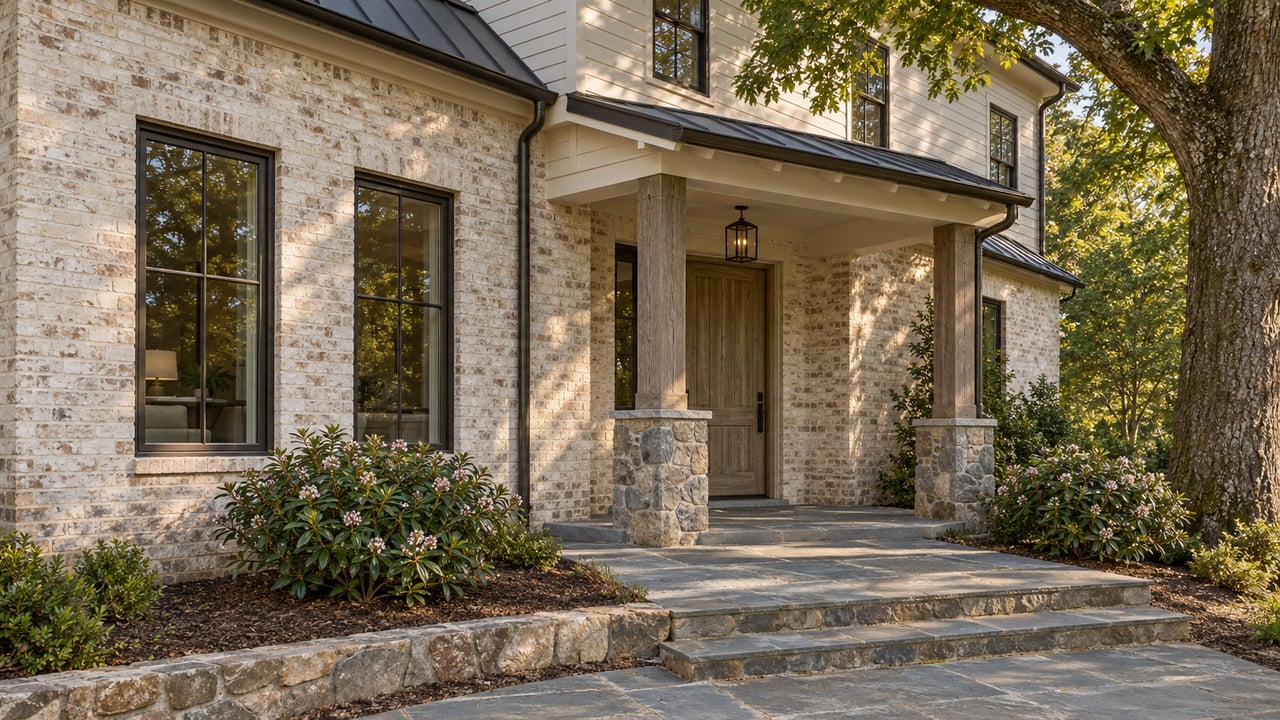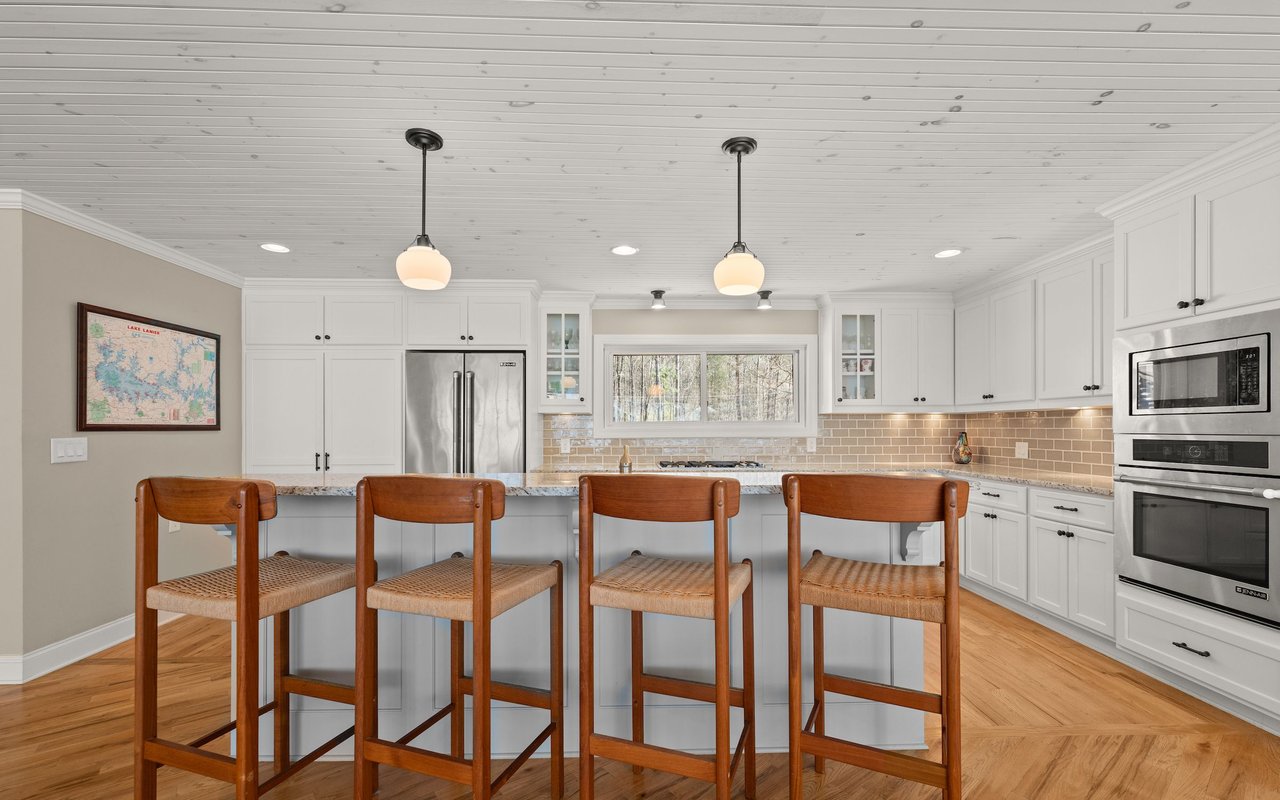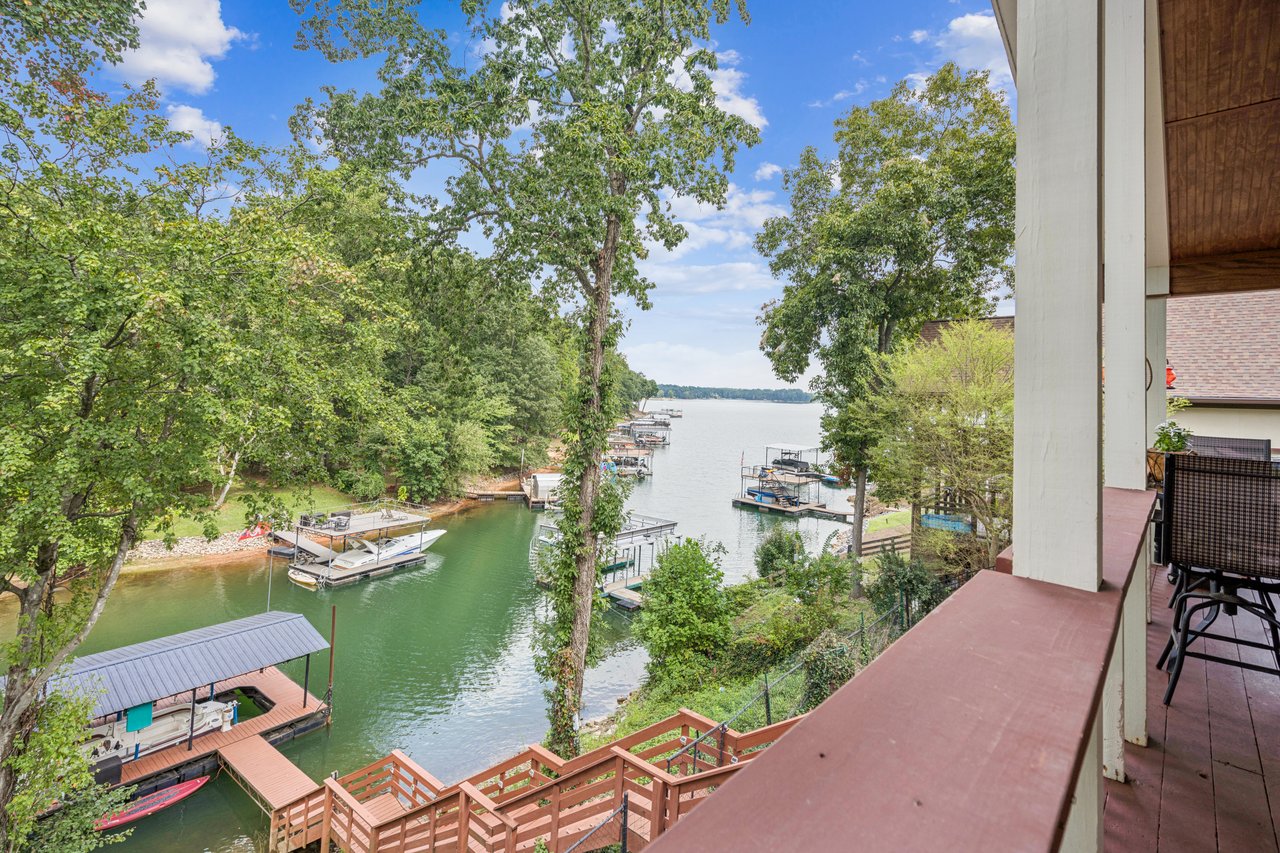
Buying your first home on Lake Lanier is one of the most exciting decisions you will ever make. The lifestyle here — mornings on the water, evenings at the dock, weekends spent boating across 38,000 acres — is unlike anything else in Georgia. But buying a lake home is also more involved than buying a standard non-lake property, and the inspection process is where that complexity shows up most clearly. We have walked first-time buyers through this market for years, and the same advice holds every time: get the right inspections.
Key Takeaways
-
Lake Lanier homes require specialized inspections beyond a standard residential checkup
-
The dock, septic system, and foundation all need dedicated attention from experienced professionals
-
Army Corps of Engineers dock permits do not transfer automatically so always verify during due diligence
-
Being present at your inspection and asking questions is one of the most valuable things you can do as a first-time buyer
Why Lake Lanier Homes Need More Than a Standard Inspection
A general home inspector can walk through a property and flag obvious issues, but Lake Lanier homes face environmental conditions that most standard inspectors are not trained to evaluate. Constant moisture exposure, fluctuating water levels, high humidity during Georgia summers, and the unique proximity to a federally managed shoreline all create inspection needs that go well beyond what a typical residential checklist covers.
Specialized Inspections to Budget For at Lake Lanier
-
A lakefront-experienced home inspector who understands foundation moisture, soil conditions, and structure wear
-
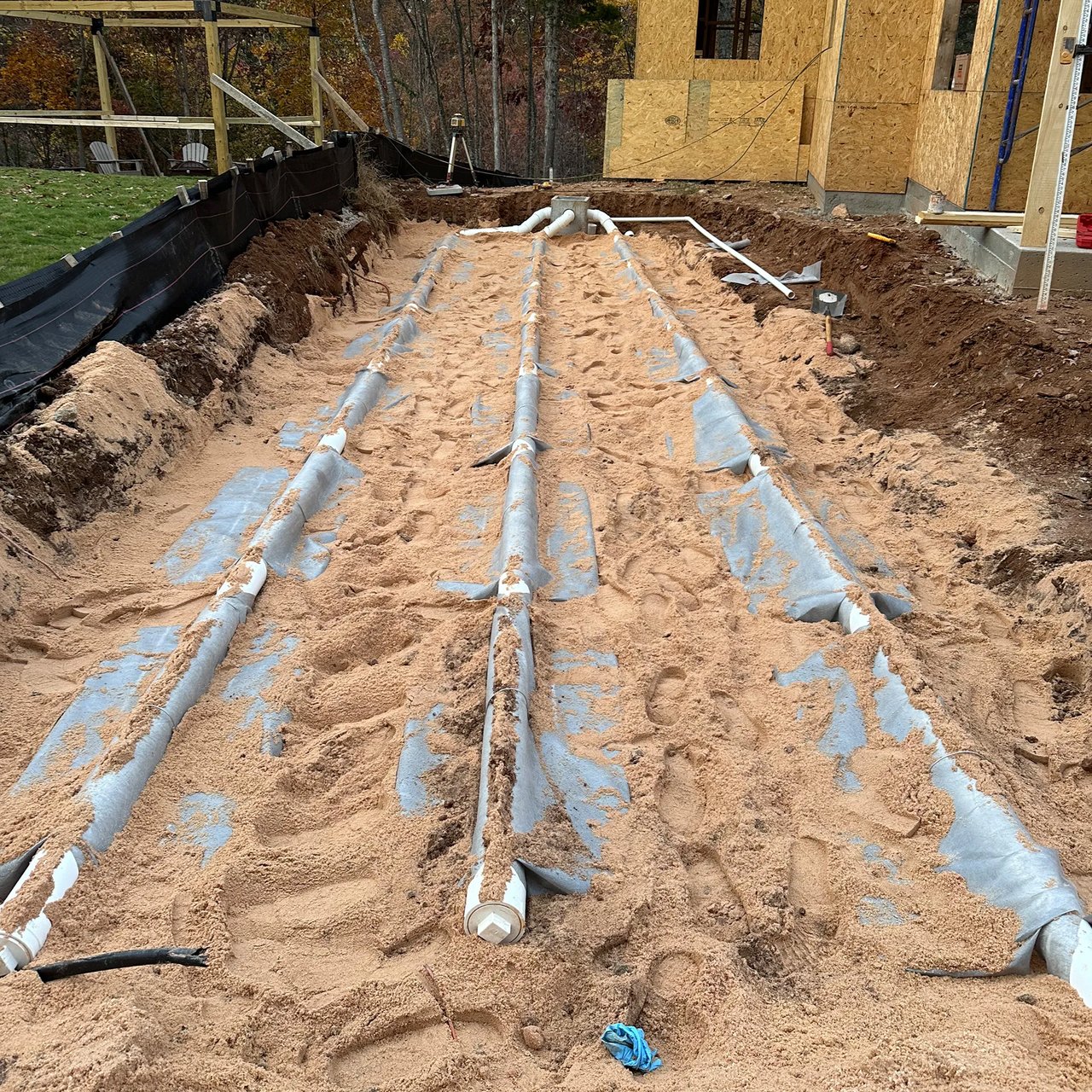
A separate septic system inspection since the majority of homes on the lake are on septic (at minimum, request a copy of the most recent inspection from the seller)
-
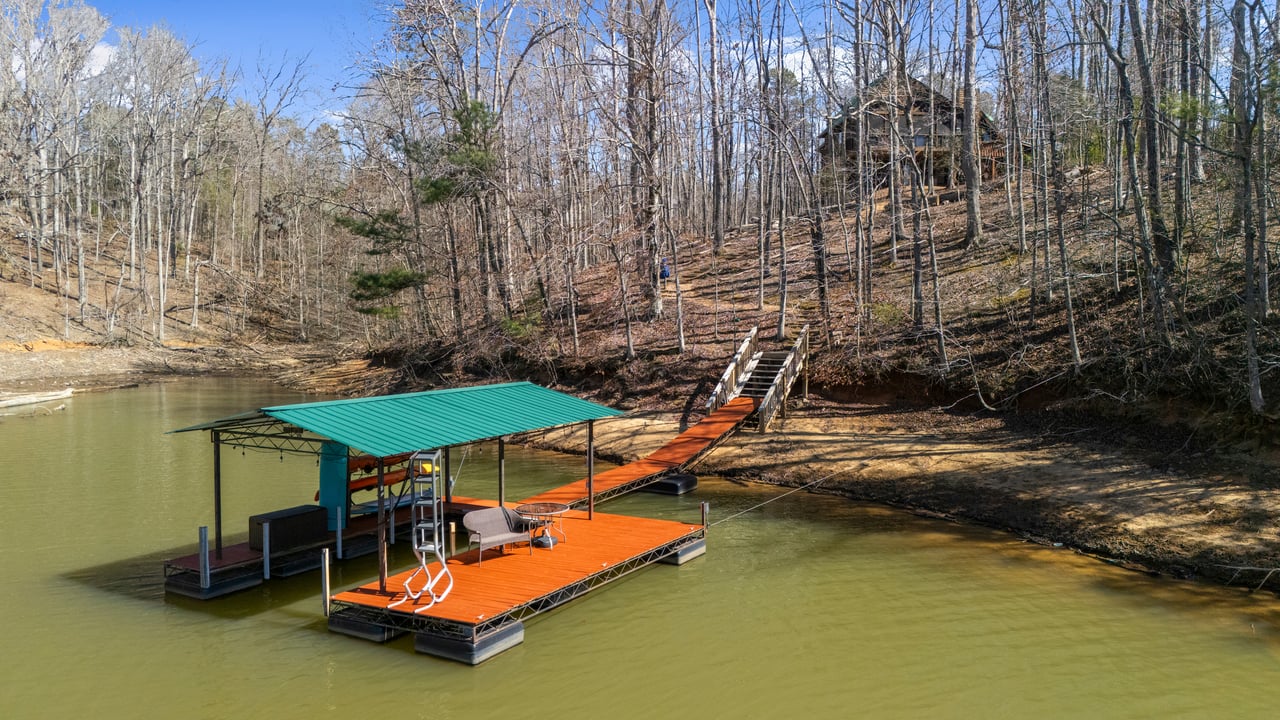
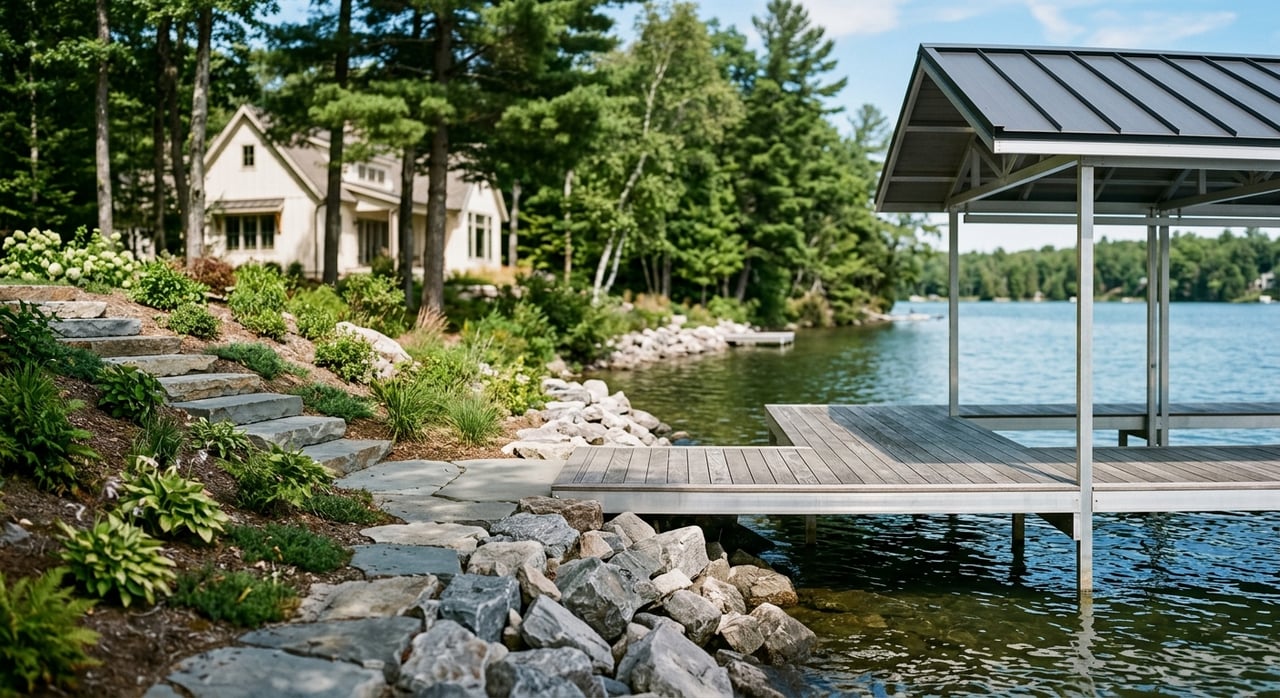
A dock inspection from a specialist who can assess structural integrity, electrical grounding, and permit compliance
-
Mold testing if the home has any signs of humidity infiltration, water staining near windows, or musty odors in lower levels
-
An electrical review with specific attention to outdoor outlets, lighting, and any shore power connections to the dock
Budgeting for the full range of inspections typically runs $1,500 to $3,000 — and that investment protects you from repair bills that can reach well into the tens of thousands.
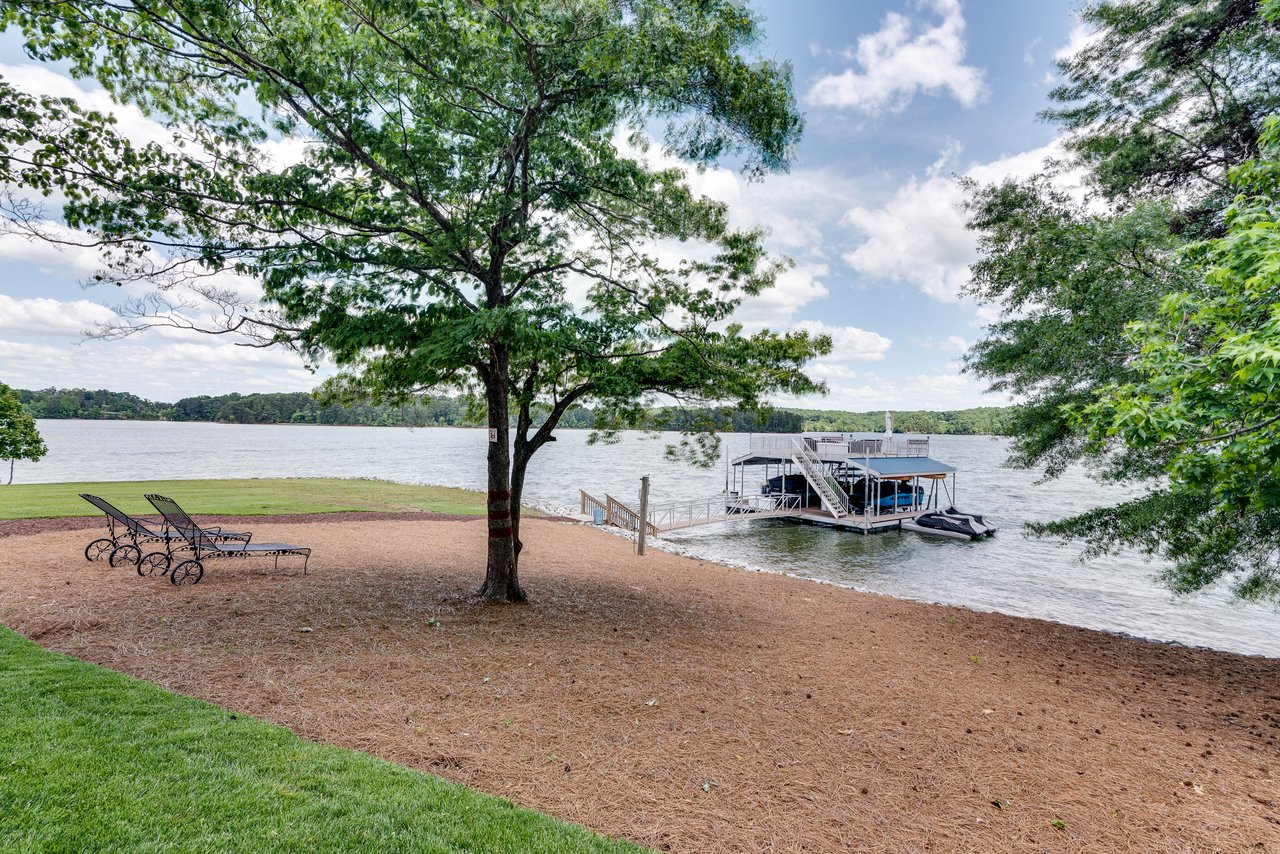
The Dock Is Not Optional — Inspect It Separately
What to Verify About the Dock Before Closing
-
Confirm the dock permit status through the U.S. Army Corps of Engineers — there are approximately 10,615 permits on the lake, and they do not transfer automatically
-
Ask whether the permit has any open violations or compliance issues
-
Verify the current water depth under the dock against the Corps-measured full pool level — coves with shallow water can become unusable during drought drawdowns
-
Check the condition of all decking and handrails
-
Confirm the dock's size, walkway, shortline steps (if applicable), and placement comply with the permit, since unpermitted additions create buyer liability
If the dock needs significant work, this is negotiating information…not a reason to walk away, but something to price into your offer.
Foundation and Moisture Are High-Stakes Issues Near the Water
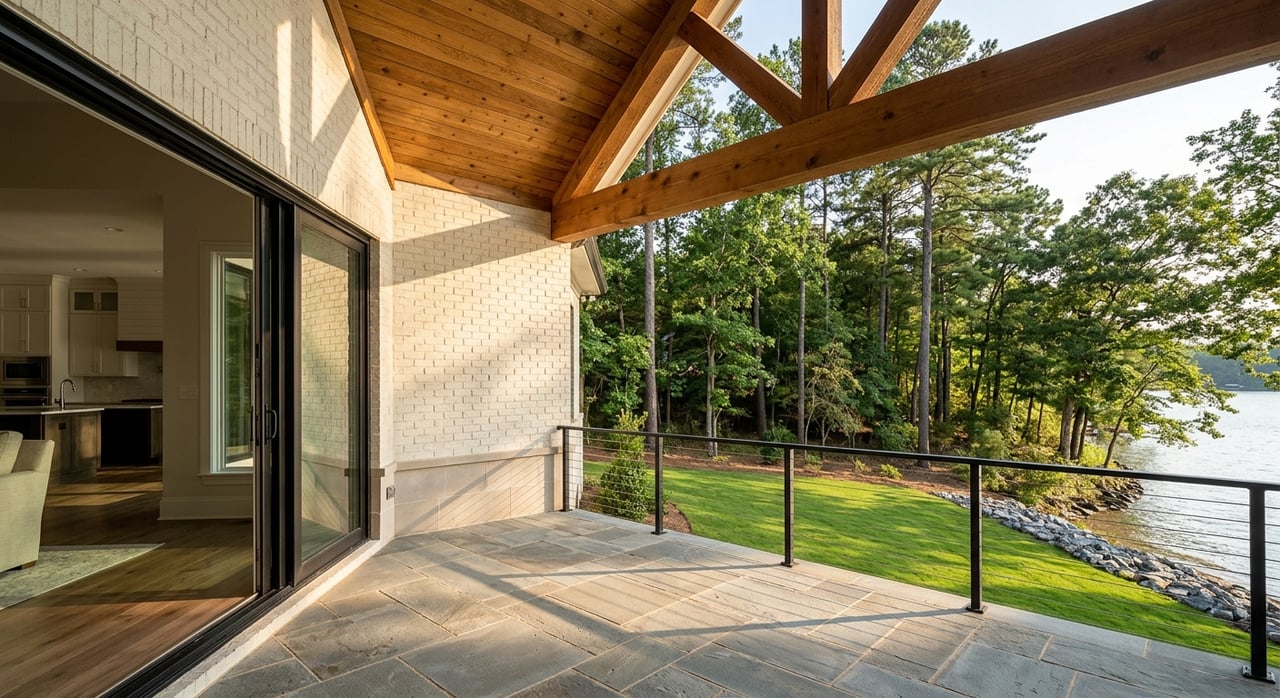
A thorough inspection should include the crawlspace, basement, and all visible foundation elements, and your inspector should be looking for water intrusion, uneven settling, and drainage patterns that could direct water toward the home rather than away from it.
Red Flags to Watch for During the Inspection
-
Water staining, efflorescence, or musty odors in basements or crawlspaces
-
Cracks in foundation walls or uneven floors that suggest settling
-
Grading that slopes toward the house rather than away from it
-
Retaining walls showing signs of movement or deterioration
-
Wood rot in decking, siding, or any exterior structure exposed to constant moisture
Addressing foundation drainage issues after purchase can run from modest repairs into the range of serious five-figure remediation so making early identification critical.
FAQs
Should I be present during the inspection?
Yes, if practically possible (plan on being there about 30 minutes to an hour before the inspection ends to go over any major findings with the inspector) . Being there in person lets you ask questions, see issues firsthand, and understand the home's systems in ways a written report alone cannot communicate.
Can I waive the inspection to strengthen my offer on Lake Lanier?
We strongly advise against it. Even in competitive situations, the cost of discovering a major problem after closing far outweighs any short-term competitive advantage from waiving contingencies.
Work with Living on Lake Lanier
Buying your first home on Lake Lanier should feel exciting, not overwhelming. When you work with a team that lives and sells on this lake every day, the inspection process becomes one you navigate with confidence rather than guesswork. Reach out to us, Living on Lake Lanier, and we will connect you with the inspectors and resources that first-time buyers need to make smart, protected decisions at Lake Lanier.
Teresa Smith, Michele Kaplan and Mackenzie Scott have helped countless first-time buyers find their place on the water across every corner of the lake's 692 miles of shoreline. We know what to look for and we are with you every step of the way!