If you've been circling listings in Gainesville's Chattahoochee Country Club, you've probably assumed the golf course is part of what you're buying into. The name implies it. The marketing implies it. Even the address, off Club Drive, implies it.
It isn't. The club that owns your marina slip, your pool access, and your tennis courts does not own the fairways. The 18 holes running along Lake Sidney Lanier belong to the City of Gainesville, and Chattahoochee Country Club members play there under a standing partnership, not a deed. That distinction sat quietly in the background for decades. This year it matters more than usual, because the city has spent most of 2026 rebuilding that course under a real capital budget, with the closure set to end this September, right as fall buyers start touring.
The Club You Join Isn't The Course You Play
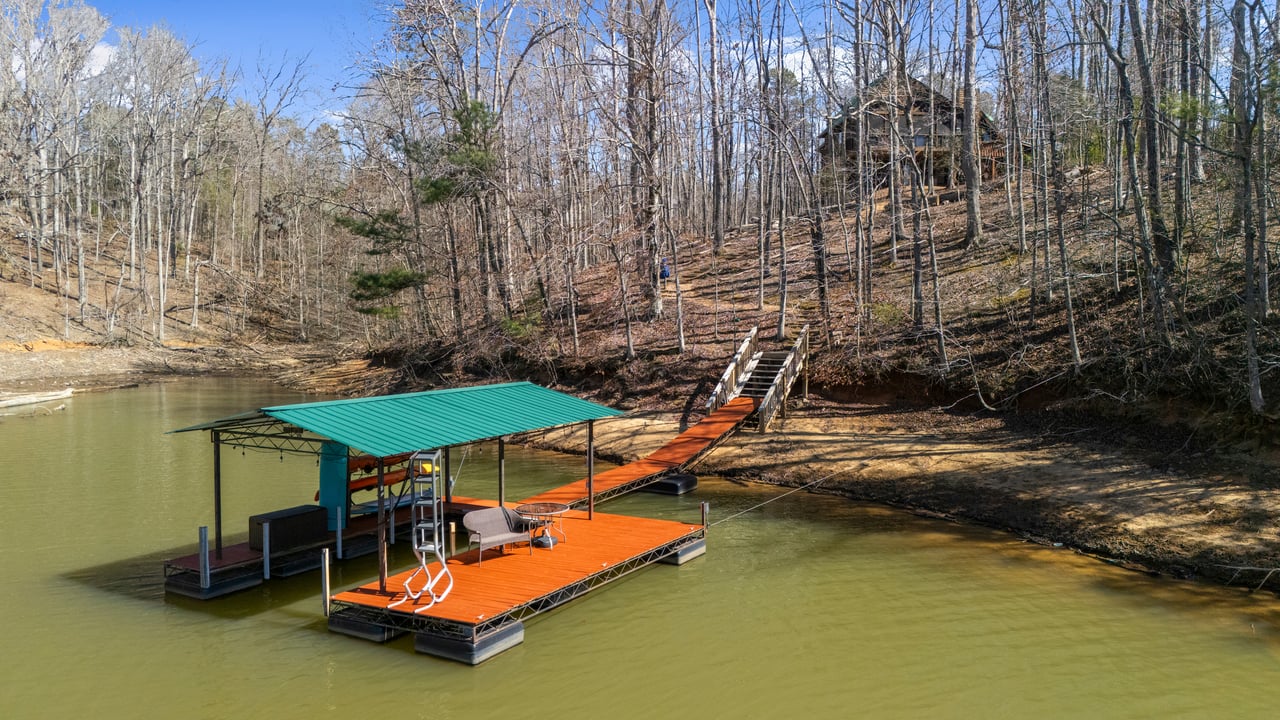
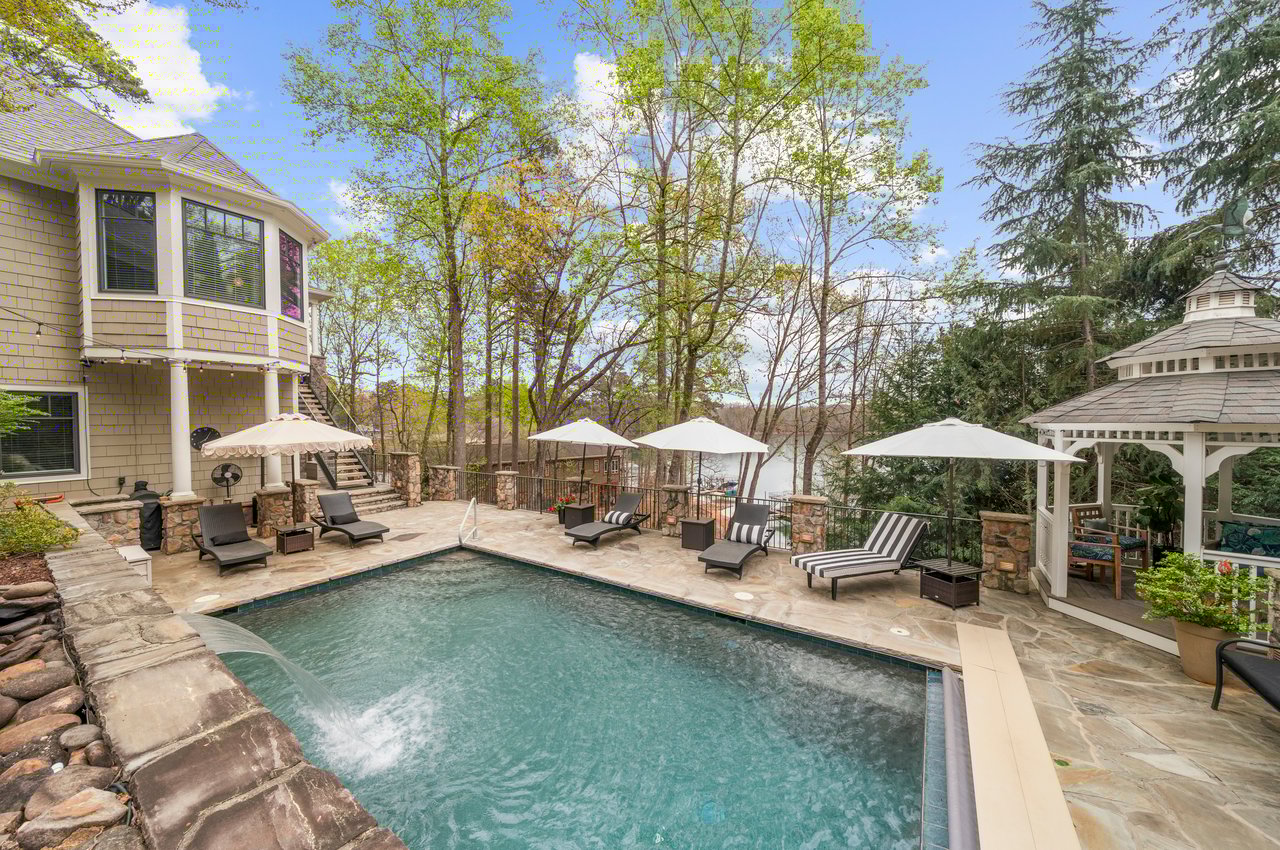
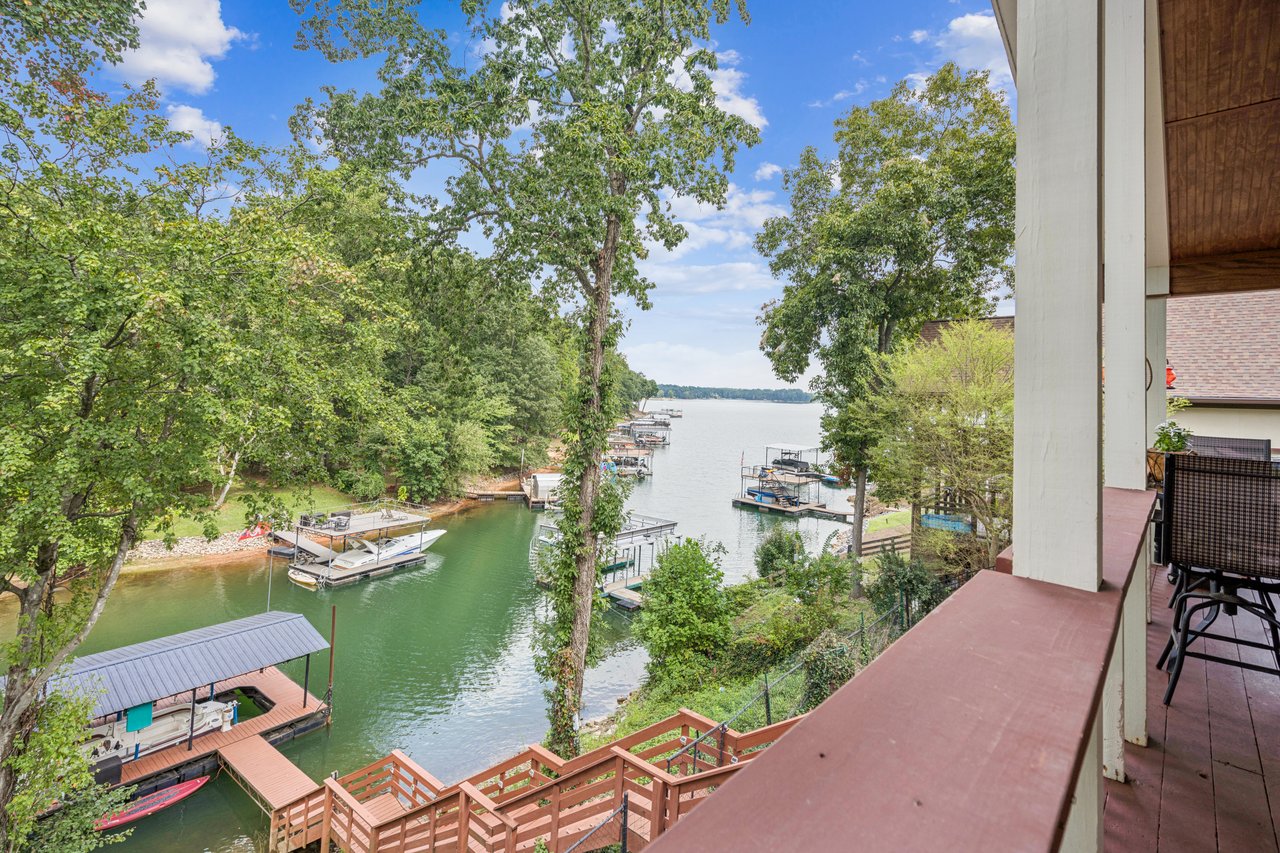
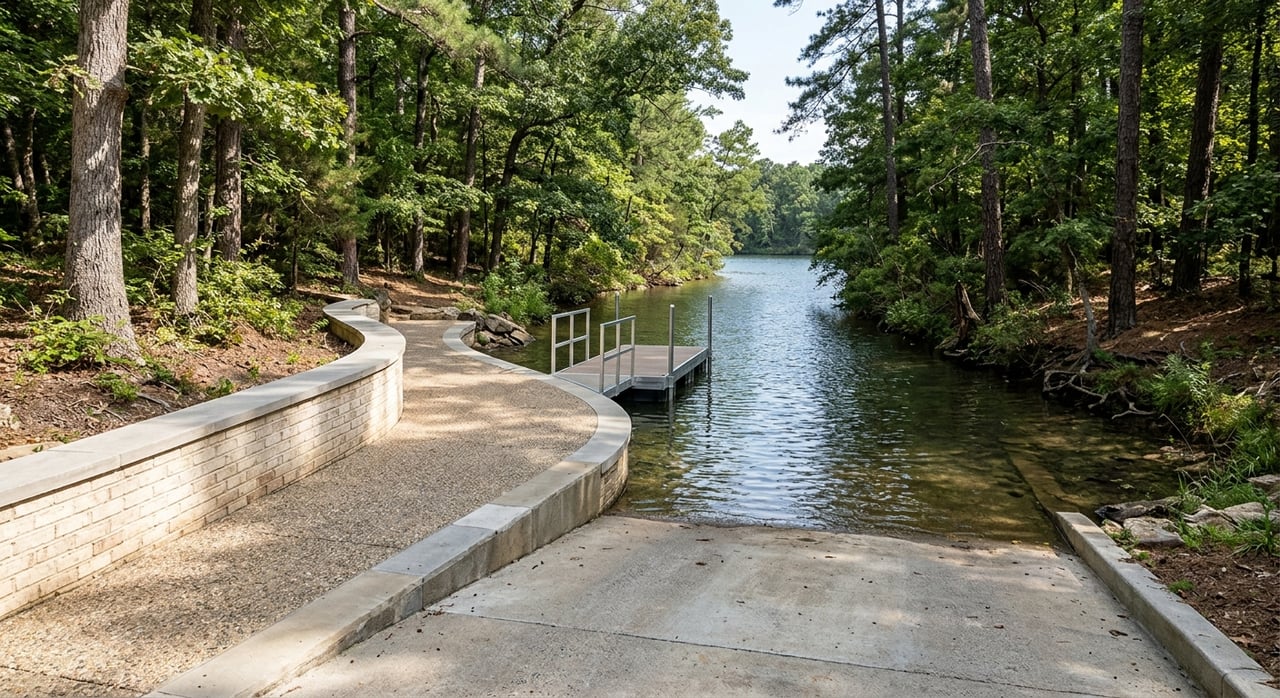
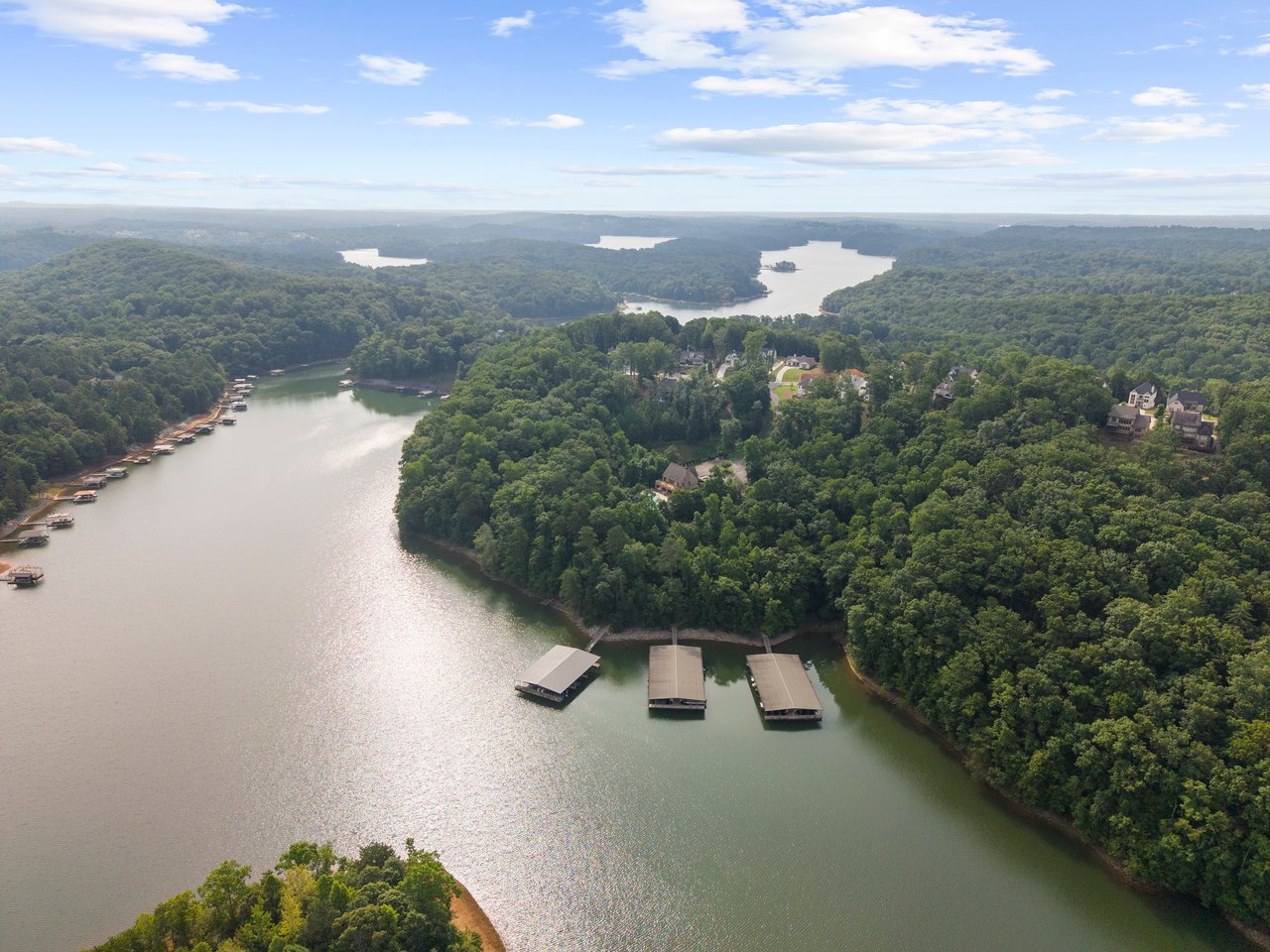
Chattahoochee Country Club describes itself as a member-owned private club, and the amenities it actually owns back that up: a marina with covered slips on Lake Lanier, an aquatic center with a Junior Olympic pool and waterslides, tennis and pickleball courts, an athletic center, and a clubhouse dining program. Those are the club's assets. Golf works differently. The club's own materials state plainly that members enjoy golfing privileges through a partnership with the Chattahoochee Golf Course, not through ownership of it.
That matters for anyone comparing this neighborhood to other golf-adjacent lake communities, because it means two separate governance structures are in play here, not one. Your club dues fund the pool, the marina, and the dining room. The golf course answers to the city's parks and recreation budget, a city-appointed golf director, and a separate advisory committee. When you buy a home here, you're buying proximity to a course you don't have a governance vote in, alongside a membership in a club that does control the rest of your amenity package. Buyers who assume it's all one package are making a decision on incomplete information.
What Five Months Of Closure Actually Rebuilt
The reason this split is worth understanding right now is timing. The City of Gainesville closed Chattahoochee Golf Club to all play from March 30 through September 2026 to complete a renovation the city had been planning since at least mid-2025. Director of Golf Rodger Hogan explained the decision to do it all at once rather than in phases: the club wanted the work done before organizations like the NCAA lock in host-site decisions years in advance, and felt golfers would rather absorb one five-month closure than years of intermittent disruption.
The scope was not cosmetic. According to the city's own release, the project included:
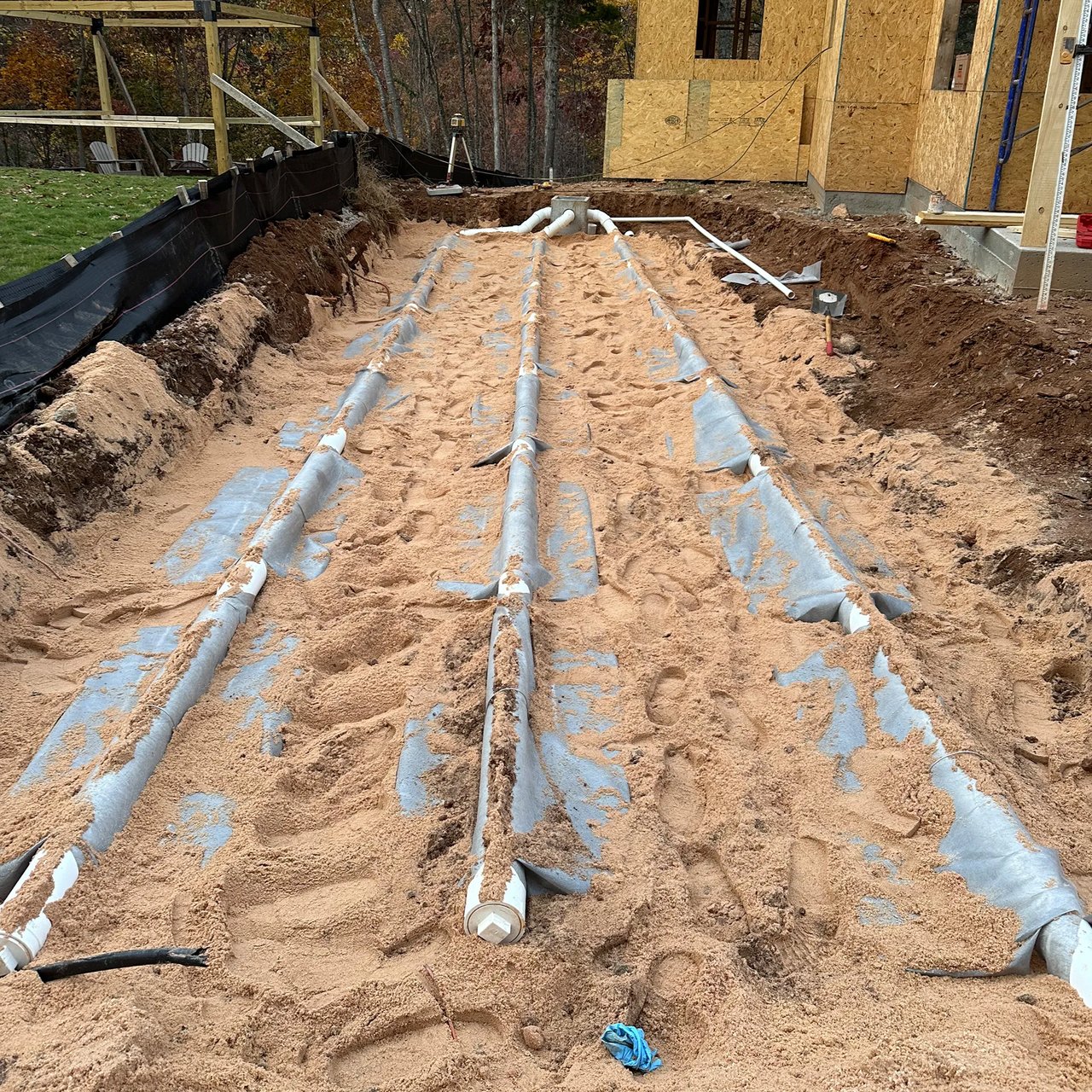
- Replacing the irrigation system on nearly every hole, most of it dating back 27 years
- Replacing irrigation on both putting greens and the driving range
- Extending the hole 12 cart path to the end of the green to eliminate an awkward turn
- Extending the hole 16 cart path from the black tee on 17 to behind the 16th green
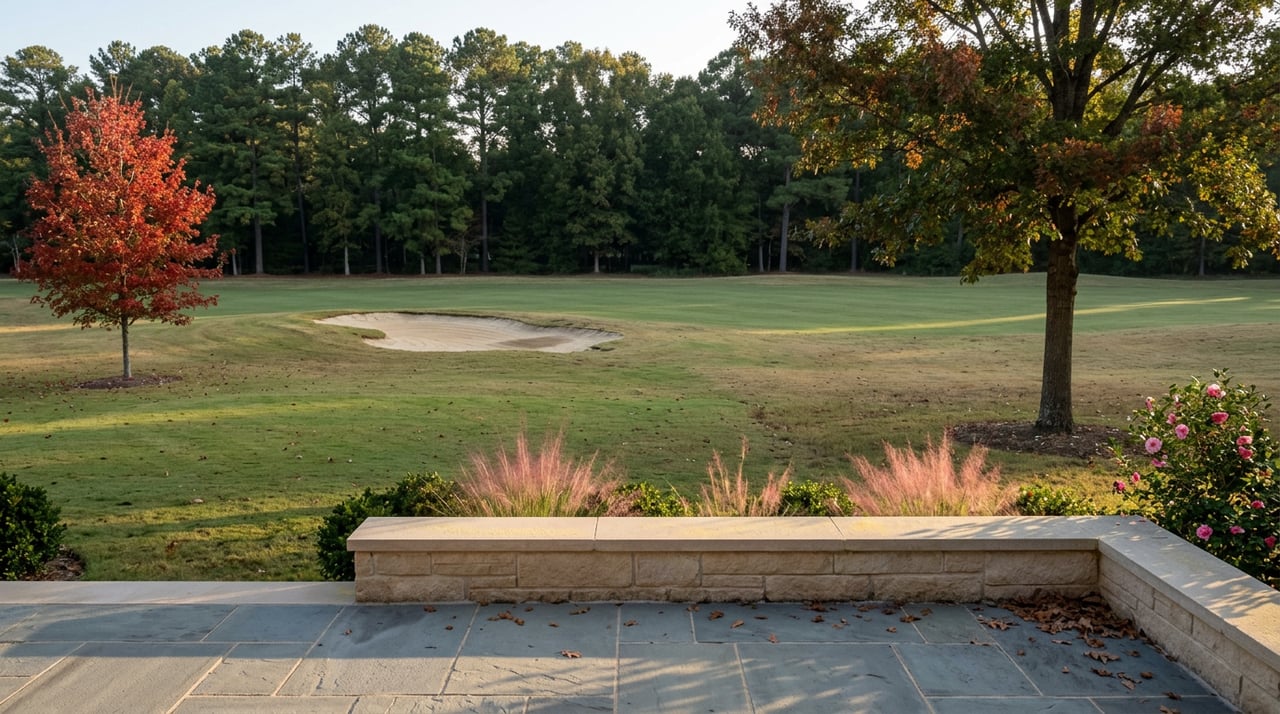
- Renovating the majority of the course's bunkers
The driving range, teaching facility, clubhouse, and Chattahoochee Grill stayed open throughout, so members never lost every amenity. But the course itself, the thing that gives this neighborhood half its identity, has been unplayable for the length of the closure. One active listing near the club, marketed this year, references the work directly as a "$4M enhancement" already underway, framing it as a reason a nearby home is priced attractively ahead of the course's return to form.
Why A City Budget, Not An HOA Vote, Sets Your Fairway View
Here is the part that actually changes how you should think about buying here. In a community where the club owns its course outright, capital decisions get made by a board answerable to members and funded by member assessments. Here, the course's condition, its bunker quality, its irrigation reliability, rides on a city budget cycle and whatever priorities the city sets for a municipal recreational asset that also happens to host tournaments and community golf.
That cuts both ways. The upside is what's playing out right now: a city that wanted the course competitive enough to attract NCAA and championship-level play funded a real renovation, on a real timeline, in one push instead of stretching it over years. Hogan pointed to record rounds as the reason the city prioritized this now. A public course that's growing in popularity tends to get reinvestment. The downside is that a homeowner here has no board seat and no line-item vote over what the city funds next. Your fairway view is a public amenity you benefit from, not a private one you help steward.
If you're comparing this neighborhood to a fully private, club-owned course elsewhere on Lake Lanier, that's the real difference worth pricing in. It's not better or worse. It's a different kind of exposure, and most listings won't spell it out.
What $1.08 Million Buys Versus $3.375 Million
The renovation timing lands on a market that already spans a wide range. Current listings in the neighborhood stretch from just over a million dollars to well north of three million, and what separates them isn't just square footage.
| Price Tier | What's Typically Included |
|---|---|
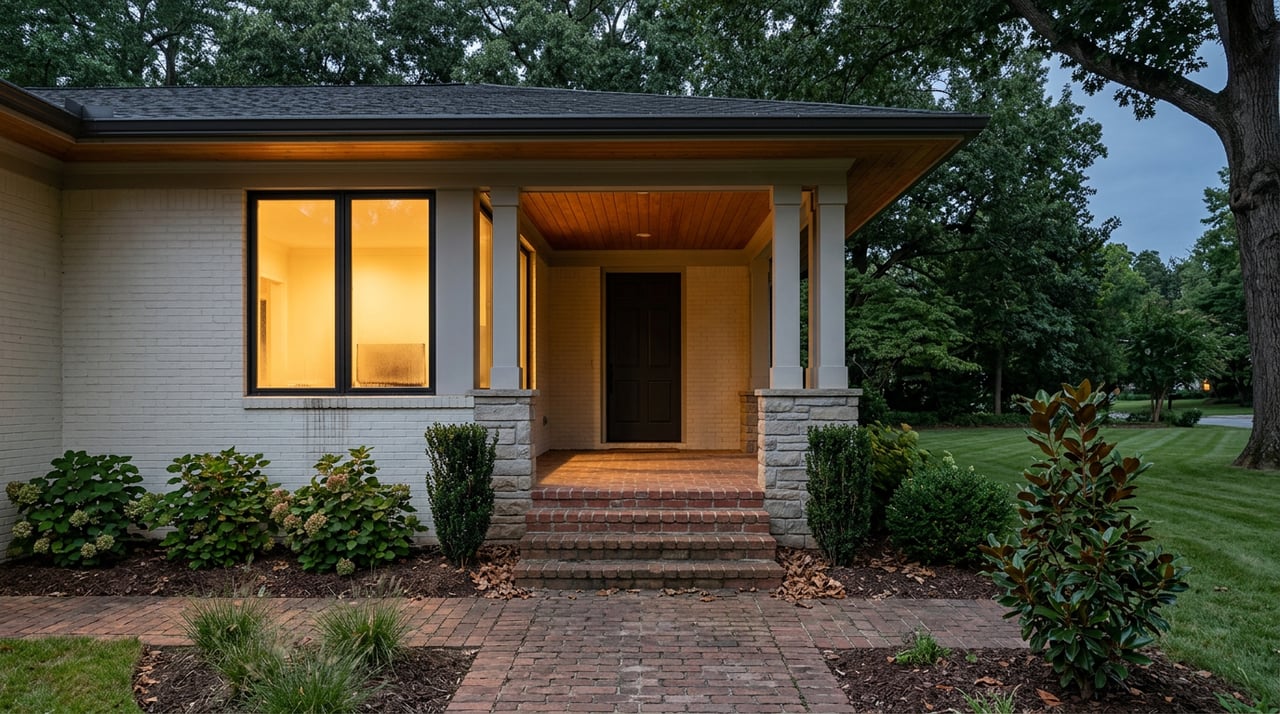
| ~$1.08M | Established homes built from the late 1970s onward, interior lots without direct water access, proximity to the club and golf course rather than frontage on either |
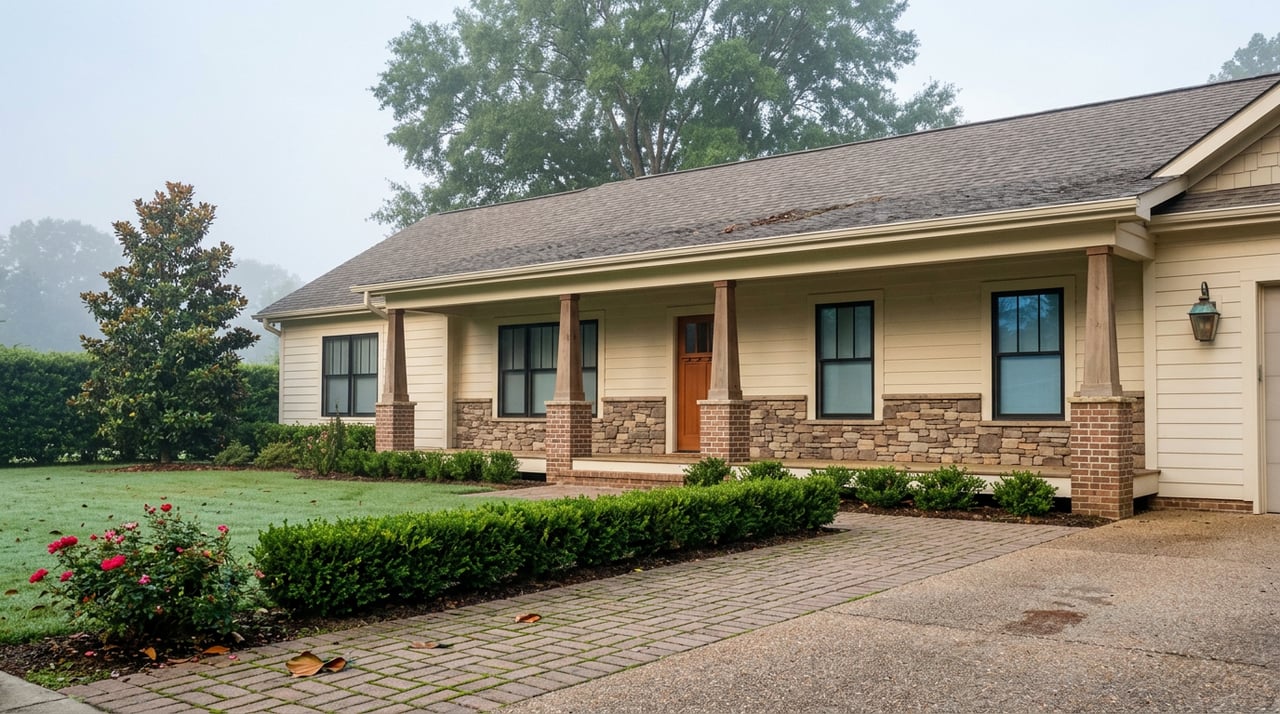
| ~$1.6M–$1.8M | Larger, updated homes, often closer to Club Drive or East Lake Drive, some with community dock or marina access through club membership |
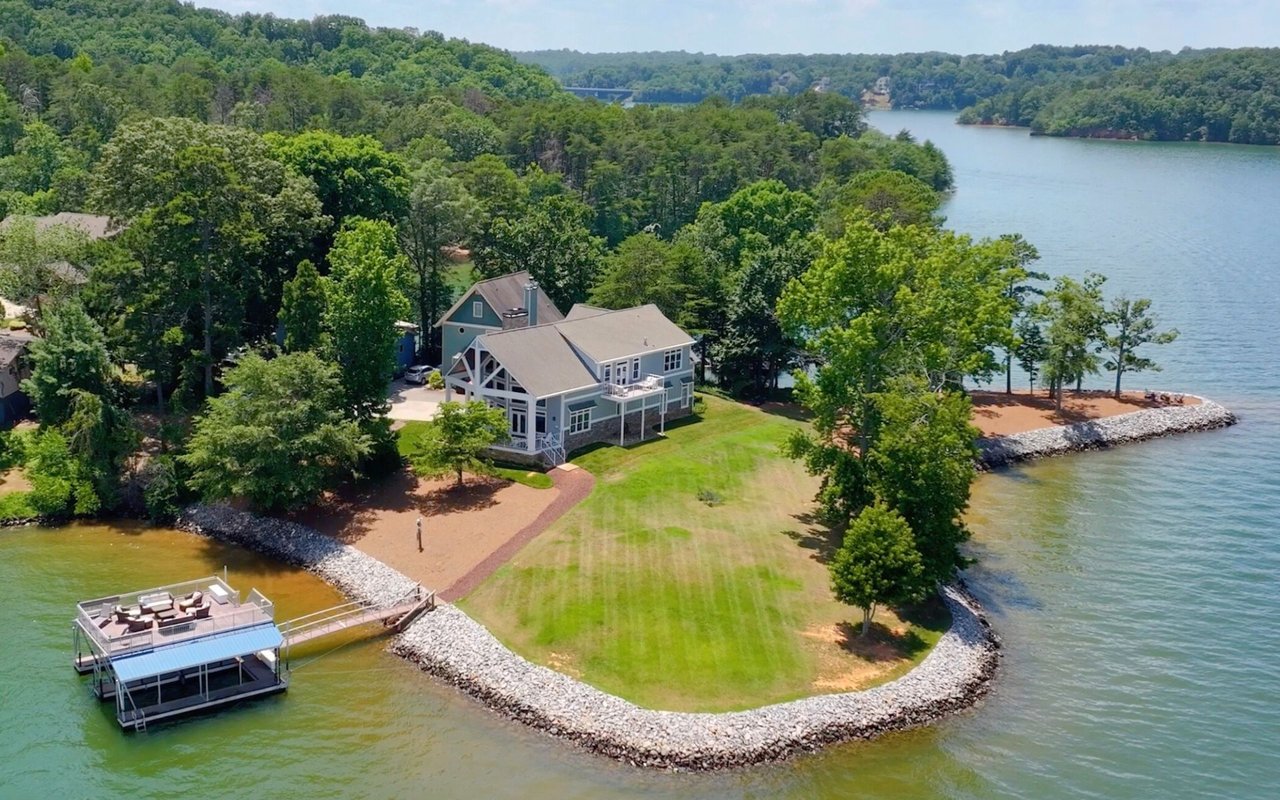
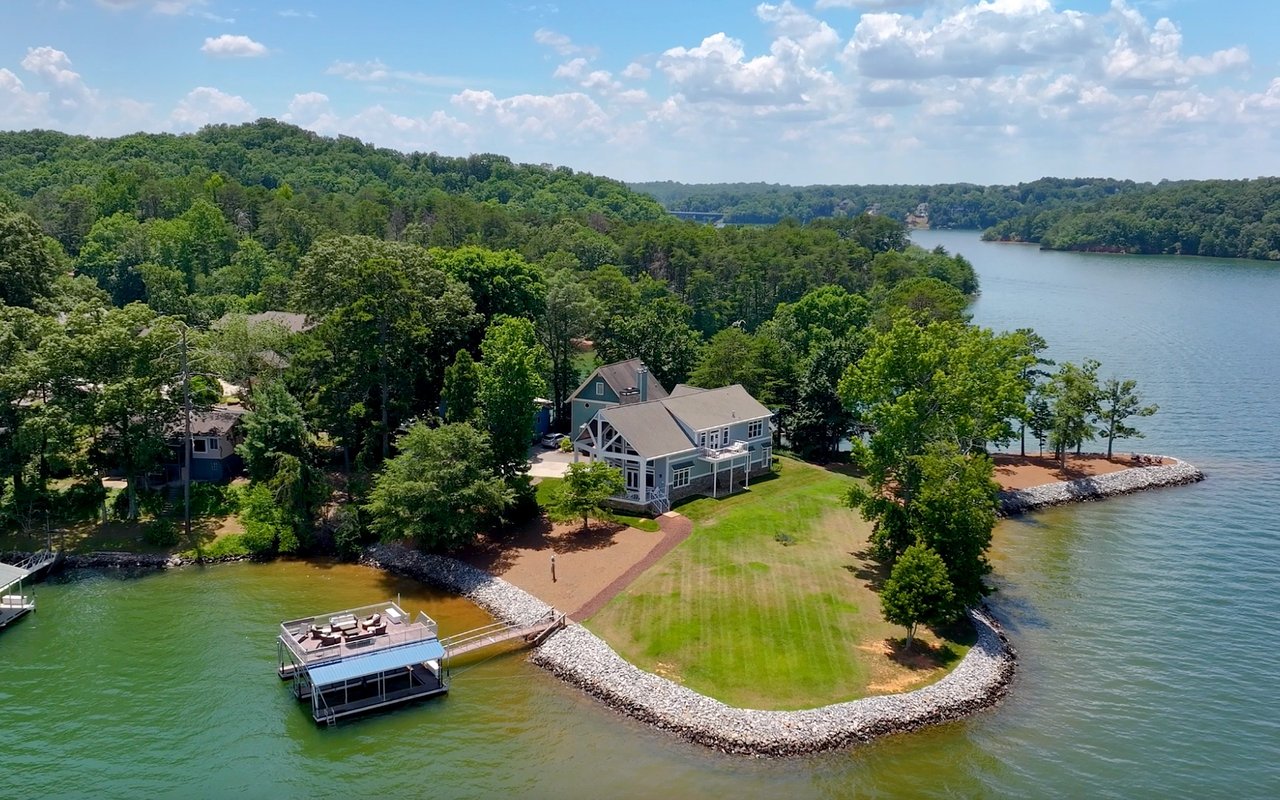
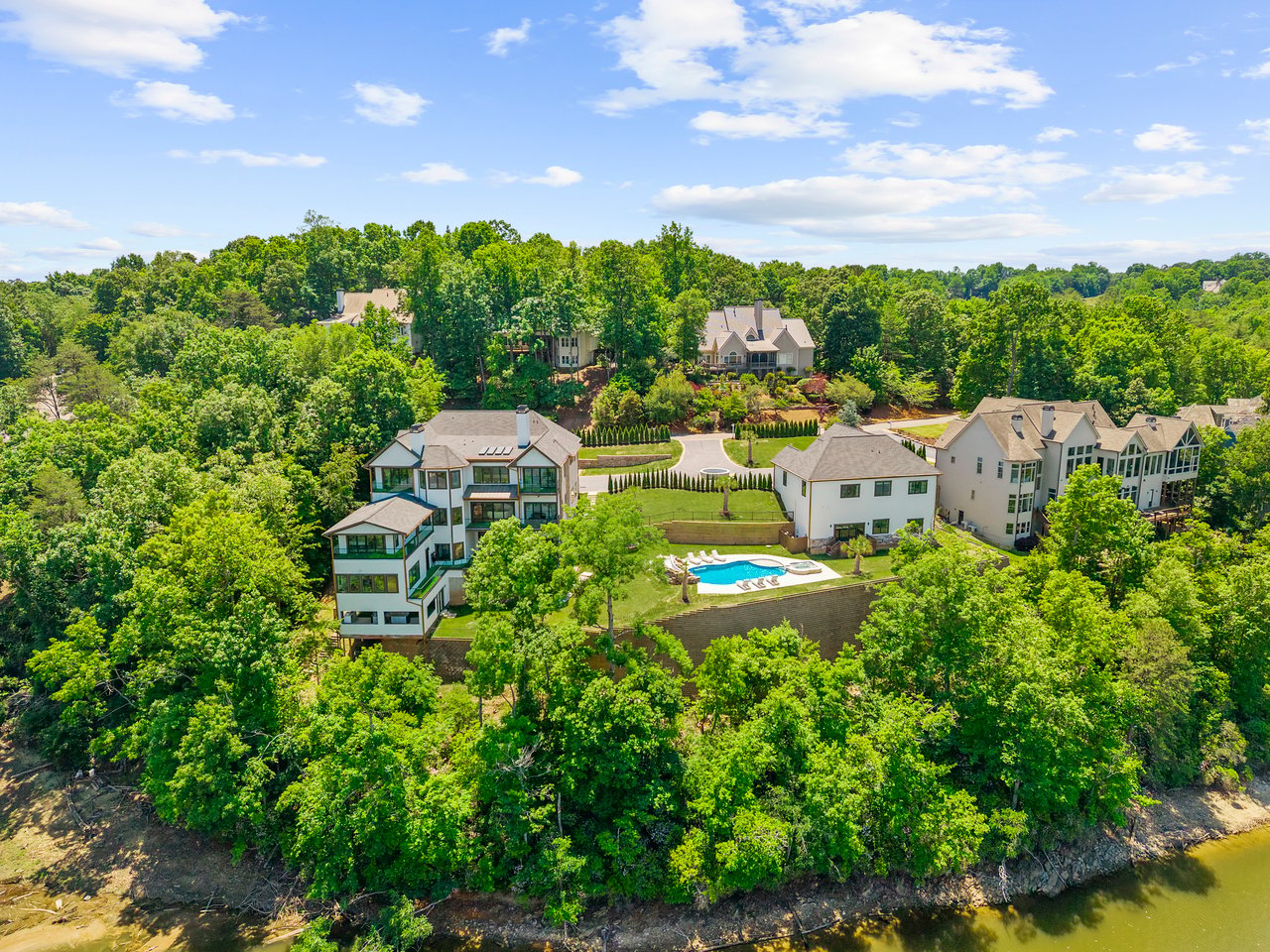
| ~$3.3M+ | Direct Lake Lanier frontage, private docks, larger square footage, and in at least one recent case, new construction built to current buyer preferences |
A recent 30-day stretch of closed sales put the median at $1,675,000, with a median price per square foot around $371. That number sits almost exactly between the neighborhood's entry point and its top tier, which tells you the market here isn't clustering around one type of buyer. Someone paying $1.08 million is buying the neighborhood's reputation, its club access, and its proximity to a golf course in the final stretch of a meaningful upgrade. Someone paying north of three million is buying the water itself, with the golf course and club as a bonus rather than the main draw.
Reading The Timing
A year ago, homes in this neighborhood were moving fast, with a median of just 5.5 days on market recorded in July 2025. That kind of pace usually means buyers already understood the value proposition well enough to act quickly once something came available. What's different this fall is that the value proposition itself is shifting. A course that was aging and increasingly busy is set to reopen freshly renovated right as the traditional fall lake-buying window opens. Buyers touring this fall will be among the first to see the finished course, rather than judging the neighborhood by months of closed fairways and construction fencing.
That's the kind of timing detail that doesn't show up in a listing sheet. It shows up when you've been watching this specific stretch of shoreline long enough to know what changed and why.
A Few Questions Worth Asking Before You Tour
Do I have to join the club to live in Chattahoochee Country Club? No. Club membership is separate from home ownership. Plenty of residents live in the neighborhood without a club membership, though most who want marina, pool, or tennis access join.
Is the golf course open to the public, or only to club members? It's a public, city-owned course. Club members play there under their partnership arrangement, but the course itself accepts public tee times.
If the club doesn't own the golf course, what does club membership actually get me? The marina and boat slips, the aquatic center, tennis and pickleball courts, the athletic center, and the clubhouse dining program. Golf privileges come as part of the arrangement, but the course itself stays under city management.
Buying into a neighborhood like this means understanding which amenities you're actually purchasing and which ones you're borrowing under a partnership you have no say in. That's the kind of distinction worth walking through with someone who's spent years reading these communities from the water, not just the listing sheet.
If you're weighing Chattahoochee Country Club against another stretch of Lake Lanier, Living on Lake Lanier can walk you through what each neighborhood's fine print actually means, dock permits, club structures, and all. Let's Connect.