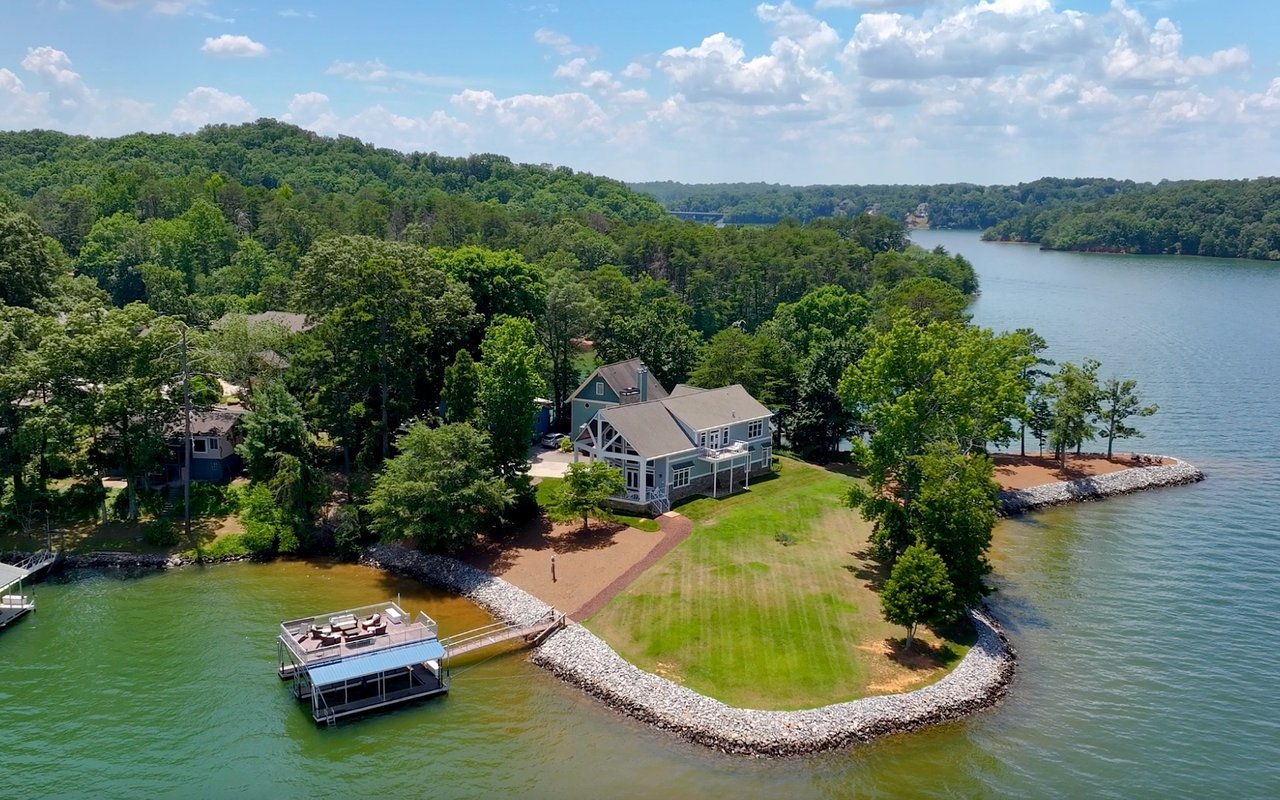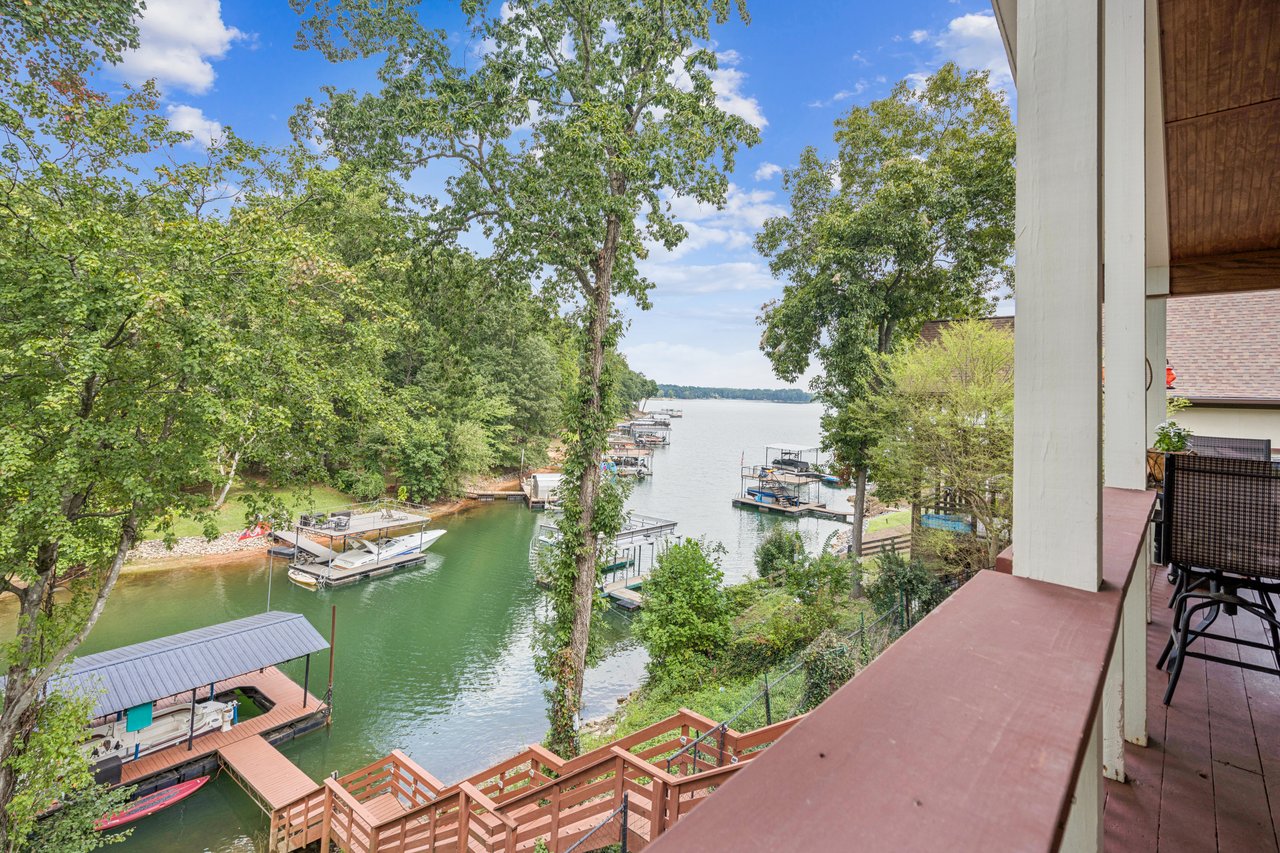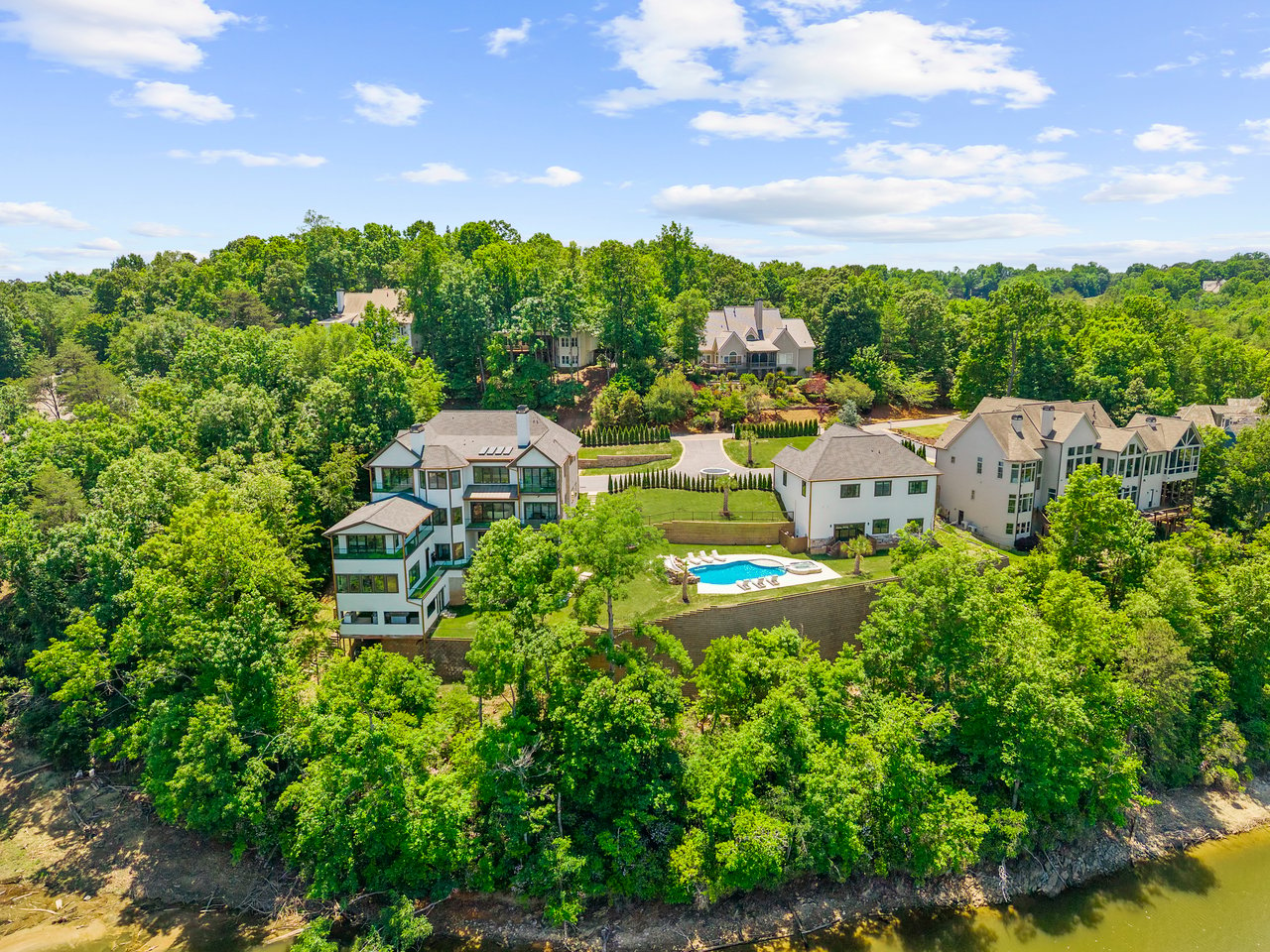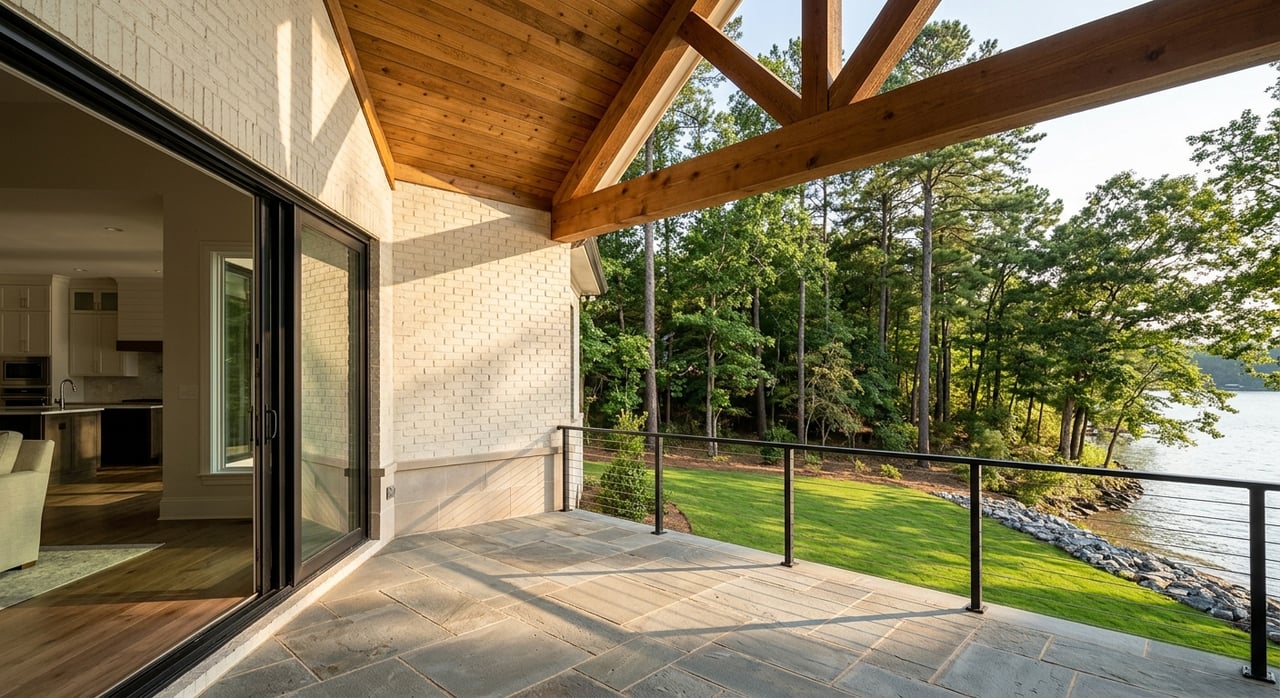
Hall County's 2026 property tax bills went in the mail on October 15, a month later than usual, and they are due December 15. If you are closing on a Gainesville lake home this fall, that late bill raises two questions. Which bills will this house actually get? And how much of the number on them will still apply once the deed is in your name?
Both answers depend on a line most buyers never see. A Gainesville mailing address covers lakefront coves in North Hall and blocks near the downtown square alike. City limits are what decide which governments tax the house, which school levy applies, and which homestead exemption rules are used to calculate the bill.
The Only County Increase Went to City Residents. It Mostly Washed Out.
On August 27, 2026, the Hall County Board of Commissioners approved a General Fund rate of 3.565 mills, up from 3.227. The legally required notice called that a 14.12% increase over the rollback rate. AccessNorthGA reported that the board cut several special district rates at the same meeting. That left unincorporated residents at 7.702 total county mills, down from 7.815, and most incorporated residents at 8.037, down from 8.115.
City of Gainesville residents were the one group whose county rate went up, from 3.798 to 4.100 mills. The reason is in Hall County's August 5 explanation. Gainesville residents pay only two county rates, General Fund and Emergency Services, so the special district cuts that offset the increase for everyone else never reached their bills. Part of the General Fund increase pays for court operations tied to Hall County's new sixth Superior Court judgeship.
Gainesville residents skip those districts because the city runs its own fire, police and parks departments and taxes for them separately. On August 18, the Gainesville City Council set its 2026 General Government rate at 0.722 mills, a full rollback from 0.740, and kept Fire Services at 1.299, Police Services at 0.712 and Parks and Recreation at 0.896.
Here are the 2026 county and city rates for each side of the line, before school taxes:
| 2026 rate, in mills | Unincorporated Hall | Inside Gainesville city limits |
|---|---|---|
| County General Fund | 3.565 | 3.565 |
| County Emergency Services | 0.535 | 0.535 |
| County fire, unincorporated district | 2.005 | n/a |
| County Development Services | 1.160 | n/a |
| County Parks & Leisure | 0.437 | n/a |
| County subtotal | 7.702 | 4.100 |
| City General Government | n/a | 0.722 |
| City Fire Services | n/a | 1.299 |
| City Police Services | n/a | 0.712 |
| City Parks and Recreation | n/a | 0.896 |
| County plus city, before schools | 7.702 | 7.729 |
That is a 0.027-mill gap. Hall County's tax office defines one mill as $1 of tax for every $1,000 of assessed value, so the gap works out to under three cents per $1,000. For general government services, the two sides of the city line paid almost exactly the same in 2026. What sets them apart is the next layer down.
The School Levy and the Exemption Rules Follow the Same Line
School taxes split at city limits too. Inside the city, the levy belongs to Gainesville City Schools, which kept its rate at 6.492 mills for 2026. City officials said holding that rate counts as a tax increase under state rules. Outside the city, the school levy is Hall County Schools'. In July, AccessNorthGA reported that the district had advertised a proposed rate of 15.490 mills, against a rollback rate of 14.484 and a prior rate of 14.990.
The two areas also handle homestead exemptions differently. Georgia's HB 581 created a statewide floating homestead exemption starting with the 2025 tax year and let local governments opt out. Here is how each taxing body around Gainesville decided:
- Hall County Government: opted out.
- City of Gainesville: opted out, with the opt-out received by the Georgia Secretary of State on February 13, 2025.
- Gainesville City Schools: opted out, received February 19, 2025.
- Hall County Schools: did not opt out.
In practice, that means none of the bodies taxing a home inside the city uses the statewide floating exemption. Outside the city, the school portion of the bill can be figured on a different base than the county portion. Hall County's homestead exemption FAQ says a home there may carry two different assessed values. The HB 581 value applies to school taxes only when it gives the owner more benefit than the local exemptions.
Those local exemptions, HB 1268 and HB 1270, limit increases in a home's assessed value to 3% a year. HB 581 limits them to the prior year's inflation rate. The county describes these as adjusted base-year exemptions, which slow increases without freezing the value.
The Seller's Capped Value Doesn't Transfer
This is the friction that matters most in a transaction. The Hall County FAQ states that these exemptions "do not stay with the property nor the property owner when a change in ownership occurs." When a home sells, its taxable value resets to fair market value for the new owner, and the seller can't carry the exemption to their next home either.
Say a long-time owner has held a lake house through several years of capped increases. Their tax history reflects a base value the next owner won't inherit. For a buyer comparing two Gainesville-address lake homes, the seller's last bill shows how that seller was taxed, not how the buyer will be. The useful comparison starts from the purchase price and goes through the levies of whichever side of the city line the house sits on. Every levying body applies its homestead exemptions after fair market value is set, and the county keeps separate sets of values when floating exemptions are in play.
Why a Fall Closing Feels the Late Bill
The county blamed the delay on "continuous conditions resulting from last year's legislation" and on digest software used outside its office. Bills normally go out September 15 and come due November 15. For anyone buying or selling in 2026, the Hall County Tax Commissioner's notice sets out this sequence:
- Whoever owned the property on January 1, 2026, is the owner of record responsible for the 2026 tax. Closing documents or the closing attorney determine who actually pays it.
- The county bill is due December 15, 2026. Homes inside Gainesville city limits also get a separate city bill from the City of Gainesville.
- Sellers who sold real property during 2026 must send their sales documents to the Tax Commissioner by March 15, 2027, which is 90 days after the due date. If the documents clearly transfer liability, the seller is no longer responsible for payment. Documents that arrive after that date can't be considered.
- Boats count as personal property, and for personal property the January 1, 2026, owner owes the tax even if the boat sold later in the year.
For a lake sale that includes a boat, item four means the house and the boat follow two different liability rules on the same tax year. If a property's value is under appeal, the December 15 bill is based on 85% of the 2026 value or 100% of the 2025 value, whichever produces the lower tax. Interest still accrues on unpaid amounts starting December 15.
Finding Which Side of the Line a House Is On
The ZIP code won't tell you, so ask the city or the county directly about a specific parcel. Services can also point you in the right direction. The City of Gainesville's FAQ says that for residential homes inside city limits, city water and sewer service automatically includes garbage and recycling, with no opt-out. The city's Department of Water Resources also bills sewer service outside its limits, so a city sewer bill alone doesn't prove a house is inside them.
This post is general information, not legal, tax or financial advice. Before you rely on any of it, confirm your own situation with the Hall County Tax Commissioner, the Hall County Tax Assessors and your closing attorney.
FAQ
Did my Gainesville taxes go up in 2026?
Inside city limits, the county rate went from 3.798 to 4.100 mills, and the city's General Government rate dropped to 0.722 under a full rollback. Your total depends on your assessed value and exemptions as well as rates.
Do I get the seller's homestead exemption when I buy?
No. Hall County's FAQ says the taxable value resets to fair market value for the next owner.
When is the 2026 Hall County bill due?
December 15, 2026. Payment options include E-Check at HallCountyTax.org and a 24/7 drive-up drop box at the Hall County Government Center, 2875 Browns Bridge Road.
When two lake homes both say "Gainesville" and the tax histories don't line up, the city line and the reset at sale usually account for the difference. If you're weighing a cove on each side of that line, Teresa Smith and the Living on Lake Lanier team can help you sort out which bills each house will actually get before you write an offer. Let's Connect.